The desk is empty most days. That is the first thing you notice when you walk into the office of the nation's chief physician. It is not because the occupant is missing. It is because the job does not fit in a room.
Imagine, for a moment, a clinic with three hundred and thirty million exam tables. The walls stretch from the shores of Maine to the quiet gravel roads of rural Oregon. The waiting room is loud. It smells of burnt coffee, cheap insulin, late-night shifts, and the silent, heavy panic of a mother staring at a pharmacy receipt she cannot afford.
Now, ask yourself who sits at the head of that room.
For generations, the answer was a doctor in a crisp white uniform, adorned with gold braid, speaking in measured, careful tones from behind a microphone. They told us about tobacco. They warned us about the flu. They handed down edicts from Washington like stone tablets from a mountain. We nodded. We changed the channel. Nothing changed.
Today, the white coat feels thin against the wind.
Let us be honest. Most of us go our entire lives without thinking about the Surgeon General. The title sounds like something from an old naval ledger, a relic of an era when the government worried more about scurvy on merchant ships than the quiet, steady hum of chronic despair echoing through American suburbs. When the office was first minted, the mandate was clear: quarantine the ports, stop the cholera, keep the workforce standing.
The ports are clear now. But the people are drowning.
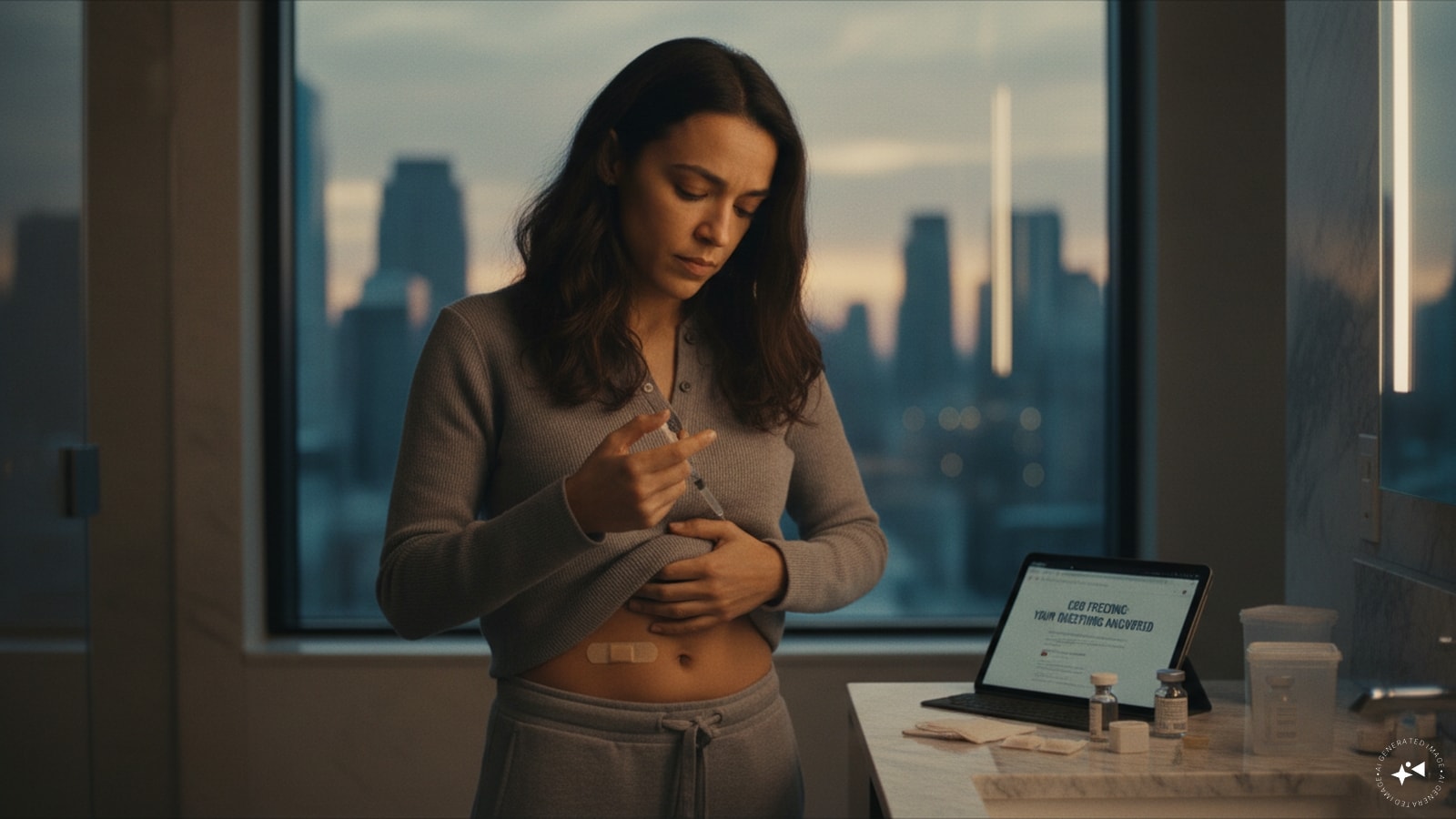
Consider what happens inside a suburban kitchen at two in the morning. The house is dark. A teenager sits at the kitchen table, the blue light of a smartphone illuminating a face hollowed out by sleeplessness and the endless, algorithmically fueled erosion of self-worth. Down the hall, parents lie awake, paralyzed by a dread they cannot name, terrified that tomorrow will bring the phone call no parent should ever receive.
Is that a medical emergency?
According to the old rules, no. A broken bone is a medical emergency. A heart attack is a medical emergency. But try telling that to an emergency room doctor in Ohio who spends every Saturday night stitching up the aftermath of despair. Try telling that to the school nurse in Texas rationing inhalers because the local budget dried up.
The crisis has shifted. The scalpel is no longer the primary tool of public survival. The environment is. The culture is. The quiet, invisible architecture of daily life is slowly making us sick.
This is where the unique burden of the Surgeon General comes into focus. It is an office with no budget to build hospitals, no power to write laws, and no army to enforce mandates. It is an office built entirely on the currency of persuasion. It relies on a single, fragile instrument: the voice.
Critics look at this institutional weakness and shake their heads. Why bother? Why maintain a federal office with a fancy uniform and a loud microphone if it cannot sign a prescription or build a single bed? Why pay for a doctor who has no patients?
Because the modern plague does not wear a badge.
Look at the statistics we have learned to live with. Loneliness now carries the physiological toll of smoking fifteen cigarettes a day. Digital exhaustion has rewired the developing brains of an entire generation, turning childhood into a high-stakes competitive sport fought through glass screens. Chronic illness drains billions, not because our doctors are incompetent, but because our lives are unsustainable.
We do not need another bureaucrat to tell us that exercise is good for us. We need someone who can stand in front of the machinery of modern life and demand an accounting.
When past holders of this office stepped outside the traditional boundaries of clinical medicine, they were often mocked. They were told to stay in their lane. When they warned about the mental health impacts of social media, skeptics rolled their eyes. When they declared loneliness a public health epidemic, pundits laughed it off as pop psychology.
They were wrong.
The lane has expanded because the illness has expanded. When a society is fracturing along lines of isolation, digital addiction, and despair, the healer cannot sit quietly in a laboratory waiting for patients to walk through the door. The healer must go out into the noise.
Think of the office not as a regulatory agency, but as the conscience of the nation in a stethoscope.
There was a time when the warning label on a pack of cigarettes felt radical. Tobacco companies fought it with armies of lawyers and mountains of cash. They claimed individual choice. They claimed personal freedom. But that small, stark black-and-white box changed the trajectory of human health in America. It did not force anyone to stop smoking. It simply made it impossible to pretend we did not know.
That is the true power of the post. It is the ability to drag what is hidden in the dark out into the harsh, undeniable light of day.
Right now, the darkness is crowded. It is filled with unregulated supplements sold by charismatic influencers on video apps. It is filled with misinformation that travels faster than any virus. It is filled with a pervasive, low-grade terror that the future is something happening to us, rather than something we are building.
In this landscape, a trusted, independent voice matters more than ever. Not because government officials have all the answers, but because they are uniquely positioned to ask the hard questions that corporate boardrooms and political campaigns would rather ignore.
Who speaks for the child staring at a screen until sunrise? Who speaks for the aging worker whose town died when the factory moved overseas, taking both the economy and the sense of community with it? Who connects the dots between economic desperation and rising rates of substance use?
If we abolish the office, or reduce it to a quiet medical advisory board that issues dry reports read by three people in a basement, we lose our national mirror. We lose the one place where health is understood not as a collection of lab results, but as the lived experience of an entire people.
America still needs a Surgeon General. But we need a different kind of one.
We need someone who understands that the health of a nation is written in the stability of its families, the depth of its communities, and the quiet spaces between heartbeats. We need a physician who is willing to look past the spreadsheets and see the human cost of our modern pace.
The desk may be empty today. The uniform may hang in a closet in Washington, dusted off only for official portraits and solemn hearings. But out here, in the noise and the rush and the quiet midnight hours, the work is waiting. The patient is restless. And the doctor is overdue.