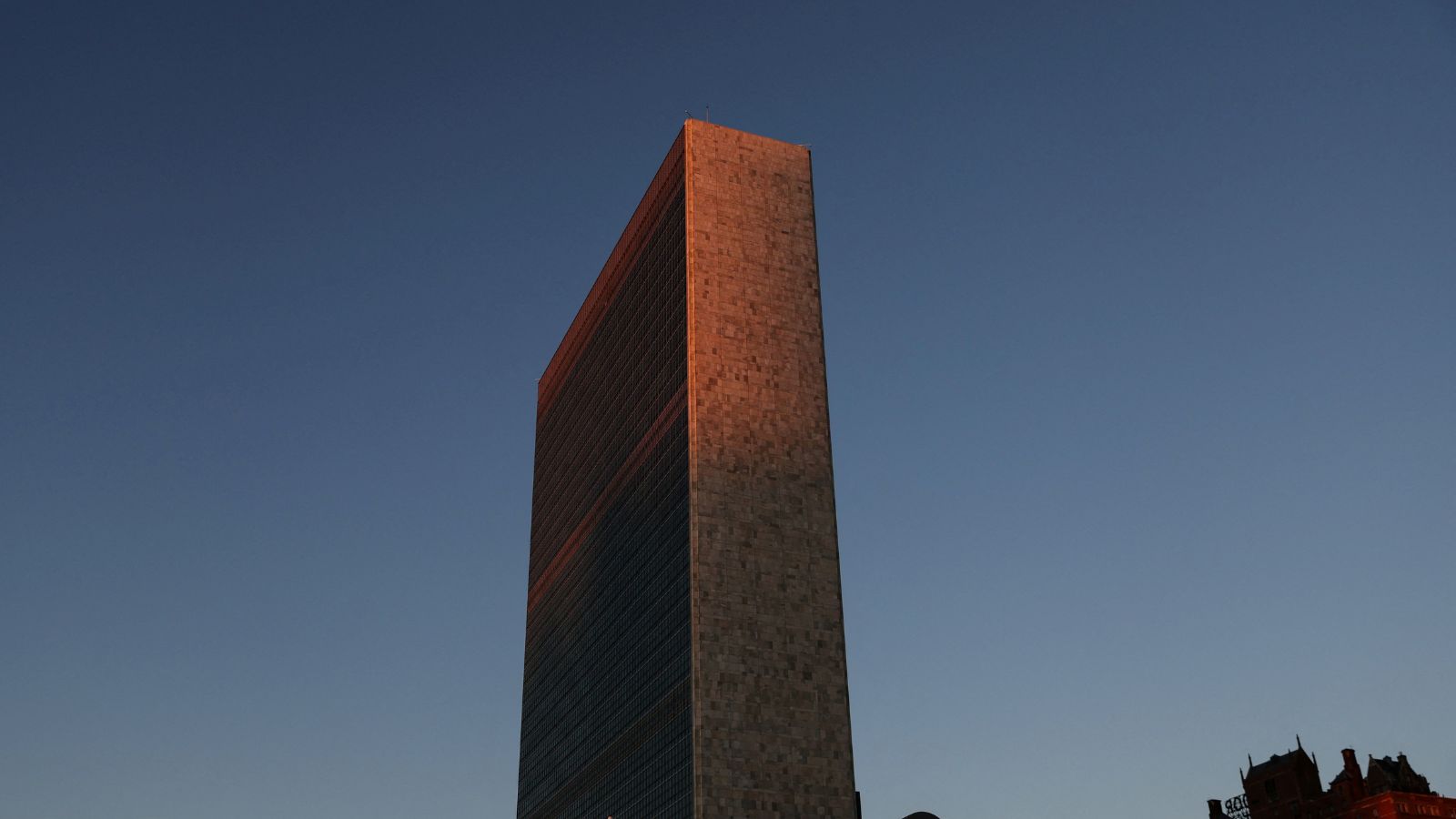
International law regarding the hosting of United Nations bodies imposes strict legal constraints that routinely override bilateral political animosities. When the United States administration approved entry visas for Iranian President Masoud Pezeshkian and Foreign Minister Abbas Araghchi to attend the United Nations General Assembly high-level week, the decision was governed by the 1947 UN Headquarters Agreement rather than diplomatic normalization. This treaty obligates the host government to facilitate access for official delegates, regardless of active geopolitical hostilities or military stalemates.
Deconstructing this administrative clearance requires analyzing the friction between sovereign security policies and multilateral treaty obligations. The United States maintains broad discretionary authority under domestic immigration statutes to deny entry to foreign nationals deemed security risks. However, applying these restrictions to heads of state and principal foreign ministers traveling for UN deliberations creates a legal paradox. A blanket denial would breach the headquarters agreement, undermining the institutional integrity of the international body and setting a disruptive precedent for global multilateral governance.
Simultaneously, host governments routinely calibrate their compliance to signal political displeasure without violating core treaty tenets. This is evidenced by concurrent selective visa restrictions targeting secondary personnel, such as administrative staff or specific communication teams attached to visiting delegations. By permitting principal leaders while constraining operational support layers, state departments execute a calculated diplomatic compromise. This dual-track approach satisfies legal obligations under international law while imposing logistical friction on the opposing regime.
The timing of these high-level visits during periods of intense regional conflict highlights the transactional nature of modern diplomacy. Delegations utilize the multilateral stage not merely for formal plenary addresses, but to conduct indirect signaling via intermediaries. The structural reality remains that international forums operate on a dual framework: the legal architecture mandates physical access for dialogue, while the participating states exploit that access to project strength, manage economic sanctions, and test diplomatic channels under the cover of global assembly.
Strategic engagement in this context relies on recognizing that protocol and hostility are not mutually exclusive. Host country compliance functions as a structural mechanism designed to keep communication channels open, even when bilateral friction reaches a threshold of active economic and military confrontation.