The screen glows in the dark. It is 2:14 AM.
For most people, this is the hour of restless tossing, of checking the phone one last time before sleep finally takes over. But for a specific subset of citizens, activists, and ordinary people who once typed a sharp critique into a comments section, this hour carries a different weight. A silent weight.
You post a comment. You express frustration over a deportation policy you read about in the morning paper. You use a hashtag. You think nothing of it. It evaporates into the ether of the internet, lost among millions of other angry, tired, passionate voices.
Except it does not evaporate.
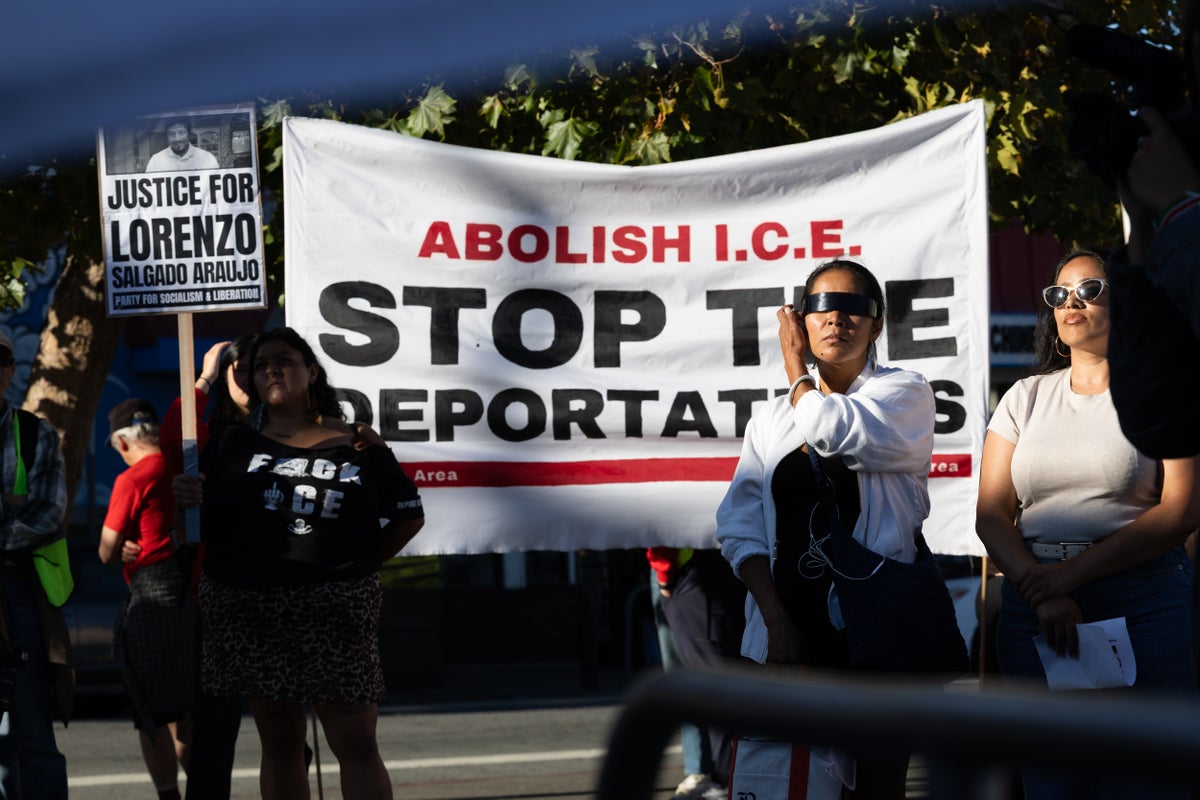
Investigations have revealed a quiet, persistent machinery running behind the scenes. Federal agencies, specifically Immigration and Customs Enforcement, are not just watching the grand debates of the public square. They are cataloging individual dissent. They are trawling through feeds, screenshots, and public profiles, mapping the digital footprints of people who dare to question them.
Let us be clear about what this means.
It means the casual tweet you sent out of annoyance after a long shift at work might outlive you in a government database. It means the boundary between public speech and state surveillance has blurred into nonexistence.
Consider a hypothetical case, grounded firmly in the mechanics of modern digital tracking. Imagine a local community organizer named Elena. Elena is not a criminal. She pays her taxes, helps run a neighborhood food pantry, and occasionally posts articles criticizing federal enforcement practices on her public social media page. To her followers, she is a familiar, passionate voice. To automated monitoring tools and the analysts operating them, Elena is a data point. A cluster of keywords. A sentiment score.
When federal monitors scroll through public feeds looking for critics, they are not reading like humans read. They are harvesting. Algorithms flag specific terms, geographical locations, and network connections. Elena's post about a local protest is scraped, tagged, and filed away.
Why does this matter? Because the chilling effect is immediate, pervasive, and entirely intentional.
When people realize the government is watching their digital commentary, they stop talking. They self-censor. The open internet slowly transforms into a digital panopticon where every keystroke feels monitored. This is not about national security in the traditional sense. This is about managing public relations through intimidation.
History shows us this pattern repeatedly. Whenever a state apparatus gains the capacity to monitor dissent at scale, it uses that capacity. Surveillance expands to fill the available airspace. What begins as a targeted effort to track threats gradually widens into a broad net that catches lawful speech, political opposition, and everyday citizens venting their frustrations.
The technical reality behind this is straightforward, yet opaque to most users. Social media companies design their platforms for public sharing. Public profiles are, by definition, open to the world. But there is a massive gulf between a neighbor reading your public tweet and a federal law enforcement agency building a dossier on your political beliefs based on that same tweet.
We have normalized this invasion of our digital lives because it happens invisibly. There is no knock on the door when your profile is scraped. There is no notification telling you that an analyst in a windowless office just screenshotted your thread about immigration reform. The danger lies precisely in this invisibility.
If you cannot see the watcher, you cannot change your behavior to protect yourself. You assume a baseline of privacy that no longer exists.
Think about the sheer volume of data we hand over every single day. Every location tag, every shared news story, every emotional outburst typed out on a smartphone keyboard becomes raw material for data brokers and state agencies alike. We are building our own digital cages, one status update at a time.
The consequences stretch far beyond individual discomfort. A healthy democracy requires friction. It requires citizens to look at power and say, You are wrong. It requires dissent without the lingering fear that exercising your constitutional right to free speech will land you on an internal watchlist.
When federal agencies pivot their resources toward monitoring online critics, they are sending a message. The message is simple: keep your head down.
We must ask ourselves what kind of society we are sliding into. Are we comfortable with a system where criticizing a government agency means risking scrutiny from that very same agency? Are we willing to trade the messy, beautiful chaos of free expression for the quiet obedience of a monitored populace?
The screen goes dark. The phone rests on the nightstand. But out there, in the hum of server racks and data centers, the scraping continues.