If you've ever sat in the soul-crushing crawl between Dubai and Sharjah at 7:30 AM, you know that "traffic chaos" isn't a headline—it's a lifestyle. The UAE just dropped a Dh6 billion solution that sounds big on paper, but it’s the details of the Fourth Federal Corridor that'll actually save your sanity. This isn't just about adding more asphalt to the desert. It’s a complete rethink of how the Northern Emirates plug into Dubai’s economic engine.
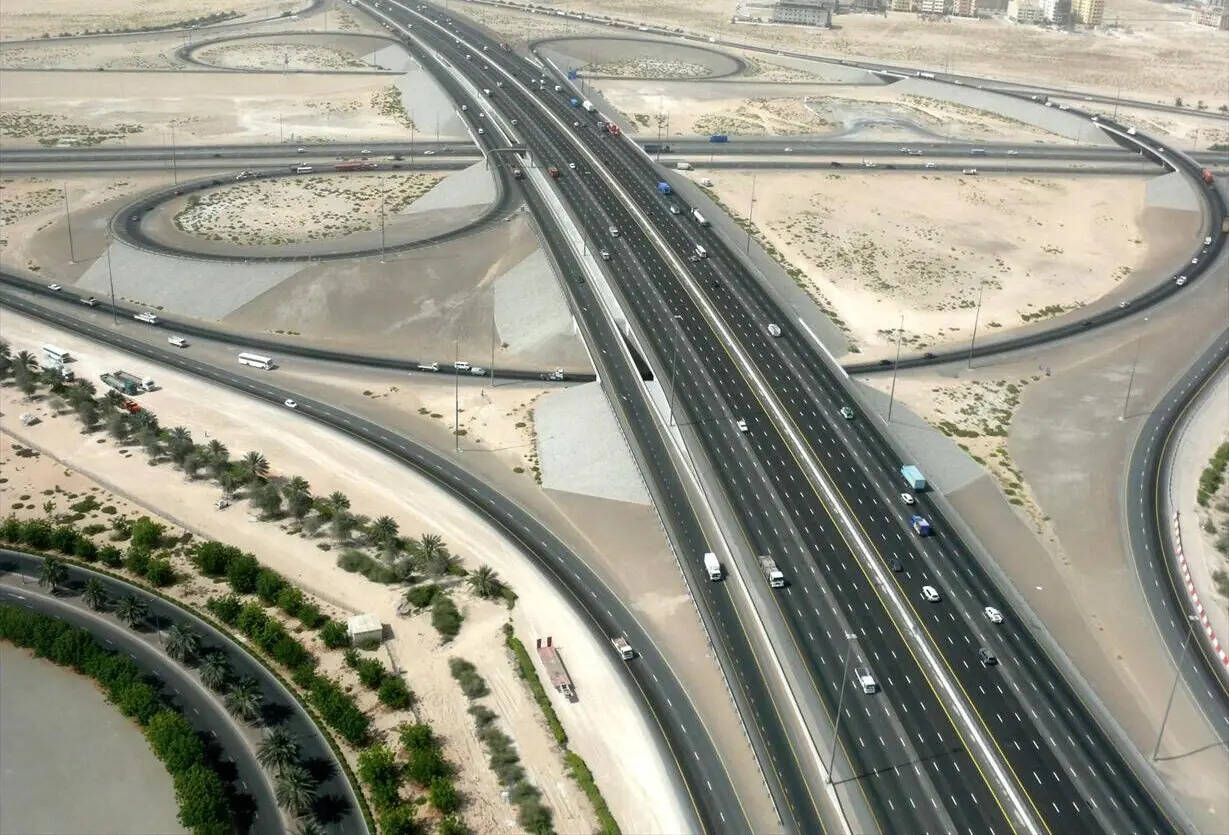
The core of the plan involves a massive 68km highway featuring six to eight lanes in each direction. Think about that for a second. We aren't talking about a minor widening project. This is a massive artery designed to sit alongside the E11 (Al Ittihad Road), E311 (Sheikh Mohammed bin Zayed Road), and E611 (Emirates Road). If you’re currently stuck on the E311 everyday, this is the relief valve you've been waiting for.
Breaking down the Fourth Federal Corridor
The UAE Infrastructure and Housing Council, led by Suhail Al Mazrouei, isn't just throwing money at the problem. They’re targeting the specific chokepoints that make the Dubai–Sharjah–Ajman trek a nightmare. Here’s what the Dh6 billion actually buys us:
- 68 kilometers of new road stretching across the critical inter-emirate borders.
- 10 major intersections designed to stop the "merging madness" that currently kills flow on the E11.
- Four massive flyovers to keep transit moving without the stop-start rhythm of traditional junctions.
- Capacity for 64,400 vehicles per hour, which is a staggering jump from current limits.
Most people think more lanes just mean more cars, but the real win here is the integration with Ajman. By linking Ajman directly to the third and fourth federal corridors, the plan pulls local traffic off the main highways sooner. It’s about getting people off the long-haul roads and into their neighborhoods faster.
The end of the "car only" mindset
Honestly, we can’t just build our way out of traffic with more lanes. The government knows this. That’s why a huge chunk of this strategy involves a 10-route Bus Rapid Transit (BRT) network.
If you've ever seen a BRT system in action, it’s basically a metro on wheels. These buses won’t be stuck in the same jam as your SUV. They get dedicated lanes and priority at lights. The plan links these 10 routes directly to existing Dubai Metro stations and city centers in Sharjah and Ajman. It makes the "park and ride" dream actually viable for someone living in Ajman but working in Business Bay.
The Council is even looking at federal policies to limit vehicle growth. In Dubai, car ownership is growing at 8%, while the global average is closer to 2%. That’s not sustainable. By creating a reliable mass transit link between the three emirates, the goal is to make the second car in your household unnecessary.
Why 2026 is the turning point
The timing isn't accidental. With Dubai’s population exploding and Sharjah expanding its residential footprint, the old roads are at a breaking point. We saw how climate change and heavy rains disrupted the network last year. This new plan specifically includes "climate resilience" upgrades. We're talking better drainage and road surfaces that don't turn into lakes during a flash storm.
It’s also about the economy. When goods are stuck in a truck on the E611 for three hours, costs go up for everyone. This corridor is as much about logistics and "supply chain resilience" as it is about your drive to work. Faster movement of goods means a more competitive UAE.
What you should do next
Don't just wait for the ribbon-cutting. If you're a commuter, start looking at the proposed BRT maps as they roll out. The integration with the Dubai Metro Blue Line and the existing RTA network will change which neighborhoods are "commutable." If you're looking to move, Ajman’s connectivity to these new corridors might make it a much more attractive (and affordable) option than it was two years ago.
Watch the progress on the 10 major intersections. Those are the spots where the most immediate relief will happen. This isn't a "maybe" project—the funding is there, the Council is meeting, and the 68km stretch is the new priority for federal infrastructure. The days of the two-hour Sharjah-to-Dubai crawl are officially on the clock.