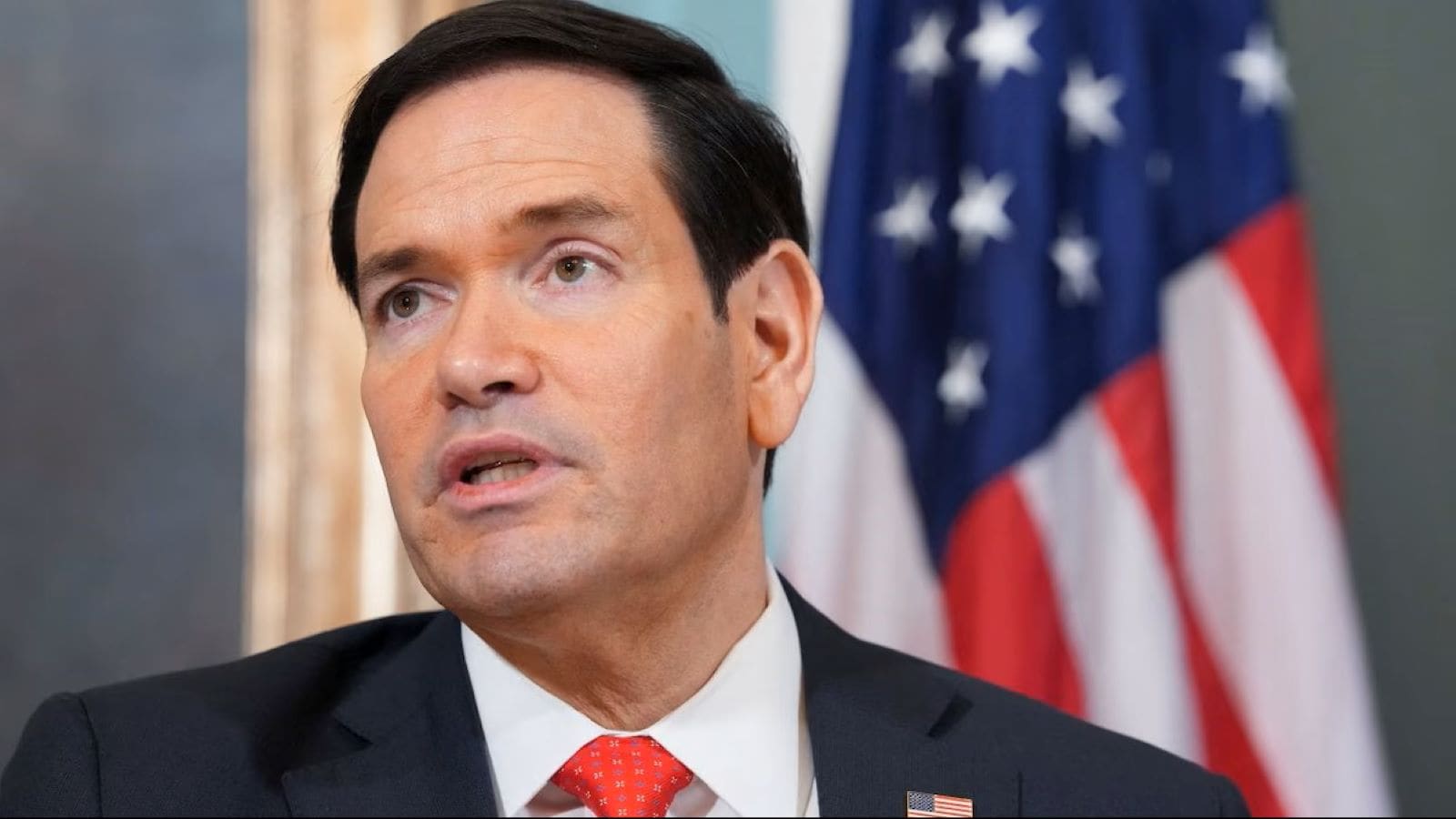
Every election cycle, politicians perform the exact same ritual in downtown Detroit. They put on tailored suits, walk into a room of C-suite executives, and deliver pitch decks packed with corporate tax credits, streamlined regulations, and promises of "economic growth." The press dutifully records the event, frame-by-frame, writing about candidate vision and business community enthusiasm.
It is pure political theater. And worse, it rests on a fundamentally flawed premise.
While Senate candidates line up to promise tax breaks and red-tape cuts to legacy automakers and enterprise giants, they are optimizing for an economic model that died a decade ago. Watching political figures court traditional business leaders in Detroit reveals a massive disconnect: candidates think they are pitching the engine of Michigan's future, but they are actually begging for permission from its past.
The Corporate Tax Subsidies Fallacy
The standard political consensus assumes that businesses choose locations based primarily on tax rates and state subsidies. Candidates from both sides of the aisle play into this, competing over who can promise the most aggressive incentive packages.
They are selling snake oil.
Decades of regional economic data confirm what actual builders already know: targeted corporate tax incentives rarely drive sustainable growth. When a state hands out hundreds of millions in tax abatements to lure a mega-factory, it creates a fragile, top-heavy arrangement. The moment a higher bidder appears or market conditions shift, those promises evaporate.
I have watched state economic development boards burn massive capital chasing anchor tenants, only to watch those same corporations lay off thousands three years later when global demand shifts. The return on investment for the average worker is dismal.
Real corporate location decisions are driven by three things:
- Access to specialized, high-density talent pools.
- Infrastructure reliability (power grid capacity, modern transit, digital connectivity).
- Quality of life metrics that keep skilled workers from moving to Austin, Raleigh, or Chicago.
When candidates spend their entire Detroit floor time promising tax carve-outs to established legacy enterprises, they signal that Michigan's strategy is defensive. They are fighting to retain dying industrial footholds rather than building an environment where new industries seed themselves natively.
The Legacy Trap: Why Executive Rooms Miss the Real Growth Engine
Detroit business forums usually gather leadership from automotive legacy firms, regional banking institutions, and massive real estate groups. Candidates treat these leaders as proxies for "the business community."
That is mistake number two.
Legacy executives do not represent the growth frontier of Michigan; they represent capital preservation. Their primary incentive is to protect existing market share, minimize compliance costs, and manage slow-downward or plateauing trajectories. When they ask candidates for policy favors, they ask for protections that favor incumbents over challengers.
Imagine a state economy designed entirely around the demands of 1995's dominant employers. You get rigid zoning laws, energy policy tailored to heavy industrial plants rather than modern data centers or high-tech labs, and educational pipelines designed to spit out middle managers for corporate structures that are rapidly automating.
By letting legacy enterprise leaders set the agenda during Senate pitches, candidates ignore the messy, high-growth mid-market. They ignore the founders building robotics startups in Ann Arbor, the logistics innovators restructuring supply chains across Grand Rapids, and the software engineers leaving traditional auto OEMs to build independent platforms.
If a candidate wants to talk about real economic policy, they should not be asking a room of Fortune 500 board members what they need. They should be asking the Series A founders what is driving them out of the state.
The Talent Reality Nobody Wants to Discuss
Candidates love to talk about jobs. "I will bring 50,000 jobs to Michigan."
This metric is completely broken.
The battle for economic dominance is not about the raw volume of low-wage assembly or routine administrative jobs. It is about talent density. High-value knowledge workers create multiplier effects; low-wage transactional jobs do not. Every software architect, advanced automation engineer, or biotech researcher brought to a state generates auxiliary local jobs in services, retail, housing, and entertainment.
Yet, candidates continue pitching Detroit business leaders on policy packages that ignore the core talent bottleneck.
Michigan does not have a "lack of business pitch" problem. Michigan has a talent retention crisis. The state spends millions educating top-tier engineering, computer science, and business talent at public universities like the University of Michigan and Michigan State, only to export that talent to the coasts the day after graduation.
Why? Because the state's economic narrative remains tied to legacy corporate structures. Young, elite talent does not want to work within 40-year-old corporate bureaucracies where advancement is dictated by tenure. They move to ecosystems where capital moves fast, risk is rewarded, and failure is not treated as a career-ending stigma.
A serious Senate candidate would stop pitching corporate incentives and start addressing the systemic reasons skilled grads pack their bags:
- Backward regional transit networks that leave Detroit isolated from neighboring tech corridors.
- An energy grid that experiences frequent outages compared to national benchmarks.
- A regulatory framework that makes starting a nimble, non-traditional business an exercise in bureaucratic fatigue.
Until those structural bottlenecks are dismantled, no tax credit pitch in downtown Detroit will change the state's long-term trajectory.
The Hard Truth About Regulation vs. Infrastructure
The debate between candidates usually devolves into a predictable ideological split: one candidate demands more regulation and higher corporate contributions; the other demands total deregulation and sweeping tax cuts.
Both arguments miss the point entirely.
Businesses do not flee states because of reasonable regulations or moderate tax rates. They flee unpredictability and crumbling fundamentals.
A company can budget for a 6% corporate tax rate. It can budget for strict environmental compliance protocols. What it cannot budget for is a regional power grid that collapses during summer heatwaves, a logistics highway network riddled with structural deficiencies, or a local talent pool that lacks fundamental technical skills because primary education metrics are tanking.
The corporate executives nodding along at Detroit candidate forums know this, even if they pretend otherwise. They accept the tax-cut rhetoric because it improves short-term quarterly margins, but when it comes time to make 20-year capital investments, they build where the infrastructure is unshakeable and the talent pool is deep.
Promising "less regulation" without fixing the baseline physical and technical infrastructure is like painting over structural rot. It looks good for the press photo, but the building will still collapse.
What a Real Economic Agenda Looks Like
If a candidate actually wanted to disrupt Michigan's economic trajectory rather than play to the room, they would walk into Detroit and deliver a message that makes half the legacy CEOs uncomfortable.
The blueprint for actual economic modernization is straightforward, brutal, and completely at odds with standard campaign soundbites:
1. Shift from Corporate Welfare to Infrastructure Dominance
Redirect the billions allocated for state-level corporate attraction subsidies toward modernizing grid infrastructure, building high-speed regional transit, and deploying state-of-the-art digital connectivity. Give companies unshakeable reliability instead of a temporary tax break.
2. Protect the Challengers, Not the Incumbents
Streamline licensing, occupational regulations, and local zoning laws that protect legacy businesses from new competition. Make it ridiculously easy to launch a business in Michigan, even if it threatens an established local player.
3. Build a High-Density Talent Magnet
Focus state education spending exclusively on STEM capabilities, advanced trade certifications, and technical entrepreneurship. Pair this with aggressive incentives for young technical graduates to remain in-state for at least five years after graduation, such as state tax offsets against student loan debt.
4. Overhaul the Capital Ecosystem
Michigan does not lack ideas; it lacks local growth-stage capital. Instead of subsidizing global corporations to build outposts, create state-backed matching funds for regional venture capital firms that invest in local, high-growth startups.
This strategy has clear downsides. It will not yield immediate headline-grabbing photo ops with mega-corp executives during an election cycle. It requires playing a long game—building structural strength over six to ten years rather than buying a short-term headline today.
Governments hate long games. Voters are trained to demand immediate results. But continuing the current playbook guarantees one thing: Michigan will keep sitting in Detroit conference rooms, listening to candidates pitch the same expired economic strategies, wondering why the state's best talent keeps leaving on the first flight out.
Stop courting the stewards of yesterday's industrial machine. Start building an environment that makes their successors obsolete.