The wine industry is facing a demographic reckoning, and the panic in the boardroom is palpable. For decades, vintners relied on a simple formula: wait for consumers to turn 30, watch their disposable income grow, and let them graduate from cheap beer to Chardonnay. That conveyor belt has completely broken down.
Younger legal-drinking-age consumers, specifically Gen Z and younger Millennials, are not turning to wine as they age. Instead, they are choosing spirits, ready-to-drink canned cocktails, or completely opting out of alcohol in favor of cannabis and functional beverages.
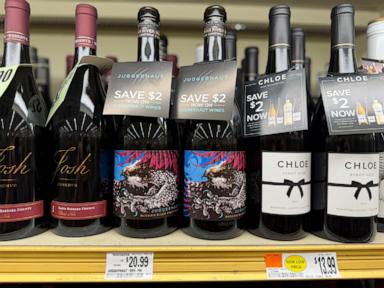
In a frantic bid to reverse this slide, wine marketers are abandoning the traditional vocabulary of terroir, heritage, and oak aging. They are throwing millions of dollars at bizarre, loud pop-culture partnerships. Winemakers are plastering their labels with television network logos, sponsoring stock car racing, and positioning their products alongside shark-themed summer programming.
It is a massive gamble. It also smells of desperation.
The Chasm in the Cellar
To understand why a historic winery would suddenly align itself with a week of televised marine predation, you have to look at the cold numbers tracking global consumption. The Silicon Valley Bank State of the Wine Industry Report has repeatedly warned that consumers over sixty are the only segment consistently growing their wine spending. The under-thirty-five crowd is flatlining or retreating.
The core issue is cultural alienation. To a twenty-two-year-old raised on the transparency of craft beer and the instant gratification of hard seltzers, the traditional wine aisle is actively hostile. It requires a code book to navigate. If you do not know the difference between a Pinot Grigio and a Sauvignon Blanc, or what a specific French sub-appellation implies, the fear of making an expensive mistake triggers choice paralysis.
So, the industry is trying to bypass the education phase entirely. By wrapping a bottle of wine in the familiar, comforting branding of a beloved television property or a high-octane sporting event, marketers are trying to create an emotional shortcut. They want the consumer to think that if they love the lifestyle brand, they will love the liquid inside the bottle.
This approach overlooks a fundamental psychological truth. You can change the wrapper, but you cannot easily change the flavor profile of a liquid that many young palates find bitter, overly dry, or aggressively acidic compared to a sugar-forward canned margarita.
The Mechanics of the Crossover Campaign
How do these partnerships actually function behind the scenes? They are rarely driven by a passionate winemaker discovering a shared synergy with a racing pit crew. They are cold, data-driven licensing agreements orchestrated by corporate conglomerates.
A major wine brand pays a significant upfront licensing fee, plus a royalty percentage on every bottle sold, to a media property or sports league. In return, they get the rights to use logos, specific color schemes, and likenesses on their packaging and point-of-sale displays. The goal is simple: secure floor space at major grocery chains.
Supermarkets are the true battlefield for these campaigns. A standard bottle of estate-grown Merlot blends into a wall of glass. A massive cardboard display featuring a stock car or a great white shark at the end of the aisle demands attention. It catches the eye of a shopper who is rushing to grab supplies for a viewing party.
The Short Term Sugar High
These campaigns do achieve a specific type of success. They drive immediate, impulse-driven trial.
- A consumer sees a bottle tied to their favorite hobby.
- They buy it once as a novelty or a joke gift.
- The brand sees a temporary spike in volume during the quarter the campaign runs.
The financial hangover arrives when the campaign ends. Once the television event is over or the racing season concludes, the display comes down. The consumer has no inherent loyalty to the wine brand itself, only to the licensed property. When they return to the store the following month, they do not seek out the base vintage of that wine; they look for the next shiny object.
The Premiumization Trap
While wine brands are chasing volume through mass-market culture tie-ins, they are running headfirst into a macroeconomic contradiction. For the past decade, the prevailing wisdom in the wine executive suites has been premiumization—the strategy of convincing consumers to buy fewer, but more expensive, bottles of wine.
This strategy worked brilliantly with older Millennials and Gen X, who were willing to pay thirty dollars for a bottle that felt like an affordable luxury. Gen Z is not playing along. They are entering an economy defined by high housing costs, sticky inflation, and student debt. They are fiercely price-sensitive when it comes to standard consumer goods, yet highly experimental when they do decide to splurge.
When a brand takes a generic, ten-dollar California blend, slaps a pop-culture logo on it, and prices it at fifteen dollars to cover the licensing fees, the target audience notices. They are highly attuned to corporate cynicism. If the liquid inside the bottle does not justify the price tag, the internet will dismantle the product in real-time on social media platforms.
Alternative Realities
Consider a hypothetical scenario where an independent, mid-sized winery decides to skip the massive corporate licensing fees altogether. Instead of spending fifty thousand dollars to put a media logo on their label, they reinvest that capital into developing a high-quality, naturally lower-alcohol sparkling wine packaged in infinitely recyclable aluminum cans.
They price it competitively with premium craft beer and focus their marketing entirely on local, community-driven events rather than national television broadcasts.
This hypothetical brand is building a slow, sustainable foundation. They are meeting the younger consumer where they actually live: outdoors, at casual gatherings, and in casual dining environments where glass bottles are impractical. They are not asking the consumer to sit at a white tablecloth and swirl a glass. They are offering refreshment without pretension.
The Generational Shift in Moderation
The biggest blind spot in the current wine marketing playbook is the explosive rise of the sober-curious movement and the normalization of moderation. Younger cohorts are consuming significantly less alcohol overall than any generation before them.
This is not a temporary health fad. It is a permanent shift driven by a heightened awareness of mental health, physical wellness, and the omnipresence of smartphone cameras. Young people are hyper-aware of their public image; getting visibly drunk on a high-alcohol beverage like a fourteen-percent Cabernet Sauvignon does not fit the modern aesthetic.
Spirits and beer brands have responded to this trend by pouring massive resources into zero-proof alternatives and low-calorie formulations. The wine industry has lagged behind. De-alcoholized wine historically tasted like spoiled grape juice because the process of removing alcohol often strips the liquid of its body and aroma.
While technical improvements are slowly happening in the non-alcoholic wine space, the major players are still focusing their energy on selling traditional, high-alcohol wines through gimmicky packaging. They are trying to solve a fundamental product-relevance problem with advertising tricks.
The Transparency Deficit
If you look at a can of hard seltzer, you will find a clear ingredient list, a calorie count, and a distinct sugar tally. If you look at a bottle of wine, you will find a government warning, an alcohol-by-volume percentage, and a vague story about rolling hills and family tradition.
The modern consumer demands radical transparency. They want to know what they are putting into their bodies. The wine industry has fought against mandatory ingredient labeling for decades, hiding behind the historical exemption of agricultural products.
This lack of information breeds suspicion among younger shoppers. They assume that if a brand is hiding its ingredients, it must be packed with chemical additives, mega-purple color corrections, and massive doses of residual sugar. A cartoon shark on the label does nothing to alleviate that suspicion; it intensifies it.
Surviving the Shakeout
The current wave of playful cultural tie-ins will not save the wine industry from its structural decline. These campaigns are the marketing equivalent of a sugar rush: a burst of energy followed by an inevitable crash.
To survive the next quarter-century, winemakers must stop treating younger consumers like a monolithic puzzle to be solved with pop-culture references. They need to simplify their portfolios, embrace alternative packaging like cans and boxes that fit a casual lifestyle, and provide the clear, honest ingredient information that modern buyers expect.
The wineries that double down on exclusivity, elitism, and disguised mass-market liquid wrapped in trendy capes will find their inventory gathering dust. The future belongs to brands that accept that the old rules are dead, the pedestal has been smashed, and wine is no longer a status symbol. It is just a drink.