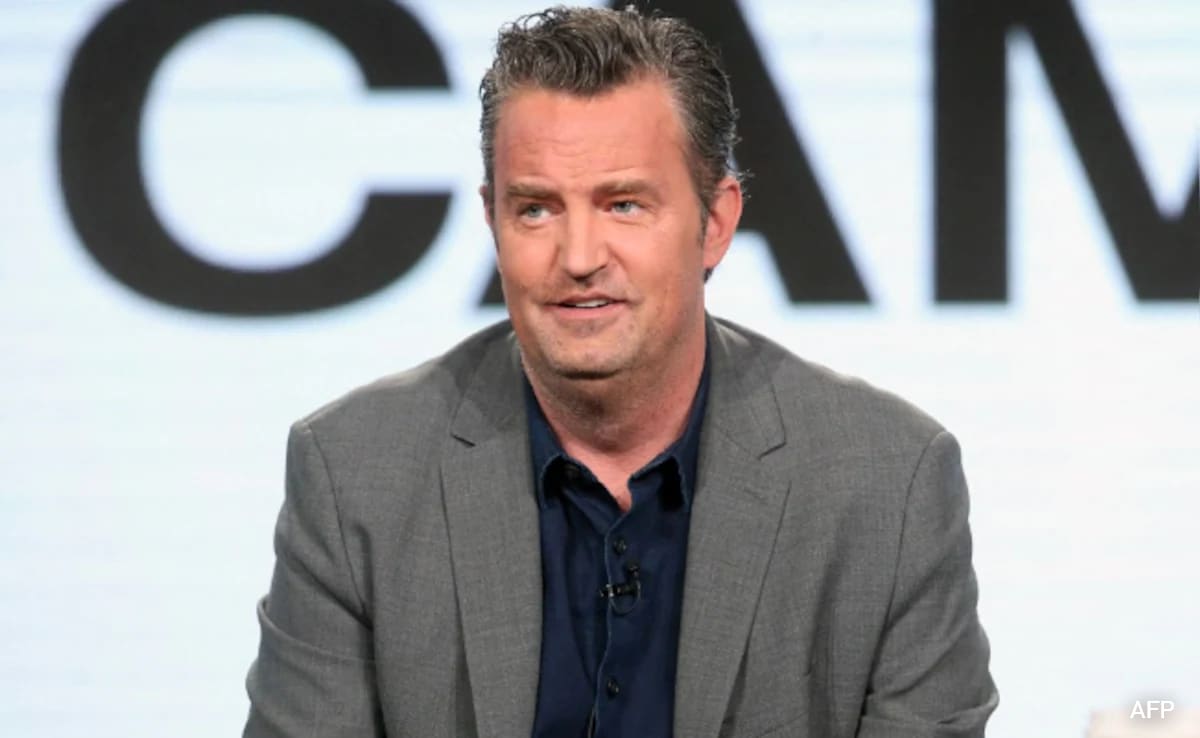
Barry Manilow is refusing to fade away, defying both time and a quiet, harrowing battle with cancer that he kept hidden from the public for years. While standard celebrity health reporting often treats a cancer diagnosis as a sentimental melodrama, the reality of Manilow’s survival reveals a much grittier story of professional obsession, extreme physical discipline, and the brutal demands of a lifelong career in show business. At 82 years old, the legendary showman is not merely surviving. He is actively performing, rewriting the script on how aging pop icons manage catastrophic health crises while maintaining grueling touring schedules.
The broader entertainment industry routinely sanitizes the health struggles of its legacy acts. When a star gets sick, the public relations machine usually offers a carefully manicured statement, followed by a triumphant, staged return.
But behind the velvet curtains, the mechanics of performing through a serious illness tell a far more complex story about the intersection of human frailty, immense financial pressure, and the sheer will to retain relevance.
The Hidden Cost of the Show Going On
In the high-stakes world of arena touring, a canceled show triggers a massive financial domino effect. Insurance policies cover some losses, but the reputational damage and the loss of momentum can permanently derail a legacy artist's late-career run.
For decades, Manilow built his reputation on flawless vocal delivery and high-energy showmanship. When health crises strike, the temptation for an aging artist to quietly retire is immense.
Manilow chose a different path. His private health struggles, particularly his secret fight with prostate cancer, were kept under wraps not out of shame, but out of a calculated necessity to keep the focus entirely on his music.
The physical toll of prostate cancer treatment—ranging from surgery to radiation—can severely impact a singer's core strength. The diaphragm and pelvic floor muscles are vital for vocal projection.
To sing at Manilow’s level requires the physical conditioning of an athlete. For an octogenarian recovering from cancer, hitting those sustained high notes in "Mandy" or "Copacabana" is an immense physical feat.
He managed this by restructuring his daily routine around rigorous physical therapy and vocal preservation techniques. It was a calculated gamble that paid off, allowing him to return to the stage without the public ever realizing he was operating at a fraction of his normal physical capacity.
The Evolution of Celebrity Medical Privacy
The decision to hide or reveal a terminal or serious illness has shifted dramatically over the last few decades. In the past, stars went to extraordinary lengths to conceal any sign of weakness, fearing that a diagnosis would render them uninsurable and effectively end their careers.
Today, transparency is often weaponized as a branding tool, with stars documenting their hospital stays on social media to build authenticity with fans.
Manilow’s approach reflects an older, more disciplined school of thought. By keeping his diagnosis private during the thick of the battle, he protected his brand from the patronizing pity that often infects the later years of a legendary musician's career.
He wanted audiences to buy tickets to see a world-class entertainer, not a cancer survivor. This distinction matters because it changes the energy of the performance.
When an audience looks at a performer with sympathy, the electric tension of a live concert evaporates. Manilow fiercely guarded that tension.
The Mechanics of Vocal Longevity After a Crisis
How does a singer in his ninth decade maintain his range after enduring aggressive medical treatments? The secret lies in a highly technical approach to vocal mechanics and lifestyle management.
- Vocal Cord Hydration: Medical treatments can dry out mucous membranes, making the vocal folds susceptible to tearing. Professional singers use hyperbaric chambers or industrial-grade nebulizers to keep tissues pliable.
- Micro-Phonetics: Modifying vowel shapes allows an aging singer to hit high notes with less air pressure, reducing the strain on recovering abdominal muscles.
- Pacing the Setlist: Arranging a concert to alternate between high-energy anthems and lower-register ballads gives the physical apparatus time to recover mid-show.
The financial ecosystem surrounding a legacy act also creates immense pressure to stay on the road. A touring machine supports hundreds of crew members, musicians, trucks, and venue staff.
When the principal asset—the singer—steps away, the entire apparatus grinds to a halt. The burden of being the sole economic engine of a multi-million-dollar touring operation can weigh heavily on an aging artist, forcing them to push through pain and fatigue that would sideline an ordinary person.
The Psychology of the Unending Encore
For individuals like Manilow, performance is not just a job; it is the primary mechanism of their identity. The applause of thousands of people creates a neurochemical high that is impossible to replicate in retirement.
When faced with mortality via a cancer diagnosis, the stage becomes a sanctuary rather than a chore. It is an environment where they possess total control, a stark contrast to the sterile, unpredictable world of oncology wards and medical scans.
This psychological drive explains why so many legacy artists tour until they literally drop. The work provides a sense of purpose that actively combats the psychological decline often associated with aging and serious illness.
Manilow has explicitly stated that he has no interest in a quiet retirement. The music is the medicine, acting as a powerful counterweight to the natural anxieties of growing old.
The harsh reality remains that the human body has definitive limits. No amount of willpower can entirely halt the progression of time or the long-term side effects of cancer therapies.
Artists who choose to stay on the road must constantly negotiate with their own physical limitations, modifying choreography, lowering the keys of their classic hits, and relying on sophisticated sound engineering to deliver the sonic experience audiences expect. It is a delicate illusion, maintained by a massive team of professionals all working to ensure the star shines as brightly as possible.
Ultimately, Manilow’s ongoing career serves as a masterclass in professional resilience. He rejected the narrative of the fading star fading gracefully into the background.
By confronting his health crises privately and maintaining a relentless work ethic, he has altered the expectations for what an aging performer can achieve. The story is no longer about a battle with illness, but about a refusal to let that illness dictate the final chapters of a historic career. The spotlight stays on, the music plays, and the curtain refuses to fall.