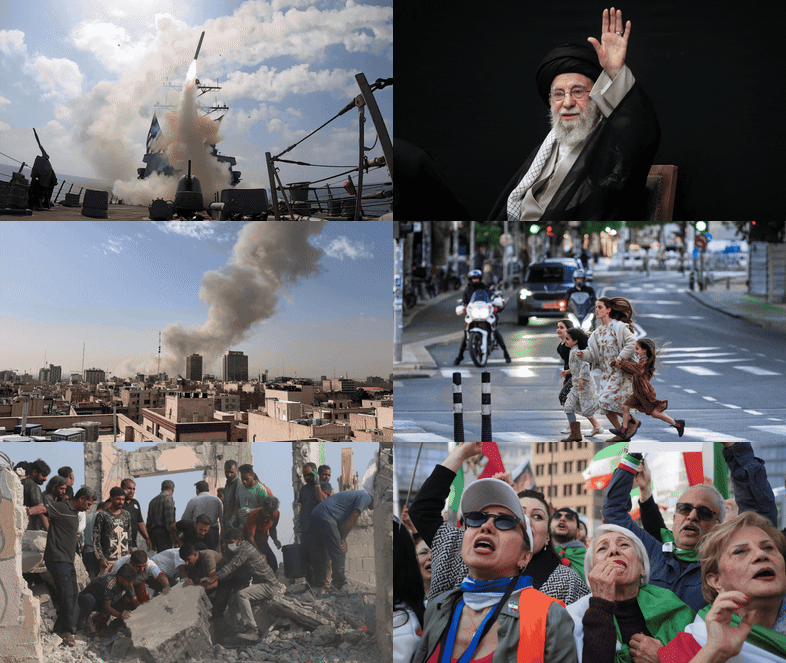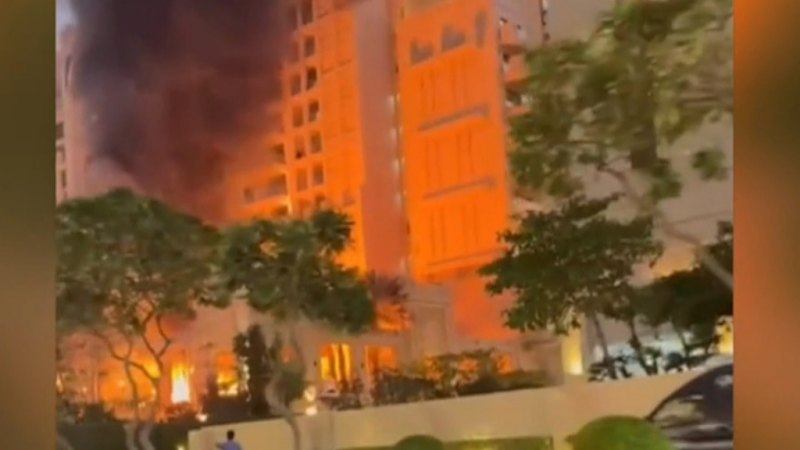
Ayatollah Ali Khamenei is dead. After thirty-seven years of iron-fisted rule that survived internal uprisings, international sanctions, and the shifting sands of Middle Eastern geopolitics, the 86-year-old Supreme Leader was killed in a coordinated U.S.-Israeli strike on February 28, 2026. Donald Trump confirmed the elimination on Truth Social, describing the operation as a "justice" for the people of Iran and a "pivotal" strike against what he termed "one of the most evil people in history." Iranian state media, after hours of frantic denials and technical blackouts, finally broadcast the confirmation of his death on March 1, declaring 40 days of national mourning while the capital of Tehran remains a landscape of smoldering craters and cellular silence.
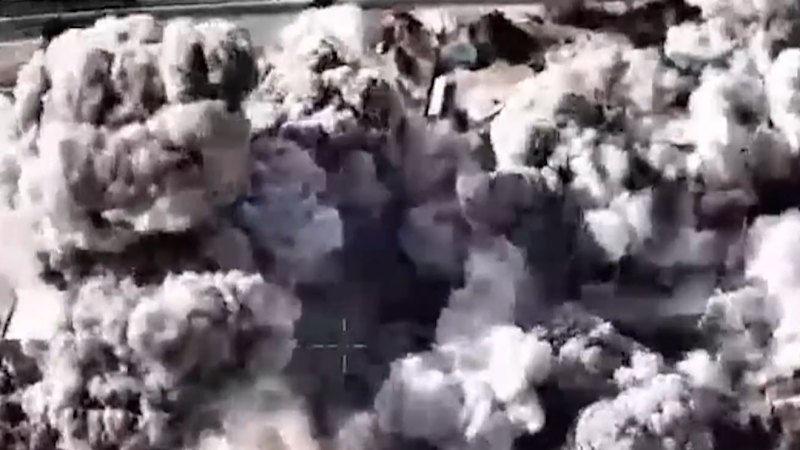
The strike did more than just decapitate the leadership; it obliterated the physical and symbolic center of the Islamic Republic. Satellite imagery shows the Leadership House compound in central Tehran reduced to blackened debris. Along with Khamenei, a significant portion of his inner circle—including his daughter, son-in-law, and key military advisors like IRGC commander Mohammad Pakpour—were reportedly neutralized in the same "precision" barrage. This was not a random act of escalation but a calculated, months-long "Operation Epic Fury" designed to force a total collapse of the current clerical system.
The Intelligence Trap That Failed the Ayatollah
For decades, the Supreme Leader’s safety relied on a deep-layered "tapestry" of security and a lifestyle of extreme secrecy. However, the February 28 operation revealed a catastrophic failure in Iranian counter-intelligence. Trump’s claim that the U.S. used "Highly Sophisticated Tracking Systems" to monitor Khamenei’s every move suggests a level of penetration that goes beyond traditional signals intelligence.
Insiders suggest the strike was timed to a specific meeting between Khamenei and his top military brass. The precision of the munitions used indicates that the coalition likely had real-time human intelligence or advanced biometric tracking active within the compound walls. While the Iranian regime has spent billions on Russian-made S-400 systems and indigenous air defenses, they proved useless against the stealth assets deployed in the opening hours of the campaign. The myth of the "impenetrable" Tehran was shattered in less than ten minutes.
A Vacuum Without a Script
The most immediate danger is not the fire in the streets, but the silence in the halls of power. Unlike the transition from Khomeini to Khamenei in 1989, there is no anointed successor waiting in the wings. The 2024 death of Ebrahim Raisi in a helicopter crash had already stripped the regime of its "Plan A." Now, with Khamenei gone, the 88-member Assembly of Experts is legally required to pick a successor, but the ongoing bombing makes a formal meeting nearly impossible.
Currently, an Interim Leadership Council has been formed, consisting of:
- Masoud Pezeshkian: The reformist President, now caught between a vengeful IRGC and a demanding West.
- Gholam-Hossein Mohseni-Ejei: The hardline Chief Justice, representing the judicial wing’s desire for continuity.
- Alireza Arafi: A high-ranking cleric from the Guardian Council.
This committee is a fragile alliance of convenience. The Islamic Revolutionary Guard Corps (IRGC) is already reportedly pushing to bypass constitutional "norms" to install a military junta or a puppet cleric like Mojtaba Khamenei, the late leader's son. Yet, appointing a son to a position built on the rejection of "monarchy" could trigger a secondary revolt within the clergy itself.
The Digital Uprising and the Streets of Tehran
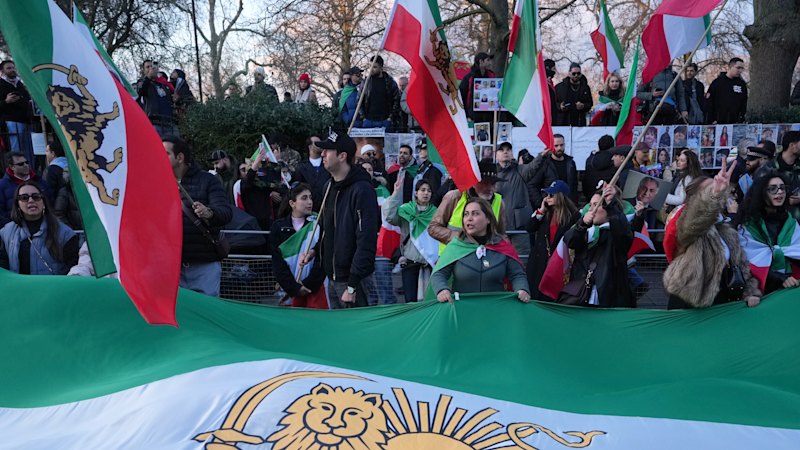
As news of the death spread, the reaction on the ground was polarized. In the religious strongholds of Qom and Mashhad, black flags were raised, and supporters gathered in grief. But in Tehran and Isfahan, reports surfaced of residents celebrating on rooftops. The "Woman, Life, Freedom" movement, though suppressed in recent years, has found a new, violent opening.
The U.S. administration is openly calling for a coup. Trump’s direct address to the Iranian people—"This will be your only chance for generations"—is a high-stakes gamble. He is betting that the fear of the IRGC has been eclipsed by the hope of a post-clerical future. However, history suggests that regime change "unleashed" by foreign bombs rarely results in a "seamless" transition to democracy. Without a unified opposition leader inside the country, Iran risks a period of warlordism where different IRGC factions fight for control of the nation’s remaining assets.
The Global Fallout and the Nuclear Question
The strikes were ostensibly triggered by the collapse of nuclear talks in Geneva just days prior. Washington and Jerusalem claimed that Iran was weeks away from a "breakout" capability. By destroying the Fordow and Natanz facilities alongside the leadership, the coalition has hit the "reset" button on Iran’s regional influence.
The response from the "Axis of Resistance" has been swift but disjointed. Hezbollah, already battered by its own conflicts, has launched sporadic rocket fire, but without the "paramount" guidance of Tehran, the proxy network is flailing. Russia and China have condemned the assassination as a violation of sovereignty, yet neither seems willing to intervene militarily to save a regime that has already lost its head.
The Iranian government has threatened an "Islamic jihad" against the West, and the Strait of Hormuz is effectively closed to traffic, sending global oil prices into a vertical climb. This is the "brutal truth" of the current crisis: the elimination of a dictator has not brought peace, but a new, more unpredictable form of chaos. The world is no longer dealing with a single "sick man" in Tehran, but a wounded, headless military apparatus with its finger on the remaining triggers.
The coming days will determine if the Iranian people can indeed "take back their country" or if they are simply trading one form of repression for a decentralized, violent anarchy. The era of Khamenei is over, but the ghost of his system still haunts the ruins of Tehran.