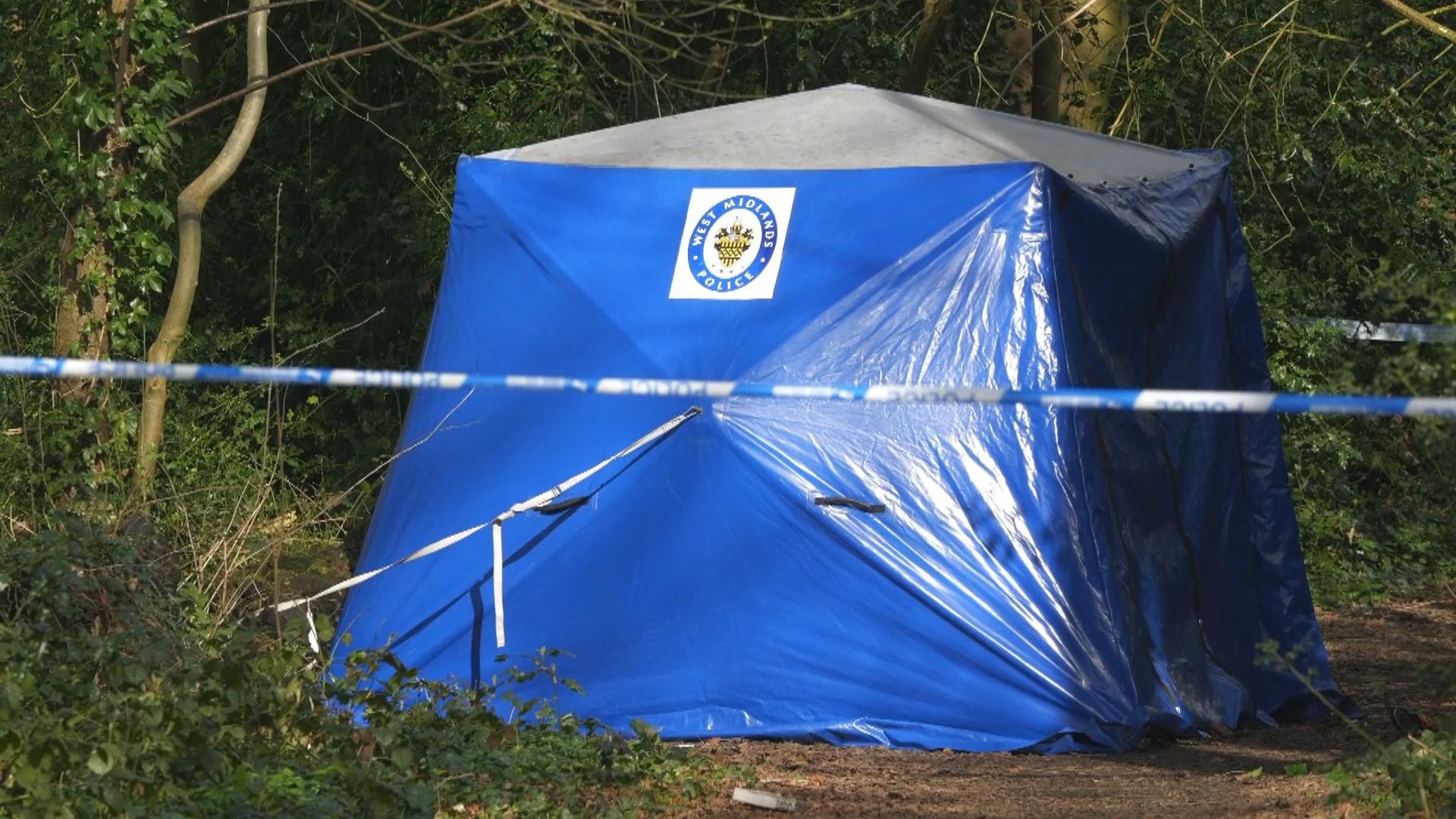
A baby is dead after falling from a height in central London. A woman is in custody on suspicion of murder. These are the jagged, indisputable facts of a tragedy that unfolded this week near the heart of the capital’s international transport hub. While the police cordons eventually come down and the forensic teams depart, the incident leaves behind a void that the standard news cycle is ill-equipped to fill. This is not just a report on a crime; it is an autopsy of a systemic collapse that occurs long before an arrest is ever made.
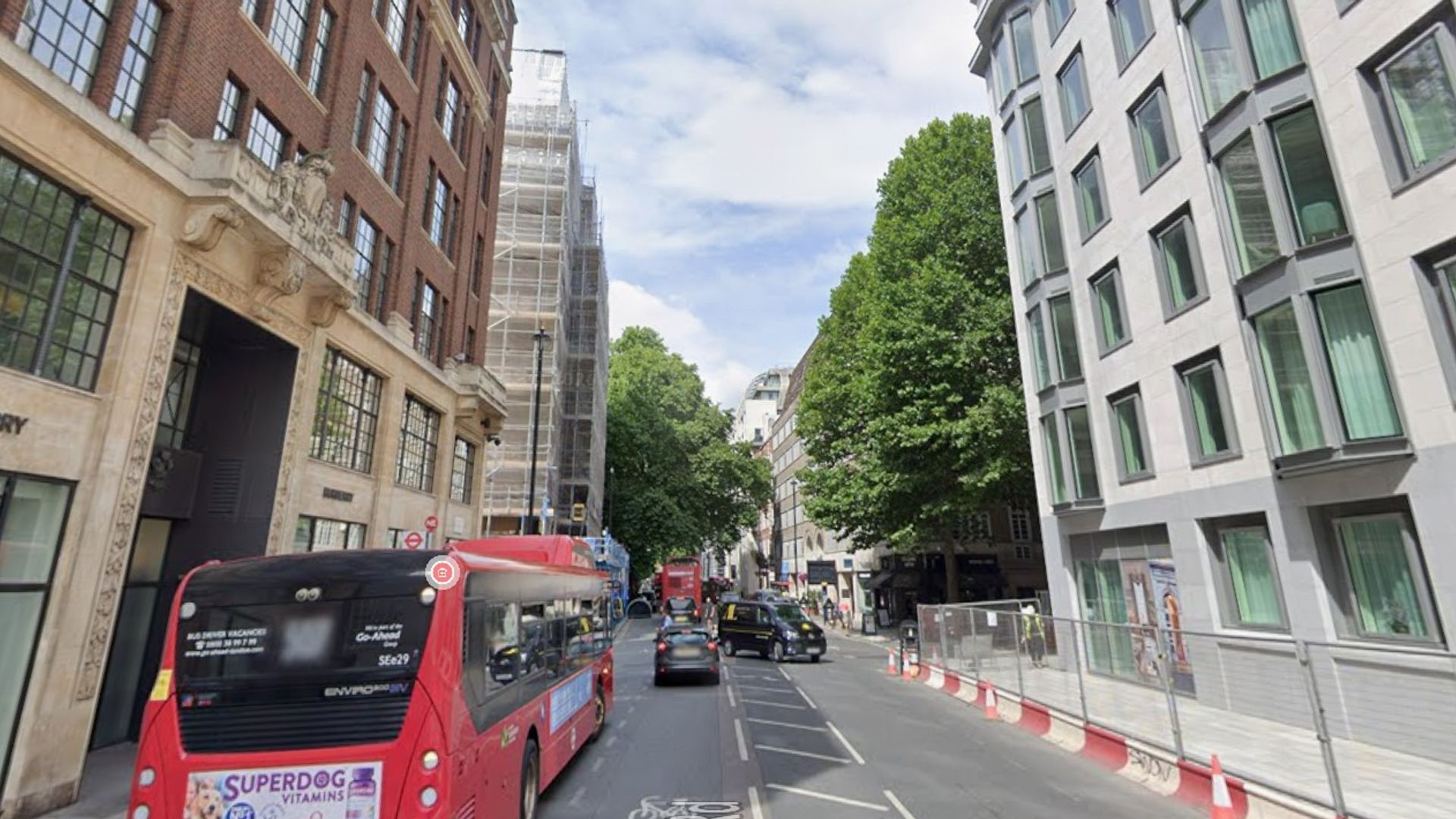
On the afternoon of the incident, emergency services scrambled to an address in the vicinity of Euston. Despite the rapid arrival of specialized medical teams and the deployment of an air ambulance that landed in a nearby urban green space, the infant could not be saved. The Metropolitan Police acted with the grim efficiency expected in such high-stakes scenarios, detaining a woman at the scene. She remains under investigation. The legal machinery has begun to turn, yet the public is left with the haunting question of how a child’s life ends on a pavement in one of the most monitored cities on earth.
The Geography of a Crisis
Euston and its surrounding neighborhoods represent a stark London duality. On one side, you have the sleek glass of corporate headquarters and the constant flow of affluent commuters. On the other, you find pockets of dense social housing and temporary accommodation where the "safety net" is often more of a tripwire. When a tragedy like this occurs in a high-density urban environment, the "height" mentioned in police reports is rarely just a physical measurement. It is a reflection of the vertical living that defines modern poverty and the isolation that comes with it.
Investigating these incidents requires looking past the yellow tape. We have to examine the environment of the modern London borough. In these areas, social services are stretched to a breaking point, and the threshold for intervention has never been higher. Neighbors often report a sense of "knowing but not knowing"—noticing the signs of a household under extreme pressure but lacking the communal structures to offer help or the faith in authorities to report concerns.
The Mechanism of Modern Policing
When the Met Police attend a scene involving the death of a child, the protocol is rigid. The Homicide and Serious Crime Command takes the lead not because guilt is a foregone conclusion, but because the stakes demand the highest level of forensic scrutiny. The term "suspicion of murder" is a legal necessity for detention, yet it often obscures the complex mental health or socioeconomic factors that might be at play.
The police are currently scouring CCTV and seeking witnesses in a part of London that is never truly dark or quiet. However, the most vital evidence often isn't on a digital hard drive. It is found in the paper trail of local authorities, GP surgeries, and housing associations. The question for investigators isn't just what happened in the seconds before the fall, but what happened in the months leading up to it. Was this a family known to the system? If so, why did the system fail to keep the balcony door closed?
The Invisible Pressure of Urban Isolation
London is a city where you can live ten feet away from someone for a decade and never learn their name. This anonymity is a luxury for some, but for a parent in crisis, it is a death sentence. The decline of the "village" model of child-rearing has been replaced by a fragmented landscape of outsourced care and over-burdened state departments.
We see a recurring pattern in these high-profile tragedies. There is an initial burst of public horror, a flurry of floral tributes, and a demand for "justice." But justice is a backward-looking concept. It does nothing for the child who is already gone. Real accountability would look like a fundamental reassessment of how we monitor the welfare of children in transient, high-density housing.
Breaking the Cycle of Reactive Governance
Local councils often operate in a state of permanent firefighting. They react to the blaze rather than clearing the brush. When a "serious case review" is eventually published—usually years after the event—it almost inevitably cites a lack of communication between agencies. The health visitor didn’t talk to the housing officer; the housing officer didn’t know about the police call-out for a domestic disturbance; the school noticed the absence but the file sat on a desk.
This isn't an issue of "human error" in the singular sense. It is a design flaw. We have built a bureaucracy that prioritizes data entry over human intuition. In the pursuit of efficiency, we have lost the ability to spot the "slow-motion wreck" before the impact occurs.
The Cost of Silence
The woman currently being questioned represents one side of a legal proceeding, but the community represents the other. There is a palpable weight in the air around Euston this week. It is the weight of collective failure. Every time an infant dies in these circumstances, it exposes the lie that we are a society that prioritizes its most vulnerable.
We must move beyond the shock of the headline. If we only care about these children when they fall, we are complicit in the conditions that led them to the edge. The investigation will continue, the courts will eventually weigh the evidence, and a verdict will be delivered. But for the residents of central London, and the city at large, the verdict is already in.
Demand a breakdown of local authority funding for early-years intervention in your specific borough. If the numbers are shrinking while the towers are rising, you have your answer as to why these tragedies continue to repeat.