The corporate boardroom usually smells of stale espresso and spreadsheets. It is a space designed to suffocatingly minimize risk. Every syllable of a press release is scrubbed by legal teams; every marketing campaign is focus-grouped until it loses all rough edges. But football does strange things to sober executives. It introduces the intoxicating, volatile element of pure ego.
When the Euro tournament reached its fever pitch, the marketing team at Norse Atlantic Airways found themselves swept up in the collective madness. They weren't just watching a game; they were staring at an opportunity to puncture the stuffy, aristocratic armor of their massive rival, British Airways.
A bet was struck. It was a digital duel born of late-night bravado on social media. If England lost, British Airways would have to bow down. But if England won, Norse Atlantic would have to do the unthinkable. They would have to strip down their own digital identity and replace it entirely with the crest of their primary competitor.
To the uninitiated, a logo swap on Instagram sounds like a trivial prank, the corporate equivalent of a schoolyard dare. It is not. In the modern economy, your digital avatar is your storefront, your flag, and your handshake. Relinquishing it is an act of absolute corporate submission.
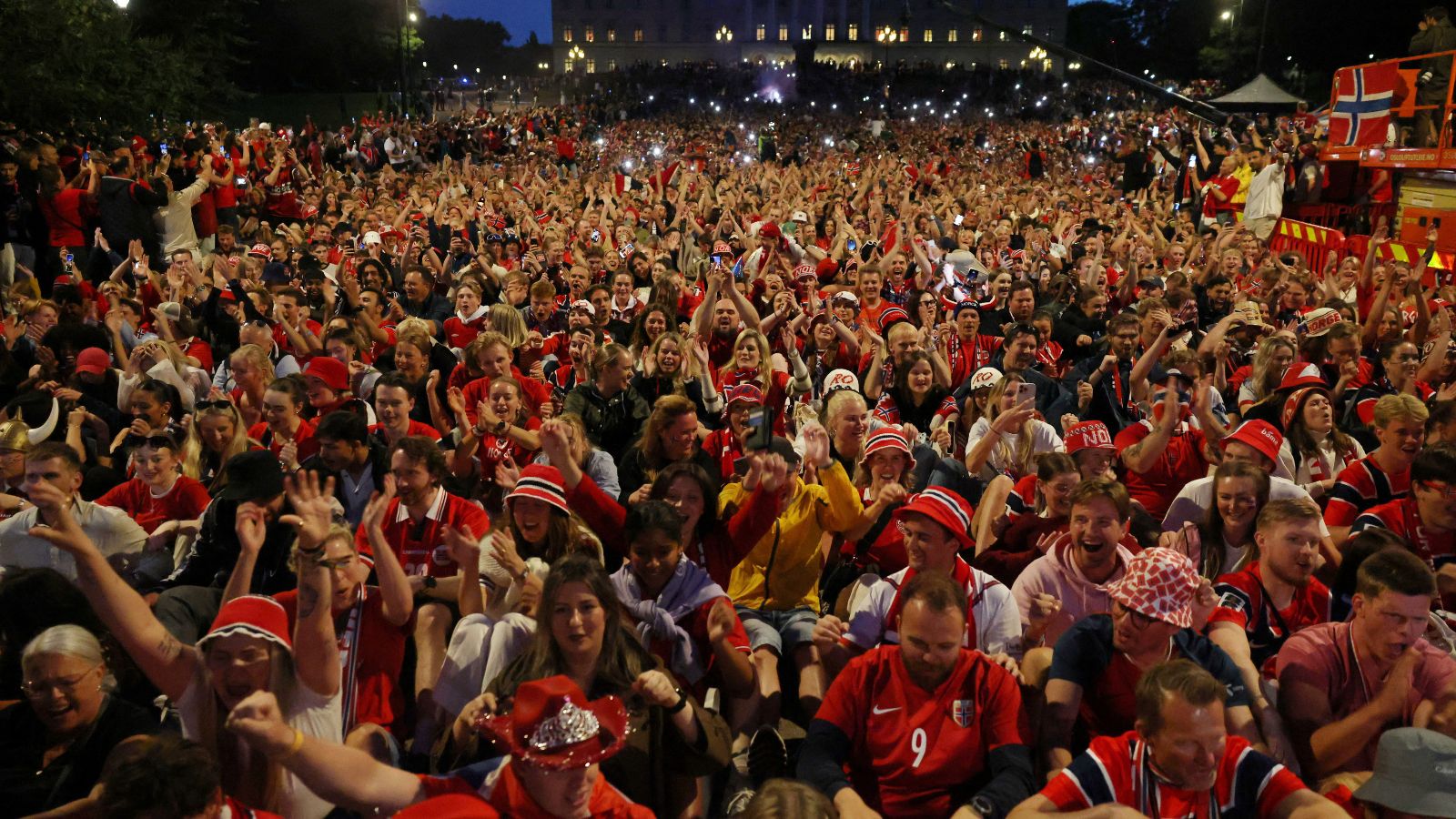
The match itself was an agonizing slow-burn. Picture the scene in the Oslo headquarters: a room full of brilliant strategists, suddenly reduced to biting their nails, screaming at a monitor, realizing that their entire summer marketing strategy hung on the fragile shins of twenty-somethings running across a grass pitch hundreds of miles away. Every pass felt like a boardroom crisis. Every near-miss was a plummeting stock ticker.
Then came the whistle. England had won.
The silence in the room must have been deafening. The realization settled in like a cold draft. There was no legal loophole to exploit. No PR spin could save them. To back out now would be worse than losing; it would brand them as cowards in an industry that rewards the bold.
The Morning After the Hubris
Imagine waking up, logging into your company’s public face, and seeing your rival's banner flying from your masthead. For twenty-four hours, anyone looking for cheap transatlantic flights on Norse Atlantic was greeted by the unmistakable speedbird logo of British Airways.
It was a masterclass in public humiliation, willingly accepted.
But a fascinating psychological shift happens when a brand admits defeat with grace. In the cold calculus of traditional business, this was an unmitigated disaster. You spent millions building a distinct identity, only to give it away for free to the legacy carrier trying to squeeze you out of the sky. Yet, the internet doesn't operate on traditional business logic. The internet thrives on blood, vulnerability, and theater.
By honoring the bet, the underdog airline transformed a humiliating loss into an act of profound human connection. They showed they could bleed. They showed they could lose a wager and pay their debts without running to a team of lawyers to draft a sanitized apology.
The Illusion of Corporate Control
We live in an era where corporations try desperately to mimic human traits. They write tweets using slang, they pretend to have favorite foods, and they act like your quirky best friend. Most of the time, it feels hollow. It feels like an algorithm wearing a human leather jacket.
The reason this airline wager resonated so deeply is that the stakes were genuine. There was actual risk. For twenty-four hours, the corporate mask slipped, revealing the stressed-out, sports-obsessed humans pulling the levers behind the scenes.
Consider the alternative. Had they won, British Airways would have been forced into the digital dirt. The legacy carrier, known for its stiff upper lip and royal heritage, would have been humbled by a transatlantic upstart. That was the prize they chased. It was a high-stakes gamble that proved, if nothing else, that the soul of modern business isn't found in quarterly earnings reports.
It is found in the willingness to look absolutely ridiculous in front of millions of people.
The British Airways logo eventually vanished from the Norse Atlantic page, replaced once again by the familiar clean lines of the Norwegian carrier. The digital flag was lowered. The debt was paid. But the landscape of corporate rivalry had shifted slightly. It served as a stark reminder that even in an industry governed by strict flight paths, heavy regulations, and razor-thin margins, the oldest rule of human nature still applies.
If you are going to play the game, you have to be prepared to pay the price when the whistle blows.