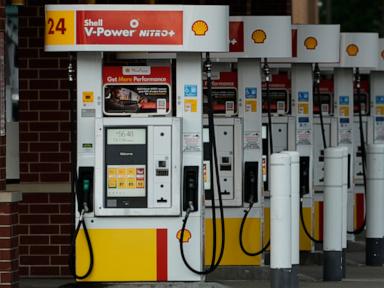
The brief sigh of relief at the gas pump is a mathematical mirage. While falling fuel prices have temporarily dragged down headline inflation numbers, the underlying economic foundation remains profoundly unstable. Central banks and optimistic analysts are celebrating a victory that has not actually occurred. The core drivers of global inflation—structural labor shortages, fractured supply chains, and ballooning national debts—are completely unaffected by a temporary dip in crude oil. Worse, the escalating geopolitical friction in the Middle East, specifically the looming threat of a broader conflict involving Iran, ensures this period of relief will be short-lived.
To understand why the inflation crisis is far from over, one must look past the volatile energy components that dominate monthly Consumer Price Index (CPI) reports. Energy prices are notoriously erratic. They drop sharply when global demand stumbles, but they surge violently at the first sign of geopolitical instability. Relying on a temporary decline in oil to declare victory over inflation is an amateur mistake.
The Mirage of the CPI Drop
When the latest inflation data shows a downtick, the financial press routinely credits falling gasoline prices. This is technically true but fundamentally misleading. Gasoline is a highly visible commodity. Consumers see the price on giant signs every time they drive, making it a powerful psychological driver of inflation expectations.
However, the broader economy reacts to structural costs.
Consider how the CPI is calculated. The index measures a basket of goods, but core inflation deliberately strips out food and energy because they fluctuate too rapidly. While headline inflation drops because oil supply temporarily outpaces demand, the cost of rent, healthcare, and insurance continues its steady upward march. These are sticky components. Once they rise, they rarely come back down.
The mechanics of this illusion are simple. If gasoline prices drop 10% in a month, it drags the overall inflation average down, even if the cost of services rises by 5%. The public sees the lower average and assumes the economy is healing. In reality, the structural decay continues unabated beneath the surface.
Why the Middle East Oil Bastion is a Single Spark Away from Explosion
The current weakness in oil prices assumes a stability that simply does not exist in the real world. The focal point of global energy vulnerability remains the Strait of Hormuz, a narrow choke point controlled effectively by Iran. Roughly one-fifth of the world's total petroleum consumption passes through this waterway every day.
If the simmering proxy conflicts in the region erupt into open warfare directly involving Iran, the global energy market will face an immediate, catastrophic supply disruption.
- The Hormuz Blockade Factor: Iran does not need a massive navy to destabilize global markets. It only needs to disrupt shipping traffic. Mines, drone strikes, and tanker seizures could instantly halt the flow of millions of barrels of oil per day.
- The Infrastructure Vulnerability: Major processing facilities in the region sit well within striking distance of modern missile technology. A single successful strike on critical infrastructure can take months, if not years, to repair.
- The Insurance Collapse: Even if shipping lanes remain technically open, maritime insurance companies will skyrocket their premiums or refuse coverage entirely for vessels entering a combat zone. Shipping halts just as effectively under economic pressure as it does under military blockade.
This is not alarmist speculation. It is basic geography and military reality. The global economy is operating on a razor-thin margin of safety, pretending that a massive geopolitical fault line will never shift.
The Fiction of Strategic Reserves
During previous energy crunches, governments relied on strategic stockpiles to smooth out supply shocks. That weapon is largely spent. The United States, for instance, depleted its Strategic Petroleum Reserve (SPR) to historic lows in recent years to artificially suppress domestic gas prices.
This short-sighted political maneuvering leaves the West incredibly vulnerable.
Global Oil Choke Points by Daily Volume (Approximate)
+-------------------+----------------------------+
| Choke Point       | Volume (Million Barrels)   |
+-------------------+----------------------------+
| Strait of Hormuz  | ~20-21 Million bpd         |
| Strait of Malacca | ~15 Million bpd            |
| Suez Canal        | ~9 Million bpd             |
+-------------------+----------------------------+
As the data illustrates, no other transit route matches the sheer volume of the Strait of Hormuz. If that artery is severed, there is no alternative route capable of absorbing the deficit. Strategic reserves cannot fill a gap of twenty million barrels per day for more than a few weeks. Once those reserves hit bottom, the market forces a brutal rebalancing through demand destruction. That is a polite economic term for a severe recession.
The Corporate Blind Spot in Supply Chain Resiliency
Most multinational corporations structured their supply chains around the assumption of permanently cheap transportation. They optimized for efficiency rather than resilience. This inventory model works flawlessly when global shipping lanes are safe and fuel is cheap. It breaks down completely during an energy crisis.
When fuel prices spike, the cost of moving raw materials and finished goods rises exponentially. A manufacturer importing components from overseas must suddenly pay a massive premium on freight. These costs cannot be absorbed by corporate profit margins indefinitely. They are passed directly to the consumer, triggering a secondary wave of inflation that central banks cannot control with interest rate hikes.
The true vulnerability lies in the compounding nature of energy costs. Energy is not just a line item; it is the fundamental input for every other industry. Agriculture requires diesel for tractors and natural gas for fertilizer. Manufacturing requires electricity to run factories. Shipping requires fuel to move product. When energy spikes, everything spikes.
The Central Bank Dilemma
Monetary policymakers find themselves trapped in a corner of their own making. If they cut interest rates because headline inflation looks lower due to cheap gas, they risk reigniting the domestic demand that caused inflation in the first place. If they keep rates high to combat sticky core inflation, they risk crashing the banking system and the housing market.
A sudden conflict with Iran removes any illusion of control. Central banks cannot print oil. They cannot raise interest rates to fix a broken pipeline or clear a blockaded shipping lane. A geopolitical supply shock creates stagflation—the toxic combination of stagnant economic growth and rampant inflation.
Historically, fighting stagflation requires crushing the economy intentionally to stop price increases. It is a brutal remedy that inflicts massive pain on the working class while wiping out trillions in market value.
The current economic consensus relies on a fragile peace. Investors are betting their portfolios that the current dip in gasoline prices represents a permanent return to normalcy. They are ignoring the escalating military rhetoric, the depleted emergency reserves, and the structural inflation that remains untouched by monetary policy. The calm we are experiencing is not a recovery. It is the quiet before the storm hits the energy markets. Ensure your capital is positioned for volatility, because the price at the pump is about to explode.