You would think we would have a definitive answer by now. Years after the pandemic ground global society to a halt, the fundamental argument about where the coronavirus came from remains wide open. Public figures, scientists, and intelligence agencies are still locked in a bitter standoff.
If you expected a neat scientific consensus to settle the dust, you're looking at the wrong fight. This isn't just about microscopes and gene sequencing anymore. It's about institutional trust, geopolitical blame, and how the world handles the next global health catastrophe.
The Two Divergent Camps
Two main theories dominate public discourse, and neither side is willing to back down.
The first camp points toward natural spillover. Proponents of this view argue that SARS-CoV-2 followed a familiar historical script. They point to past outbreaks like SARS-1 and MERS, which jumped from animals to humans through wildlife markets or intermediate hosts. Virologists backing this hypothesis look at early viral samples and epidemiological clusters around the Huanan Seafood Wholesale Market in Wuhan as the smoking gun of a zoonotic event.
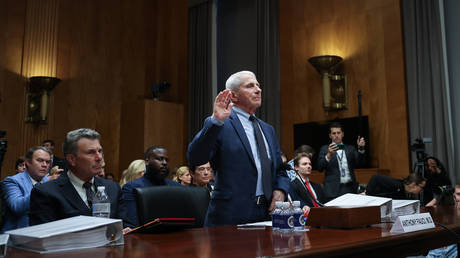
The second camp focuses heavily on biosafety risks and research accidents. Critics, including various congressional committees and investigative journalists, point out that Wuhan housed a major facility studying coronaviruses. Recent document releases and congressional testimonies—such as disclosures regarding research proposals like the DEFUSE project—have kept the spotlight squarely on gain-of-function experiments and whether a laboratory accident sparked the outbreak.
Why Science Hasn't Provided Closure
Science is supposed to rely on testable evidence, but this investigation has been starved of clean data from day one.
When early access is blocked, delayed, or heavily politicized, speculation fills the vacuum. Key environmental samples from late 2019 were scrubbed or went uncollected before independent international teams could examine them thoroughly. Without physical proof that can definitively tip the scales—such as an infected animal captured prior to market sale or an untouched audit trail from specific laboratory freezers—both sides can point to gaps in the data to claim the other side is wrong.
This evidentiary drought turns a technical inquiry into an ideological proxy war. If you trust institutional public health bodies, you lean toward the natural origin argument. If you distrust government oversight and bureaucracy, you find the laboratory escape hypothesis much more convincing.
The Real Cost of an Unresolved Argument
Leaving this question open creates long-term damage that goes far beyond internet comment sections.
When official channels shut down debate too early—labeling alternative hypotheses as fringe theories before the facts were in—they eroded public confidence. People notice when institutions claim absolute certainty prematurely. That loss of trust makes compliance during future health crises much harder to secure.
Fixing this moving forward requires institutional transparency. Until regulatory bodies and research institutions welcome aggressive, unvarnished independent oversight into high-risk biological work, the underlying friction will persist. The argument won't end because the conditions that created it haven't changed.
To stay grounded, look past the political grandstanding on both sides. Read primary investigative reports rather than partisan summaries, and accept that ambiguity is often weaponized by actors with agendas. Keep asking tough questions about how science is funded, regulated, and communicated to the public.