Ink smells like a promise. For anyone who has ever spent a freezing dawn waiting outside a press briefing room, listening to the heavy drone of diesel generators and the sharp chatter of distant radios, print is more than a medium. It is an anchor. It connects the machinery of state power to the individuals whose lives are shaped by its gears. When that ink is dried by force, the silence left behind is heavy. It presses against the ribs.
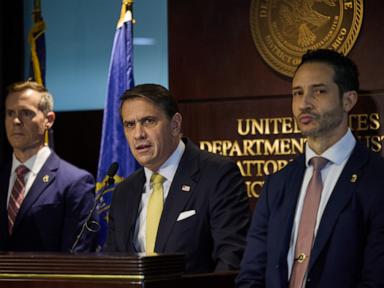
Three journalists recently learned just how fragile that ink really is. They filed a lawsuit against the Pentagon, pushing back against a sudden, jarring dismissal from a military news outlet. On paper, it looks like an employment dispute. A routine filing in a federal district court, complete with motions, citations, and the slow-moving clockwork of administrative law. But paper never tells the whole truth. Underneath the legal briefs lies a collision between the absolute authority of military command and the stubborn, necessary friction of a free press.
Consider what it takes to report on the armed forces from the inside. You are not an outsider looking through a telescope. You are sitting at the edge of the mess hall, watching tired officers trade quiet worries over lukewarm coffee. You are learning the strange, dense dialect of acronyms, supply chains, and tactical adjustments. You earn trust one tedious fact-check at a time. Then, overnight, the badge is deactivated. The email account bounces. The desk is cleared into a cardboard box.
Why? Because the stories being told stopped aligning with the narrative being managed.
Control is an addictive drug in high-stakes institutions. The Department of Defense operates on a logic of mission readiness, security protocols, and operational coherence. Dissent, or even inconvenient accuracy, can look like a threat to cohesion. Yet a news organization funded by the public to report on that very department faces a different mandate. It answers to a wider constituency. When those two imperatives collide, the journalists usually absorb the blow.
Think of it as a delicate mechanical watch. Every gear has a designated job. The mainspring provides relentless, driving force, pushing everything forward. The escapement wheel, however, provides the friction. It resists. It stops the watch from spinning out of control in a frantic, useless blur. Without that tiny, annoying resistance, the watch breaks itself apart in seconds.
Journalism is the escapement wheel of democracy. It is designed to create friction. When an institution decides it no longer wants any resistance, it removes the wheel.
The lawsuit filed by these reporters targets that exact removal. They allege they were fired in retaliation for doing the job they were hired to do: reporting independently, asking uncomfortable questions, and refusing to sanitize coverage to suit the preferences of public affairs handlers. The Pentagon maintains its administrative prerogatives, pointing to the unique nature of military oversight and civilian leadership control over defense media outlets.
Both sides are speaking entirely different languages. The legal system will spend months trying to translate them.
Meanwhile, the broader ecosystem of public information suffers a quiet erosion. When independent voices inside military-adjacent outlets are pruned away, the remaining output shifts toward safe uniformity. The rough edges of reality get sanded down until everything looks like a glossy recruitment brochure. Nuance vanishes. The human cost of policy decisions gets lost beneath a mountain of official talking points.
We forget that behind every policy memo is a nineteen-year-old kid humping a ruck through mud, or a logistics officer trying to account for missing equipment on a ledger that doesn't balance. Real reporting brings those human elements to the surface. It reminds us that state power has weight, texture, and consequence. When reporters are shown the door for refusing to look away, the public is the ultimate casualty. We are left reading a story written by the characters starring in it.
That is not journalism. That is public relations with extra steps.
The courtroom doors will open and close many times before this dispute reaches its final cadence. Lawyers will debate First Amendment protections, federal employment statutes, and the boundaries of executive branch authority over internal communications. Briefs will pile high. Experts will testify.
Yet the real verdict is already being written in the minds of every young reporter watching from the sidelines. They are weighing the cost of curiosity against the security of a paycheck. They are learning which lines are safe to cross and which ones trigger the sudden, silent drop of the guillotine.
The most dangerous thing an institution can do to a free press is not to ban it outright. It is to teach the survivors to censor themselves. Against that quiet, invisible chilling effect, a lawsuit is just a beginning. It is a single, defiant voice shouting into a very large, very dark room, demanding to know if anyone is still listening.