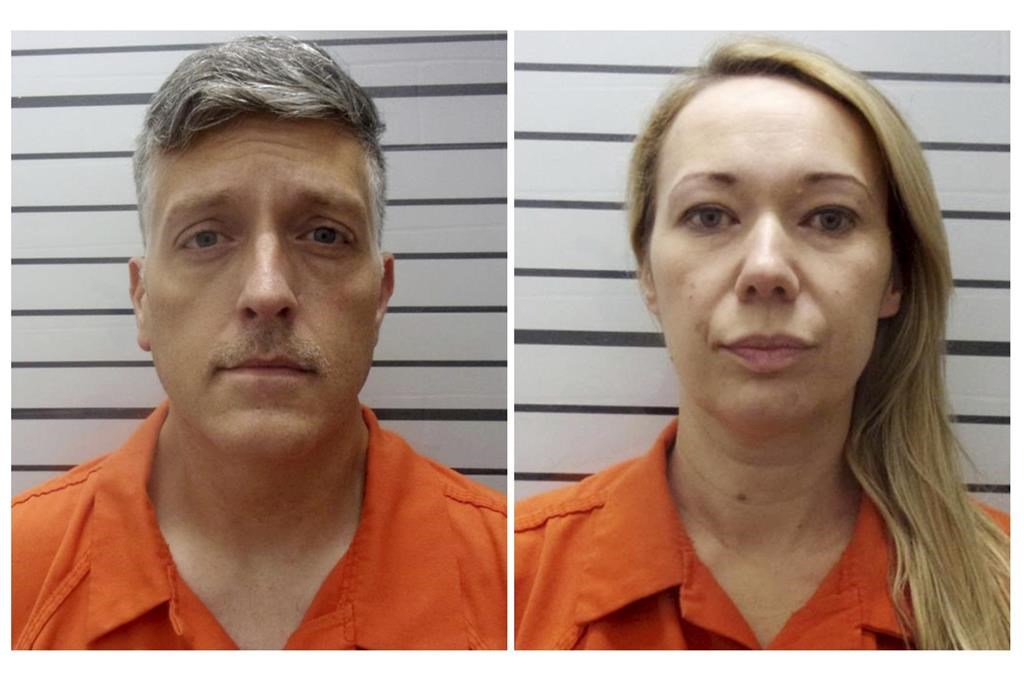
The headlines are predictable. A former funeral home owner in Colorado hands out bags of dry concrete mix instead of Grandma’s ashes, and the world recoils in scripted horror. We call it "ghoulish." We demand twenty-year prison sentences. We treat it as a freakish anomaly in an otherwise sacred industry.
You are being lied to by your own sentimentality.
The scandal isn't that one person traded bone fragments for construction materials. The scandal is the multibillion-dollar industrial complex that has convinced you that a decomposing carbon shell requires a high-end concierge service. We have outsourced our grief to middle-men who specialize in psychological arbitrage. They buy your guilt and sell you mahogany.
If you think this specific case of fraud is the problem, you’ve already lost the plot. The real fraud is the "death-care" industry itself, and the fact that we’ve made it illegal or socially impossible to handle our own dead without a licensed gatekeeper.
The Commodity of Bone and Ash
Let's talk about the mechanics of the "fake ash" scandal. The media focuses on the betrayal of trust. They focus on the $300,000 the owners allegedly pocketed while bodies rotted in a facility. But why did those families pay thousands of dollars in the first place?
For a process.
In the United States, a standard cremation costs between $1,000 and $4,000. For what? About $20 worth of natural gas and two hours of machine time. The rest is "administrative fees," "professional service charges," and the markup on a temporary container that will eventually sit in a closet.
The industry relies on a specific type of information asymmetry. You don't know what cremated remains are supposed to look like. You don't want to know. That squeamishness is a line item on a balance sheet. When you refuse to engage with the physical reality of death, you create a market for people like the ones in Colorado to sell you "peace of mind" in a plastic bag.
I have spent years watching industries optimize for the "low-touch, high-margin" model. The funeral industry is the ultimate version of this. It is a business where the customer can never complain about the quality of the product, and the buyer is too traumatized to check the receipt.
The Myth of the Sacred Vessel
We treat the body as if it is the person. It isn't. It’s a biological byproduct.
By demanding "dignity" through expensive disposal methods, we have created a regulatory moat that protects funeral directors and screws over families. In most states, you can't even transport a body without a permit. You can't bury someone on your own land without a mountain of paperwork. We have criminalized the natural cycle of life to ensure that a specific class of professionals can maintain their "licensed" status.
The Colorado case is just the logical extreme of a system that prizes the appearance of care over the reality of biology. When we demand that death be "handled" and hidden away, we shouldn't be surprised when the people we hire decide that the "handling" is more profitable than the actual service.
If you aren't willing to look into the urn, why do you care what's inside?
That sounds harsh. It’s meant to. Our refusal to accept the physical reality of death makes us easy targets for Everyman’s Morality Plays. We want the villain in the suit to go to prison because he forced us to realize that the "ashes" we cherish are just processed calcium phosphate.
The Industrialized Grief Trap
The "lazy consensus" says we need more regulation. We need more inspections. We need more oversight of funeral homes.
Wrong.
We need less. We need to reclaim death from the professionals.
In the 19th century, death happened in the parlor. The family washed the body. They built the box. They dug the hole. There was no "fraud" because there was no middle-man to outsource the labor to. Today, we pay for a "Director" to manage our emotions.
When you look at the $300,000 fraud in the news, don't look at the dry concrete. Look at the invoices.
- The "General Service Fee": Often $2,000+. This is for "overhead." It’s a tax on your inability to handle a corpse.
- The Embalming Myth: It is rarely legally required, yet it’s sold as a "necessity" for viewing. It’s a chemical preservation of a lie.
- The Casket Markup: 300% to 500% is standard. It’s a box that goes into the ground or a furnace.
The industry is built on the premise that the more you spend, the more you loved the deceased. It is a predatory feedback loop. The "fake ash" guy didn't invent the scam; he just stopped doing the expensive part of the performance.
The High Cost of Looking Away
You want to prevent this from happening to your family? Stop being a coward.
The reason these "ghouls" get away with it for years is that families want a "seamless" experience. They want the body gone. They want a neat box returned. They want to skip the "disturbing" parts.
When you outsource the disturbing parts, you outsource the truth.
Imagine a scenario where we treated death like any other service. We would demand transparency. We would check the work. But because it’s "sacred," we don’t. We sign the papers and look away. That "looking away" is exactly where the fraud lives.
The industry's defense is always that they provide "grief support." Please. A funeral director is a high-end event planner for a party where the guest of honor is inanimate. They are experts in logistics and retail, not psychology. Giving them the moral authority of a priest while they charge you like a Mercedes dealer is the height of cultural insanity.
The Counter-Intuitive Solution
We don't need 20-year prison sentences as much as we need a total collapse of the funeral industrial complex.
- Direct Disposal: Stop paying for "services." If you must use a funeral home, use them as a crematorium, nothing more. Skip the viewing, the flowers, and the fake-satin-lined boxes.
- Body Donation: Give the remains to science. It’s free, it’s useful, and it removes the profit motive entirely.
- Home Funerals: Research the laws in your state. In many places, you have the right to care for your own dead. It is difficult, it is visceral, and it is the only way to ensure total "dignity."
The Colorado owners are being punished because they broke the illusion. They showed that in the eyes of the market, a body is just a liability to be disposed of as cheaply as possible. The only difference between them and a "reputable" funeral home is that the reputable home follows the expensive rituals required to keep you from noticing the same cold reality.
The ashes were fake, but the bill was real. That is the only truth in this entire industry.
The court will focus on the desecration of the dead. You should focus on the desecration of the living. Every dollar spent on a "premium" death experience is a dollar stolen from the legacy of the person who actually lived. They don't care about the casket. They don't care about the urn. Only your ego does.
Stop paying for the performance. If you want to honor someone, do it while they're breathing. Once the heart stops, the "care" you're buying is just a line item in a crook's ledger.
Stop looking for "trustworthy" professionals to handle your grief. Handle it yourself. It’s the only way to know what’s actually in the box.