Depth does things to sound. Down there, footsteps do not echo so much as they absorb into the limestone, swallowed by the sheer mass of the earth.
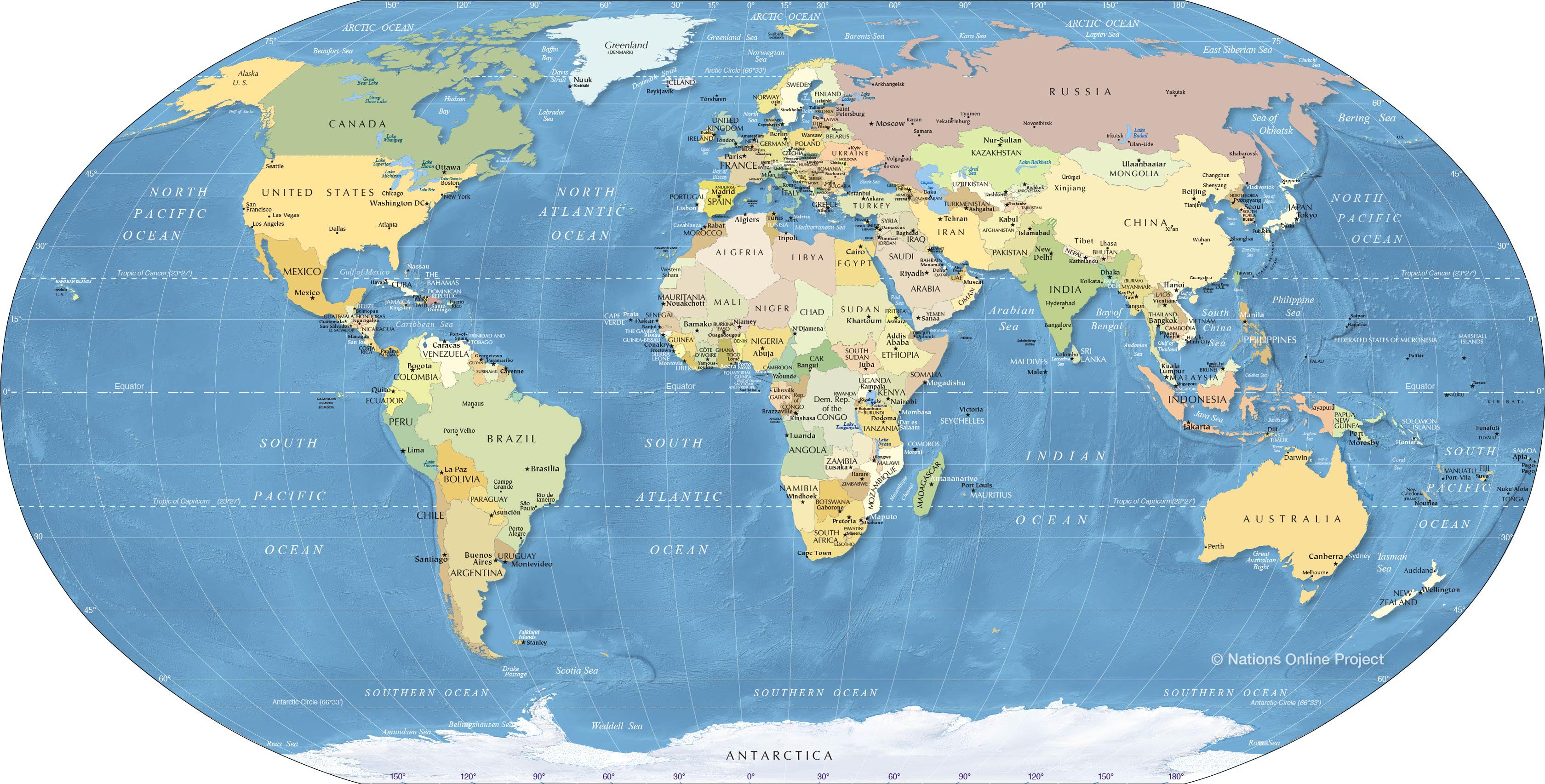
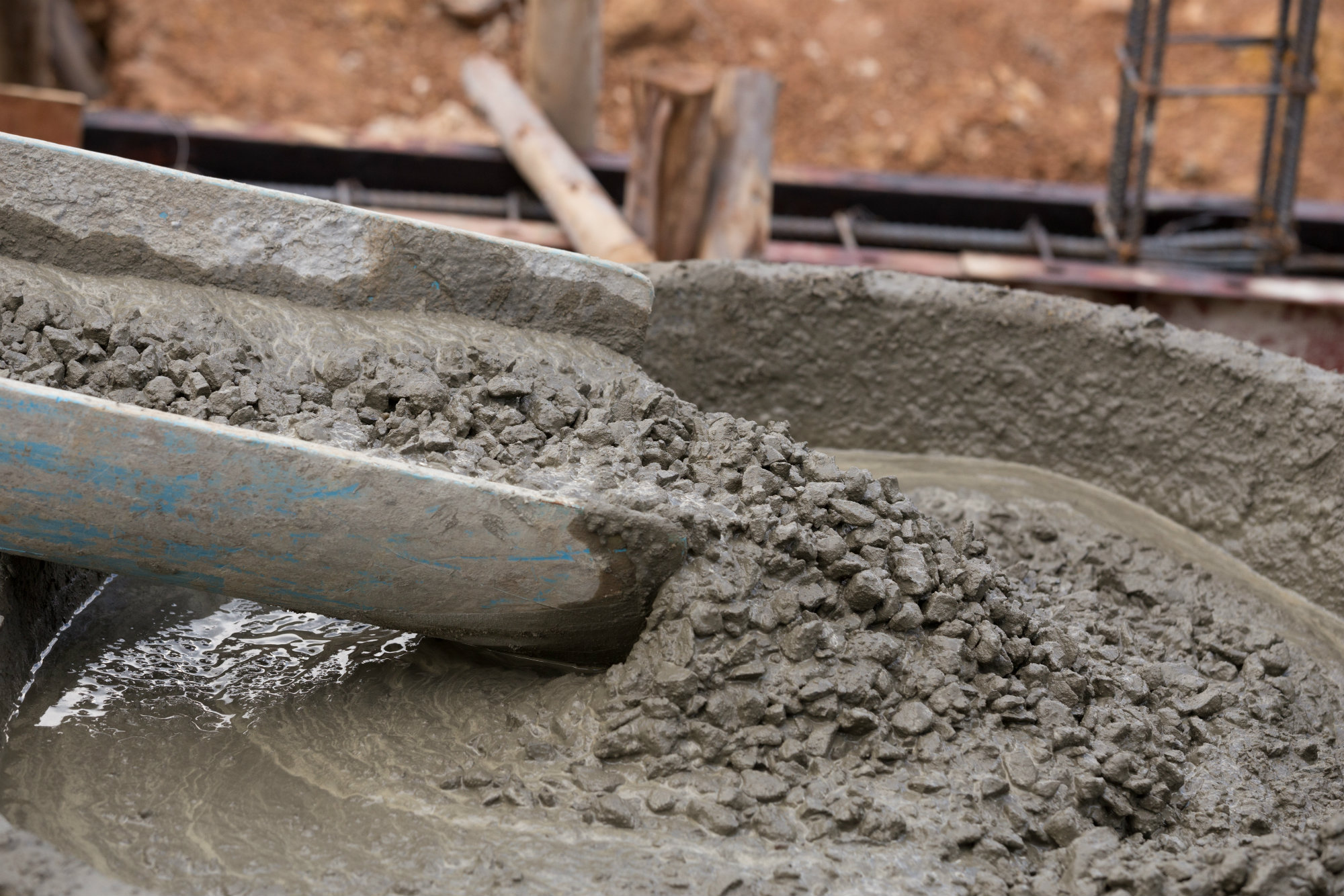
Deep inside the Zagros Mountains of Iran, men in gray overalls are pouring concrete. They do not talk much. The air is thick with the scent of wet cement, diesel exhaust, and the sharp, metallic tang of industrial drills biting into ancient stone. Above them, hundreds of meters of solid rock form a shield against the sky. They are carving a sanctuary, or perhaps a vault.
Somewhere in Florida, thousands of miles away from the damp dust of the mountain, a phone rings on a mahogany desk.
The warnings have shifted from hushed diplomatic cables to the harsh glare of public stages. Donald Trump, eyeing the board from the sidelines of private life and campaign trails, has begun speaking about what lies beneath the earth in Iran with a blunt, unvarnished urgency. He calls it by a raw name. He warns that time is running out. He points toward the mountain and suggests that ordinary weapons will bounce off the stone like pebbles hitting a tank.
Pickaxe.
The word hangs in the air like a dropped wrench. It is not a subtle term. It is a promise of a heavy blow, a tool meant to split open something that was never meant to see the light.
To understand why a former American president is talking about subterranean excavators and reinforced concrete on the campaign trail, you have to look at what modern engineering has done to warfare. For decades, the logic of deterrence was simple. If you built a bomb factory, intelligence agencies could spot the smoke stacks, the cooling towers, the parking lots full of sedans belonging to middle-aged physicists. You could draw a bead on it. You could send a missile through a ventilation shaft.
Physics evolved. The physicists went underground.
When a nation buries its nuclear ambitions hundreds of meters beneath granite, normal rules stop working. Standard bunker-busters, designed to crack hardened command posts during the Cold War, might pierce thirty or forty feet of earth before detonating. But when you stack three hundred feet of solid mountain over a centrifuge hall, conventional explosives become expensive firecrackers.
This is where the geometry of fear takes over.
(Note: To picture this, imagine an inverted pyramid of technology and geology, where the surface is merely a facade of scrub brush and guard towers, while the true architecture of power sprawls through darkness below.)
Iran knows this calculus as well as anyone. For years, facilities like Natanz have suffered the cuts of a thousand invisible knives—mysterious power failures, corrupted software slipped into industrial control units, sudden explosions that tore through assembly halls. The message sent by those covert operations was clear: We can reach you.
So the engineers dug deeper. They moved the workshops into the ribs of the earth, near the town of Natanz, and more recently, deeper into the rugged terrain near the Zagros range. They built rooms where the air is filtered four times over, where the centrifuge rotors spin in near-frictionless magnetic fields, enriching uranium toward the threshold where peaceful atoms turn aggressive. They traded the vulnerability of open-air factories for the permanence of stone tombs.
And in doing so, they created a new kind of standoff.
Consider what happens next when diplomacy stalls. When the negotiators pack up their briefcases in Vienna or Geneva, leaving behind a stack of unsigned papers and cold coffee cups, the calendar does not stop. Every day the rotors spin is a day closer to a threshold that western intelligence agencies view as a point of no return.
Trump’s warnings tap into a very specific brand of American political theater, but they also reflect a cold, technical reality that transcends party lines. The hardware required to reach a deeply buried underground facility is some of the most specialized machinery on earth. We are talking about Massive Ordnance Penetrator bombs—thirty-thousand-pound steel cylinders guided by GPS, designed to burrow through concrete before the fuse finally trips.
Yet, even the military planners at the Pentagon whisper about the limits of gravity and steel. If a facility is buried deep enough, under the right kind of geological formation, even the heaviest conventional ordnance might only cave in the entrance, sealing the occupants inside rather than destroying the work within.
That is when the rhetoric darkens. That is when the word Pickaxe stops being a metaphor and starts sounding like an operational blueprint.
Stand on a dry ridge in the Zagros range at dusk. The wind sweeps down from the peaks, carrying the chill of high altitudes. Down in the valleys, the lights of small villages flicker on, warm and orange against the deepening purple of the mountains. To look at the landscape, you would think nothing has changed since the days of nomads and caravans. You would think the earth is just earth, quiet and indifferent.
Yet beneath your boots, miles of copper wire pulse with current. Giant ventilation fans hum with a low, sub-audible vibration that rattles the teeth if you press your ear against the wrong boulder.
This is the invisible architecture of our era. We live in a world where the most consequential decisions are not being made in grand marble halls, but in windowless subterranean chambers lit by fluorescent tubes, guarded by men who check identification badges twice.
The danger of this moment is not just the splitting of the atom. It is the narrowing of options. When every diplomatic avenue feels like a loop of rope that has already been pulled tight, leaders reach for the tools of last resort. They talk about crushing mountains. They talk about preemptive strikes. They talk about hammers heavy enough to break the earth open.
And the men in gray overalls keep pouring concrete, layer upon heavy layer, sealing themselves further into the dark, waiting to see who brings the first blow.