If you stand on the barren shale slopes of the Zagros Mountains long enough, the wind begins to sound like a low, perpetual freight train. It is a lonely sound, carrying the scent of dry earth, distant diesel exhaust, and the sharp, metallic tang of fear.
Down there, deep beneath the limestone crust, something massive is waking up. For another perspective, check out: this related article.
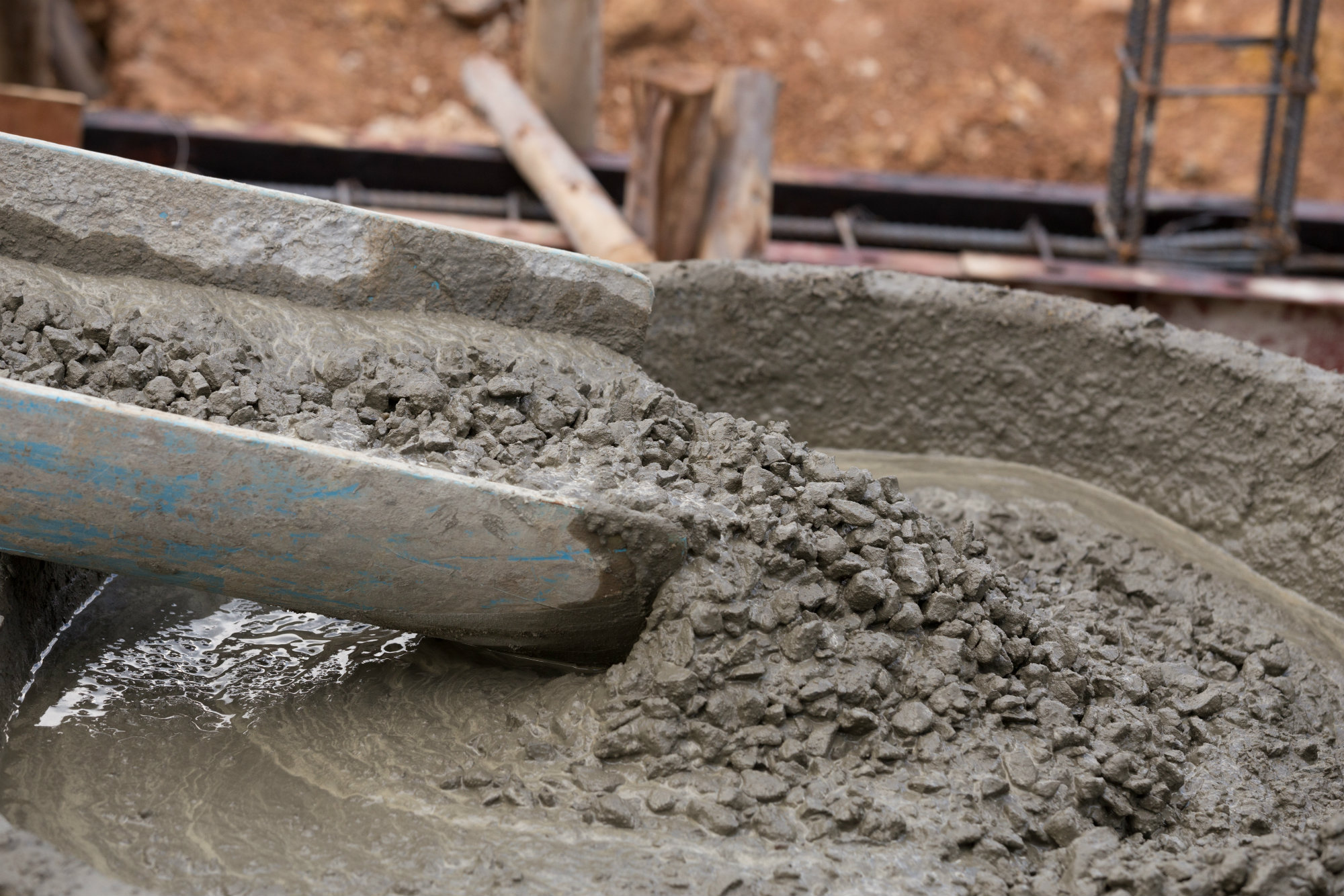
Satellites orbiting hundreds of miles above don't care about geopolitics. They care about light, shadow, and geometry. To a mechanical eye in the thermosphere, the earth is just a canvas of pixels, and lately, those pixels have been shifting in ways that keep analysts awake long past midnight. Fresh truck tracks slice through ancient dust. Piles of excavated aggregate swell like dark dunes against the pale rock. Massive concrete batch plants churn day and night, their engines thrumming against the silence of the desert.
This is the Pickaxe site. Further insight regarding this has been shared by The Guardian.
To the casual observer scrolling through defense briefs, it is just another pin on a map of the Middle East, a subterranean complex buried so deep that ordinary munitions glance off it like rain against armor. But numbers and coordinates strip away the human weight of what is happening. They sanitize the reality. Let us talk about what those pixels actually mean for the flesh-and-blood world.
Imagine standing inside that mountain right now.
The air is thick with the fine, choking dust of pulverized rock and wet cement. Headlights cut through the gloom, bouncing off jagged walls where heavy machinery has carved out caverns large enough to swallow entire battalions of trucks. Workers shout over the deafening roar of pneumatic drills, their faces caked in gray sludge, their eyes bloodshot from twelve-hour shifts. They are pouring reinforcement floors that are meters thick, installing blast doors designed to withstand shockwaves that would liquefy human organs, and running miles of fiber-optic cable through damp tunnels.
They are building a fortress against the future. Or perhaps, they are building the very catalyst that brings it closer.
For months, the drums of confrontation have beaten louder between Washington and Tehran. Every diplomatic breakdown, every troop deployment, every fiery speech delivered behind polished wooden podiums ripples outward, landing with terrifying weight in places like this. The construction surge at Pickaxe is not happening in a vacuum. It is a frantic, desperate reaction to the shadow of American air power hovering just beyond the horizon.
When a nation feels the cold muzzle of a superpower pressed against its temple, it digs. It burrows into the earth, seeking the absolute security of stone and steel.
History is littered with the ghosts of underground sanctuaries. From the hardened bunkers of the Cold War to the deeply buried nuclear facilities of modern proliferators, the human impulse when cornered is always the same: hide. Pull the roof of the world down over your head and hope the storm passes over.
Yet, as the satellite imagery reveals an undeniable acceleration at Pickaxe—heavy equipment arriving by the convoy, earthmoving operations expanding outward, security perimeters tightening like a tourniquet—a sobering truth emerges. You cannot hide an ambition this large. Every truckload of gravel hauled out of that mountain is a declaration. Every freshly poured retaining wall is a signal to the world that the calculus of deterrence is shifting.
Consider what happens next.
When underground sites reach this scale of operational readiness, they stop being mere defensive shelters. They become nerve centers. They become the heartbeat of a nation's most sensitive, heavily guarded capabilities, tucked safely away from the prying eyes of cruise missiles and stealth bombers. And because they are hidden, because their exact inner layouts remain a riddle wrapped in bureaucratic secrecy, they breed a toxic brand of paranoia in the command centers of adversaries.
If you cannot see inside, you must assume the worst. If you must assume the worst, you must build bigger hammers to crack the shell.
This is the vicious, self-fulfilling geometry of modern defense. One side pours concrete into a mountain; the other side pours billions into designing heavier, deeper-penetrating ordnance to punch through it. The mountain gets deeper. The bomb gets heavier. The tension ratchets upward, notch by notch, until the machinery of war is so tightly wound that a single stray spark could strip the gears.
We have watched this tragic play before. We know its acts by heart.
The men and women designing the targeting vectors in air-conditioned operations rooms thousands of miles away study the same satellite feeds as the engineers supervising the excavation. They measure the shadows of the haul trucks. They calculate the cubic yards of removed earth. They run simulations to determine the exact payload required to collapse a tunnel portal buried a hundred meters beneath solid rock.
They do not think about the dust in the workers' lungs. They do not think about the families living in the small farming villages scattered across the valleys below, children who look up at the sky and wonder when the distant thunder will finally turn into something real.
The satellite photos of Pickaxe show a site swelling with activity, but they also show something much darker: the hardening of human division. Every ton of steel bolted into those subterranean arches is an admission of failure. It is a monument to the profound inability of nations to talk their way out of a collision course.
Deep underground, the drills keep turning. High above, the lenses keep watching. And the mountain waits, silent and heavy, holding its breath for a weight it was never meant to bear.