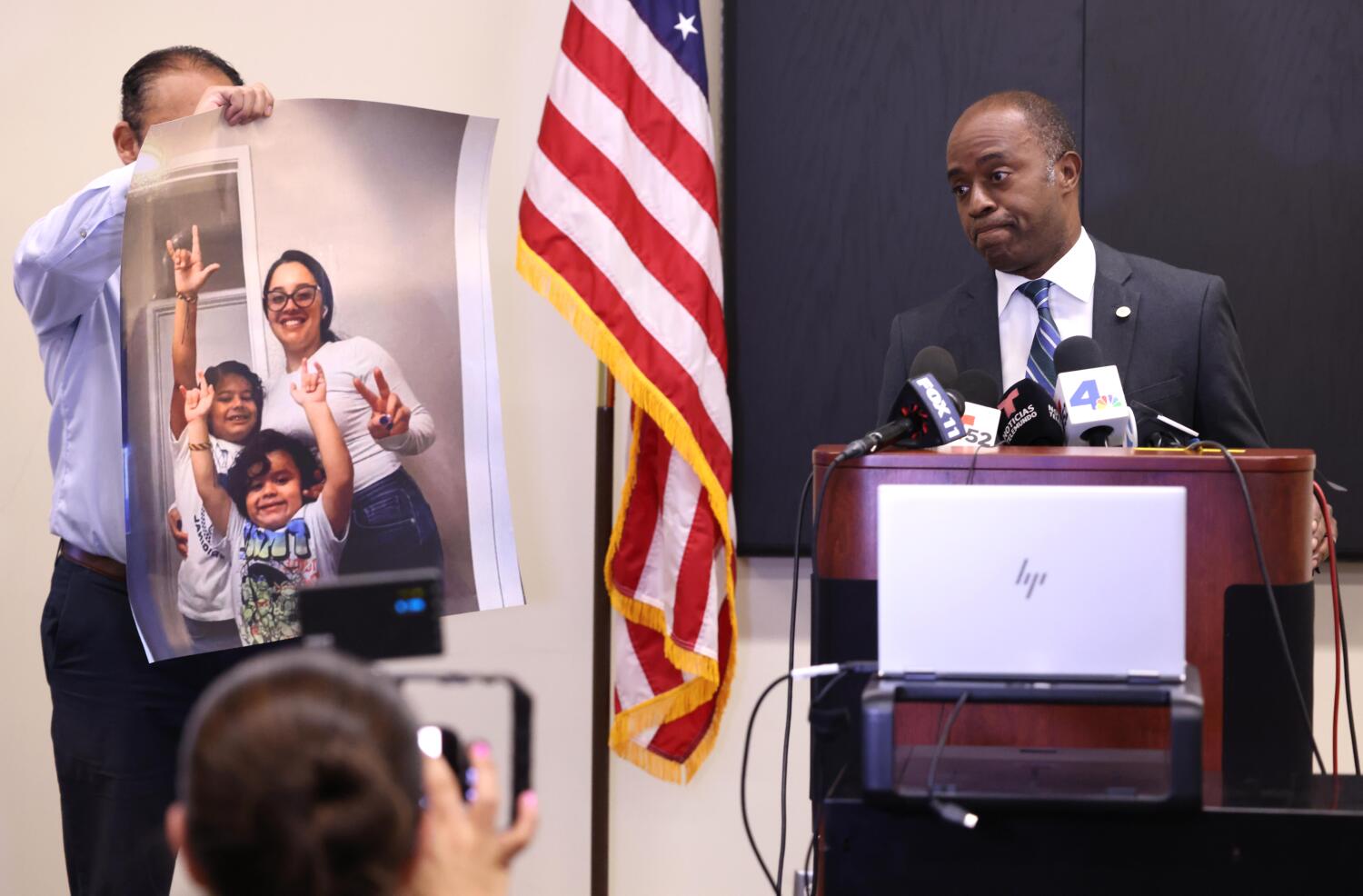
The headlines are designed to make you flinch. A six-year-old deaf boy, snatched from the safety of an American clinic and dumped into the medical wasteland of Colombia, where his attorney claims he will surely die. It is a narrative built on high-octane empathy and low-resolution facts. It is the kind of story that wins Pulitzers but loses the argument on how a functioning nation-state actually manages a border.
If you feel a knot in your stomach reading about a sick child facing deportation, the journalists have done their job. But if you think that emotional reaction is a substitute for a coherent immigration policy, you have been played. We are currently trapped in a cycle of "outrage-based adjudication," where the loudest tragedy dictates the rule of law. It is a system that rewards the most photogenic suffering while ignoring the structural collapse of the entire framework.
The Myth of the Medical Vacuum
The competitor’s narrative relies on a singular, unchallenged premise: that leaving the United States is a death sentence for anyone with a chronic condition. This is the "Medical Exceptionalism" myth. It suggests that outside the 50 states, the rest of the world—specifically South America—is a pre-industrial void where doctors don't exist and medicine is a rumor.
Colombia is not a medieval fiefdom. It possesses a healthcare system that, while strained, provides universal coverage through its Entidades Promotoras de Salud (EPS). In fact, Colombia’s healthcare system has historically been ranked by the World Health Organization as more efficient and accessible than many developed nations, including parts of the U.S. when you factor in cost-prohibitive insurance barriers.
When an attorney says a child "could die" without American intervention, they aren't providing a clinical prognosis. They are using a legal lever known as Medical Deferred Action. I have seen lawyers lean on this for decades. It is a valid strategy for an individual client, but as a public policy argument, it’s a distraction. The "lazy consensus" here is that the U.S. is the only place on earth capable of keeping a deaf child alive. It’s a savior complex masquerading as reporting.
Hard Truths About Selective Enforcement
Why does this specific case matter? Because it highlights the "lottery of optics."
There are thousands of children with profound disabilities currently living in Bogotá, Medellín, and Cali. They go to school, they receive cochlear implants, and they access specialized care. By insisting that this one child must stay, we are implicitly stating that his life is inherently more valuable than the millions of others already in Colombia, simply because he managed to cross a line on a map.
If the standard for staying in the U.S. is "I can get better healthcare here," then we have effectively abolished the border for the 2 billion people worldwide living with chronic health issues.
- The Logistical Reality: You cannot run a sovereign nation based on individual exceptions.
- The Ethical Blind Spot: Every resource spent fighting a high-profile "heartbreak case" in court is a resource diverted from processing the hundreds of thousands of low-profile asylum seekers who have been waiting in limbo for five years.
- The Moral Hazard: When you signal that medical frailty is a fast-track to residency, you incentivize families to put sick children through the trauma of illegal transit. You are literally subsidizing the endangerment of the most vulnerable.
Dismantling the Attorney’s Narrative
Attorneys have one job: zealously represent their client. They are not objective observers. They are paid to catastrophize. When a legal representative says a child "could die," it is a tactical move intended to trigger a public outcry that pressures the Department of Homeland Security (DHS) to blink.
In the industry, we call this "shaming the shield." It works because the government is terrible at PR. But look at the data. The U.S. regularly deports individuals with medical needs. The vast majority do not die. They integrate into their home country’s health systems.
Let’s run a thought experiment. Imagine a scenario where the U.S. grants permanent residency to every person who enters with a medical condition that requires specialized care. Within eighteen months, the public health infrastructure of border states like Texas and California would face a total fiscal cardiac arrest. We are already seeing the tremors of this in the massive budget deficits of "Sanctuary Cities" that cannot keep up with the basic housing and health needs of new arrivals.
True compassion isn't letting one person skip the line because they have a compelling story. True compassion is a boring, efficient, and predictable legal system that applies the same rules to the sick and the healthy alike.
The False Choice of the "Death Sentence"
The competitor article wants you to choose between being a monster and being a saint. Either you support the deportation and "kill" the boy, or you support his stay and "save" him.
This is a false dichotomy. There is a third option: International Medical Coordination.
Instead of turning every medical case into a binary "Stay or Die" legal battle, the focus should be on the continuity of care during the repatriation process. The U.S. has the capacity to coordinate with the Colombian Ministry of Health to ensure that specialized records and initial medications are transferred.
We don't do this because it doesn't make for a good headline. It’s not "bold." It doesn't allow for the "heartless ICE agent" trope. But it is the only way to maintain the integrity of a border while acknowledging the humanity of the individual.
The Cost of the Emotional Discount
Every time a "contrarian" like myself speaks up, the immediate reaction is an accusation of cruelty. But let’s talk about the cruelty of the current status quo.
By prioritizing cases based on their "viral potential," we are creating a two-tier immigration system.
- Tier One: The photogenic, the tragic, and the media-savvy. They get the pro-bono lawyers and the CNN segments.
- Tier Two: The 40-year-old laborer with a clean record and a family who has been waiting for a green card for 12 years. He gets deported on a Tuesday morning with zero fanfare because his story doesn't "move the needle."
The obsession with the 6-year-old deaf boy is a symptom of a society that has traded objective law for subjective feelings. We are burning down the house of cards that is our immigration policy to save a single playing card.
Stop Asking if He "Should" Stay
The "People Also Ask" sections of the internet are filled with variations of: "Is it legal to deport a sick child?"
The answer is yes. It is legal. It is also common. The question you should be asking is: "Why is our immigration system so broken that 'being sick' is considered a viable legal strategy for entry?"
When we allow medical status to become a loophole, we aren't being "kind." We are being incompetent. We are telling the world that our laws are optional if you can produce a doctor's note that makes a judge cry.
The Brutal Bottom Line
The attorney in this case is doing their job. The journalists are doing theirs. They are selling you a tragedy.
My job is to tell you that the tragedy isn't the deportation of one child to a country with a functioning healthcare system. The tragedy is a nation that refuses to enforce its own borders because it is too scared of a bad news cycle.
If you want to help children in Colombia, donate to international NGOs that build clinics in the Global South. Don't demand that the U.S. immigration system transform into a global HMO. It can't handle the burden, and it was never designed to.
Stop letting your heart dictate your stance on national sovereignty. It’s a recipe for chaos, and in the end, the chaos hurts far more people than a single deportation ever could.
Fix the law. Close the loopholes. Stop the theatrics.
Would you like me to analyze the specific medical infrastructure of Colombia to further debunk the "medical death sentence" narrative?