Borders on maps are just lines. On the ground, they mean nothing. Armed groups cross them every single day.
An indigenous leader in Venezuela disappears. Days later, his body turns up. Colombian guerrillas are behind it. This isn't an isolated tragedy. It’s a symptom of a much deeper war bleeding across international frontiers while governments look the other way.
The Deadly Cost of Cross-Border Criminal Control
You don't hear enough about what happens in the remote borderlands between Colombia and Venezuela. It’s lawless. Armed factions like the National Liberation Army (ELN) and dissident factions of the FARC treat the jungle as their personal highway. They smuggle drugs, extract illegal gold, and terrorize local populations.
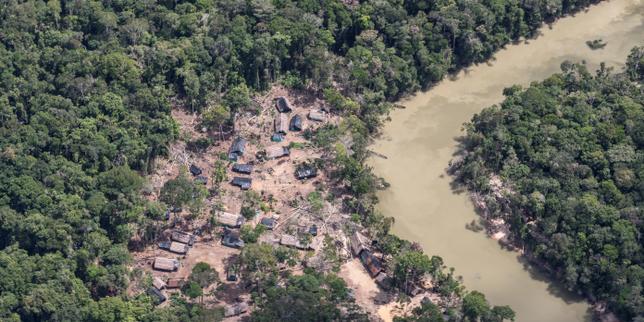
When indigenous communities try to protect their ancestral territories, they get targeted. They have no heavy weapons. They have no state protection. They just have their traditions and their community ties. That’s no match for assault rifles.
The murder of a native leader in this region exposes a grim reality. Armed outsiders act with total impunity. They treat indigenous land as a tactical asset. If a community leader stands up against extortion or forced recruitment, they get eliminated. Period.
Why the Venezuelan State Fails to Protect Native Populations
Caracas has a lot to say about sovereignty on television. On the ground in the Amazon and the border states like Amazonas and Apure, state presence is weak or complicit. Local authorities often turn a blind eye to irregular armed groups. Sometimes, they coordinate with them.
Think about the sheer scale of abandonment. These communities live hours away from the nearest hospital, let alone a functioning police station. When Colombian guerrillas kidnap a local figure, the community has to search the jungle themselves. They find the body before the authorities even launch an investigation.
That failure isn't accidental. It’s institutional. The central government relies on various armed actors to maintain control of lucrative illegal mining economies. Indigenous groups stand in the way of those profits.
The Broader Humanitarian Crisis in the Amazon
It's not just about one murder. It's about a systematic displacement of native peoples. Whole villages face constant threats. Young people get forced into the ranks of the rebels. Traditional hunting and fishing grounds get mined or polluted by toxic mercury from illegal gold extraction.
Human rights organizations operating in the region have documented rising violence for years. The numbers are grim. Thousands of indigenous people have fled across borders or deep into the dense jungle to escape the crossfire.
When an indigenous community loses a leader, it loses its institutional memory. Elders hold the knowledge of the land, the language, and the survival skills. Killing a chief is a deliberate strategy to break the spirit of the entire community.
What Actually Needs to Happen Now
Condemnations on social media change nothing. Diplomatic statements from foreign capitals ring hollow to people dodging bullets in the rainforest.
Real protection requires international pressure that goes beyond vague diplomatic notes. Border security cooperation between neighboring nations has to prioritize human rights over political posturing. If governments keep treating border regions as expendable buffer zones, the violence will only spread further inland.
Support the local human rights defenders who risk their lives documenting these abuses. Amplify the voices of indigenous councils demanding autonomy and protection. Stop looking away just because the crisis happens deep in the jungle where cameras rarely reach.
The bleeding won't stop until the people pulling the triggers face actual consequences. Until then, the jungle remains a graveyard for those who only wanted to protect their home.