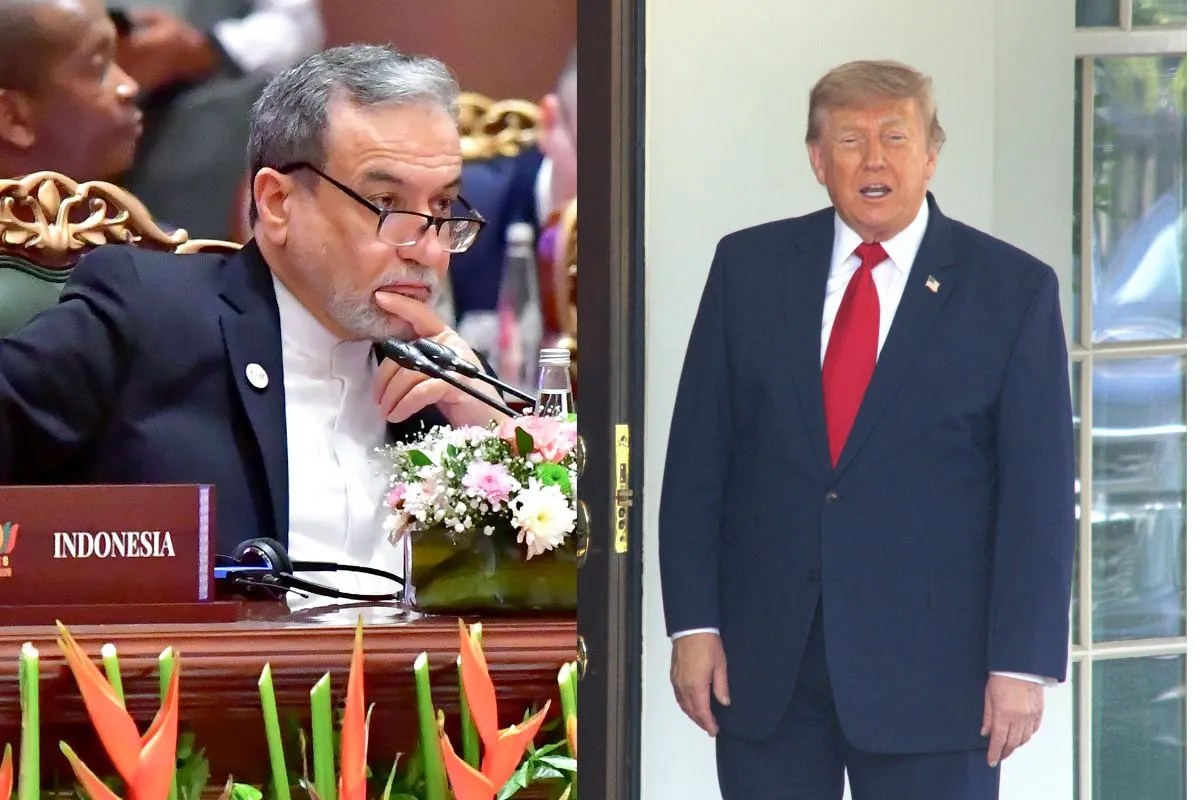
The headlines scream about impending doom in the Persian Gulf every time an Iranian official opens their mouth. Abbas Araghchi drops a line about mistrusting Washington and preparing for total annihilation, and the global media treats it like a countdown clock to Armageddon. Tankers panic, insurance rates spike, and desk-bound pundits nod solemnly about the imminent closure of the Strait of Hormuz.
It is theatre. Expensive, high-stakes geopolitical theatre designed to extract concessions, move oil prices, and placate domestic hardliners. Anyone who thinks Tehran is genuinely preparing to pull the plug on the world's most critical energy chokepoint is ignoring basic economic reality, military physics, and Iran's own survival instinct.
Let us dismantle the lazy consensus.
The Economic Suicide Pact Nobody Talks About
The prevailing narrative treats the Strait of Hormuz as a simple valve that Iran can turn off whenever it feels cornered. Shut the strait, choke off twenty percent of global petroleum supply, bring the West to its knees. Simple, right?
Except Tehran forgets one tiny detail. Iran sells oil to live.
More than eighty percent of Iran's petroleum exports flow directly through that exact same maritime corridor, overwhelmingly bound for Asian markets like China. If the Islamic Republic mines or blocks the strait, it does not just starve Europe and America of crude. It commits immediate financial hari-kari by locking its own economic lifeline inside the Gulf.
When you run an economy battered by sanctions and inflation, you cannot afford to self-inflict a total blockade. The regime in Tehran understands math. They know that a complete closure triggers an immediate implosion of their own fiscal reserves within weeks. Araghchi knows it. The Revolutionary Guard knows it. The bluster about absolute closure is a negotiating tactic, not an operational plan.
The Military Reality of a Three-Day Clearing Operation
Let us look past the political rhetoric and examine the tactical chessboard. For years, defense analysts have treated Iran's asymmetric naval swarm tactics and anti-ship missile batteries as an invincible shield over the strait.
I have spent years dissecting defense budgets and naval logistics in closed-door briefings. The reality on the ground is far less cinematic.
The United States Navy and its regional partners do not need weeks to clear a closed strait; they have pre-positioned mine countermeasures, carrier strike groups, and rapid-response aviation designed specifically to neutralize regional choke points. If Tehran attempts a genuine, sustained closure, the entire coastal infrastructure supporting those missile batteries and fast attack craft becomes a smoking crater in under seventy-two hours.
The asymmetric threat is real, but it is a weapon of deterrence, not a weapon of execution. Deploying it means crossing the threshold from managed tension into total war, a conflict that the Iranian military leadership knows it cannot win, survive, or outlast. They want leverage, not a parking lot where their capital used to be.
Decoding the Araghchi Doctrine
When Abbas Araghchi speaks of profound mistrust toward Washington and readiness for a catastrophic war, he is speaking two languages at once.
To the domestic audience in Tehran, it is about revolutionary posture. No senior Iranian diplomat can afford to sound accommodating after decades of maximum pressure and targeted strikes. Showing weakness invites internal challengers and fractures the hardliner coalition that keeps the regime stable.
To Washington and Brussels, it is a high-decibel warning shot. It translates to: do not push us into a corner where we have nothing left to lose, because our asymmetric retaliation will hurt you enough to make the juice not worth the squeeze.
It is brinkmanship, textbook and classic. The mistake is taking the rhetoric as a roadmap. The strategic objective is relief from sanctions, recognition of regional influence, and deterrence against further escalation. Slamming the door on global commerce achieves the exact opposite of every strategic goal Tehran holds dear.
Stop Reading the Choke Point Panic
Every time oil markets react to fiery quotes from Tehran, wealth is transferred from the paranoid to the pragmatic. The market is pricing in a physical disruption that defies every structural incentive Iran possesses.
Look past the apocalyptic framing of regional desk officers and think about structural self-preservation. Dictatorships and ideological states love survival above all else. When your survival depends on moving crude through a narrow strip of water, you do not drop a boulder in the middle of it.
The next time a senior official threatens total destruction and the closure of the global energy artery, check the oil futures, check Iran's export ledgers, and remember who suffers most when the tankers stop moving.
The strait stays open because closing it is signing your own death warrant.


