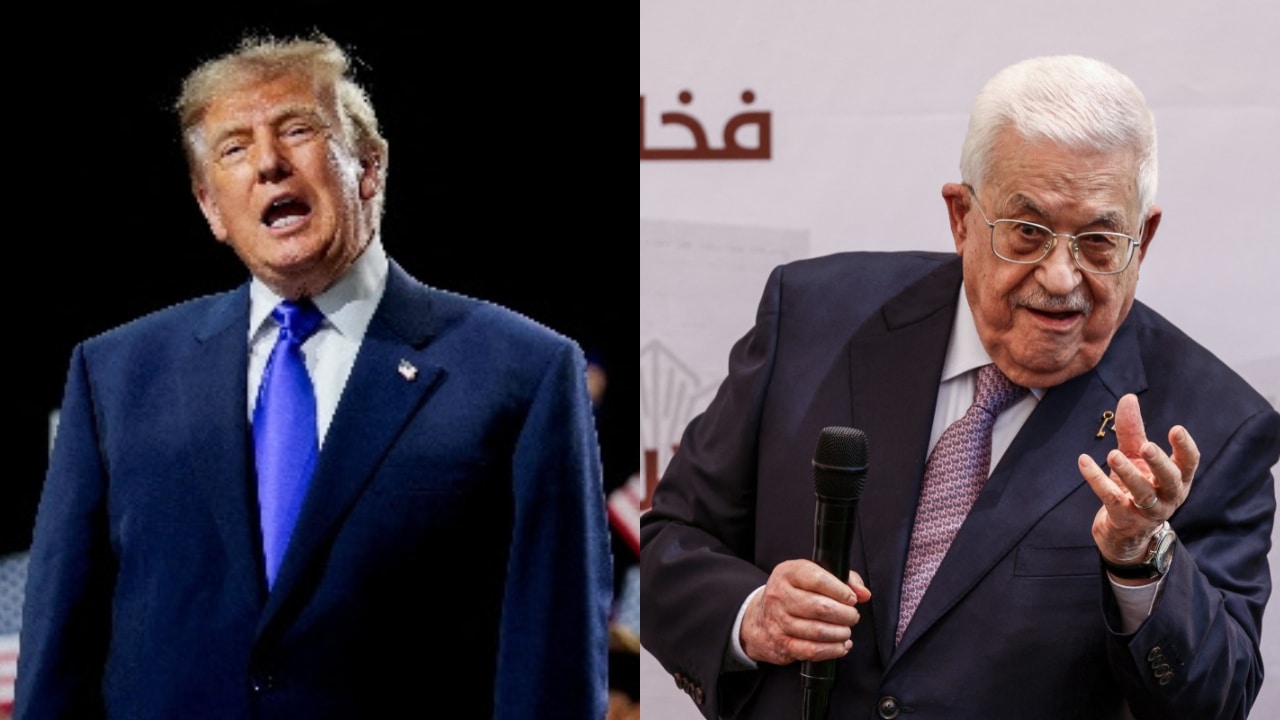
For the second consecutive year, the United States government has blocked Palestinian Authority President Mahmoud Abbas and key members of his delegation from entering the country to attend the annual United Nations General Assembly in New York. The State Department justified the restriction by pointing to what Washington characterizes as ongoing diplomatic failures and moves toward unilateral recognition that bypass structured peace negotiations.
This recurring bureaucratic lockout highlights a deeper, systemic vulnerability within the architecture of international diplomacy. When the host nation of the global body assumes unilateral control over physical access to that body, the boundary between sovereign immigration enforcement and geopolitical censorship dissolves entirely.
The Headquarters Agreement of 1947 governs the relationship between the United Nations and the United States. Under standard legal interpretations, the host country is obligated to permit representatives of member and observer states entry to the headquarters district for official business. Yet, Washington routinely invokes national security exceptions under the Immigration and Nationality Act to deny entry to foreign officials whose presence it deems unpalatable or counter to its foreign policy objectives.
This mechanism transforms a routine visa application into a potent instrument of coercion. By shutting out the primary political leadership of the Palestinian delegation, the host nation effectively determines who gets to speak on the global stage and who is relegated to a prerecorded video broadcast from Ramallah.
Last year, Abbas delivered his address via video. This autumn, the routine repeated itself, with the 90-year-old leader broadcasting remarks that condemned international silence and questioned the continued supply of weapons fueling ongoing regional devastation. While the technological workaround ensures a technical presence, it strips away the physical weight of diplomacy. Video feeds cannot negotiate in the corridors, cannot hold bilateral meetings over coffee, and cannot command the immediate physical gravity of the assembly hall.
The timing of these denials reflects a broader diplomatic freeze. Washington asserts that the Palestinian Authority has failed to fulfill structural reform commitments and continues to pursue statehood through international bodies rather than direct bilateral talks with Israel. Critics of the visa ban, however, argue that penalizing diplomacy runs counter to any stated desire for a peaceful resolution. When communication channels are choked off by domestic visa gatekeeping, the possibility for meaningful diplomatic breakthroughs diminishes.
Furthermore, this dynamic exposes the structural fragility of housing the United Nations within a single powerful member state. Calls to relocate international headquarters away from New York surface predictably whenever the host nation weaponizes access against adversaries or inconvenient actors. While moving the UN remains a logistical impossibility, each instance of visa denial chips away at the institutional legitimacy of the body. If a recognized observer state cannot physically send its head of state to address the assembly, the universal character of the institution is severely compromised.
Diplomacy requires proximity. It requires the uncomfortable friction of adversaries occupying the same room, forced to listen to perspectives they despise. By substituting bureaucratic visa rejections for engagement, the host nation signals a preference for managing conflict through exclusion rather than confrontation at the negotiating table. As long as national immigration policy overrides international representation, the podium in New York will remain open only to those who clear Washington's vetting standards.