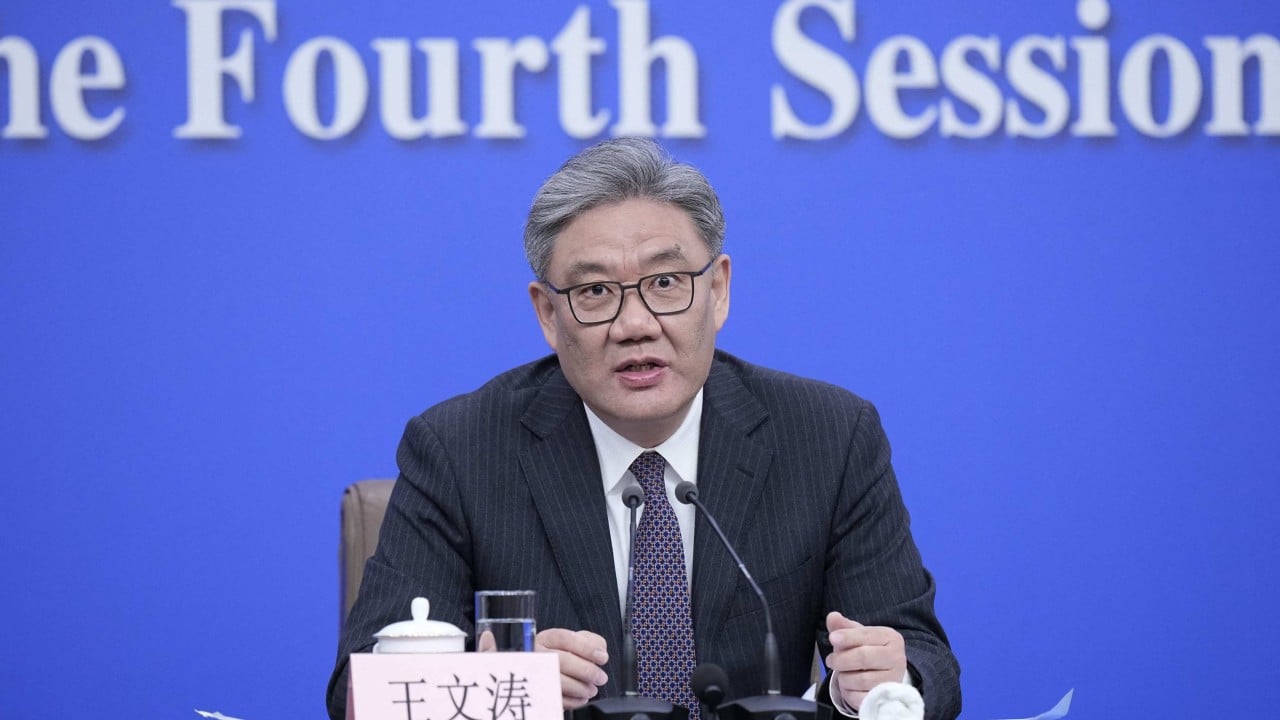
The global financial press is currently obsessed with a phantom. They call it the "China Shock 2.0." The narrative is predictably lazy: Beijing is flooding the world with cheap EVs, solar panels, and lithium batteries because domestic demand has cratered. In response, Chinese officials are now "vowing" to expand imports to balance the scales and soothe the nerves of panicked trading partners.
It is a beautiful piece of theater. It is also a lie.
If you believe Beijing’s sudden interest in "balancing trade" is a sign of a shifting economic philosophy, you are being played. I have spent two decades watching these policy cycles play out from the inside of trade delegations and manufacturing hubs. The "import expansion" promise is not a pivot. It is a tactical stall. It is a way to keep the doors of global markets cracked open just long enough for Chinese industrial dominance to become irreversible.
The Myth of the Reluctant Exporter
The mainstream consensus argues that China’s export surge is a desperate reaction to a dying property market. The logic goes like this: "The apartments stopped selling, so they had to build more factories to keep GDP growth alive."
This fundamentally misunderstands the CCP’s long-term blueprint. China didn't "fall into" an export-heavy model because of a real estate crisis. They intentionally built an overcapacity machine over the last decade. The property crash merely accelerated the timeline.
Beijing’s goal has never been a balanced consumer economy like the United States. Their goal is total dominance of the global supply chain for the "New Three" technologies: electric vehicles, batteries, and renewables.
When a Chinese official promises to buy more of your goods, they aren't looking for your consumer products. They aren't interested in your luxury handbags or your mid-market appliances. They are looking for the specific high-end components, raw materials, and precision machinery required to fuel their own manufacturing engine.
The "Import" Trap
Let's dismantle the term "expanding imports." In a healthy, two-way trade relationship, an increase in imports signifies a growing domestic consumer base with disposable income. In China’s current state, "expanding imports" is a euphemism for "strategic procurement."
Look at the data. While the headlines scream about China’s commitment to global trade, the composition of those imports is shifting. They are buying fewer finished goods and more intermediate commodities.
Imagine a scenario where a neighbor tells you they want to "support your business" by buying more of your flour. You’re thrilled until you realize they are using that flour to bake bread that they then sell at half-price to all your other customers, eventually putting you out of business. That is the "China Shock" in a nutshell. They aren't importing to consume; they are importing to compete.
Why "China Shock 2.0" is Different
The original China Shock in the early 2000s hit low-end manufacturing—toys, textiles, basic electronics. The West wrote it off as the "natural evolution" of the global economy. We told ourselves we would keep the high-value "knowledge work" while China handled the "dirty work."
We were wrong.
The current surge is aimed directly at the heart of Western industrial pride. We are talking about the automotive sector in Germany, the aerospace industry in France, and the semiconductor ambitions of the United States.
Beijing’s pledge to import more is a calculated move to prevent the "Wall of Tariffs" from closing in. By offering small concessions—buying a few more Boeings or lowering tariffs on European wine—they buy another six months of unrestricted access for their EV brands like BYD and Xiaomi.
- The Concession: "We will buy $10 billion more in agricultural products."
- The Reality: They use that time to export $50 billion worth of subsidized EVs that permanently erode the market share of Ford, Volkswagen, and Renault.
The Fallacy of the Chinese Consumer
Economists keep waiting for the "Chinese Consumer" to save the day. They point to the massive household savings in China and pray for a "revenge spending" spree that will suck in global imports.
It isn't happening.
The Chinese social safety net—or lack thereof—mandates high savings. Without a radical overhaul of the pension and healthcare systems, the Chinese middle class will continue to sit on their cash. Beijing knows this. They have no intention of building a Western-style welfare state. They would rather plow that capital into state-owned enterprises (SOEs) and industrial subsidies.
When you hear a "vow to expand imports," ask yourself: Who is doing the buying? If it’s the state, it’s a strategic play. If it’s the consumer, it’s a sign of health. Currently, it is almost exclusively the former.
The Subsidy Loophole
The West is currently obsessed with "Leveling the Playing Field." We think that if we can just prove China is subsidizing its industries, we can win a WTO case and things will go back to normal.
This is naive. China has perfected the art of the "Invisible Subsidy." It isn't just direct cash transfers. It’s land grants, dirt-cheap electricity, and state-mandated bank loans with interest rates that would make a Western CFO weep.
When China "opens its markets" to your imports, they often do so in sectors where they have already ensured no foreign firm can possibly compete on price. They invite you to the game only after they’ve bought the referees and the stadium.
What "People Also Ask" Gets Wrong
If you search for "Will China's economy recover?", you get a bunch of dry reports about GDP targets and interest rate cuts. The question itself is flawed. "Recover" to what? The 10% growth era is dead. The better question is: "Will China successfully export its way out of a domestic slump?"
The answer is yes, but only if the rest of the world remains gullible enough to believe the "import expansion" rhetoric.
Another common query: "Are China's EVs better than Tesla's?"
This is the wrong metric. They don't have to be better; they just have to be subsidized enough to make the price difference irresistible. By the time Western infrastructure catches up, the standards (charging ports, software ecosystems, battery recycling) will already have been set by the dominant Chinese players.
The Strategy for Survival
If you are an executive or an investor, you need to stop reading the official communiqués from the Ministry of Commerce. They are noise.
- Watch the Input, Not the Output: Don't look at China's export numbers. Look at their internal capital expenditure (CapEx) in manufacturing. If CapEx is rising while domestic retail sales are flat, they are gearing up for a global dump.
- Identify "Predatory Imports": If China is suddenly eager to import your product, ask if that product helps them build a competing industry. If you sell them the "seeds," don't be surprised when they own the "harvest."
- Hedge Against Devaluation: Beijing’s most potent tool in an export war is the Yuan. If the "import vow" fails to stop tariffs, expect a controlled devaluation to keep their goods cheap, regardless of trade barriers.
The "China Shock" isn't a bug in the global system; it’s the intended output of a state-capitalist model that has no interest in the "liberal world order."
Stop waiting for China to become a "responsible stakeholder" that buys your finished goods. They have spent forty years learning how to build everything you make, better and cheaper, using the very tools you sold them during their last "import expansion" phase.
The vow to import more is not an olive branch. It is a smokescreen.
Turn off the news and watch the ships. If the containers leaving Shanghai are full of high-tech machinery and the containers arriving are full of raw ore and scrap metal, you know exactly where this story ends.
Don't say you weren't warned.