Australia’s fuel tanks are running on a knife’s edge, and the solution sits in Beijing. If you think the trade relationship between Canberra and China is just about iron ore and wine, you’re missing the most critical piece of the puzzle: jet fuel.
Recent bilateral talks have signaled a resumption of Chinese jet fuel shipments to Australia. It’s a move that highlights a brutal reality. Despite all the talk of "de-risking" and "sovereign capability," Australia remains tethered to Chinese refineries to keep its planes in the air. You might also find this similar article useful: Samsung Labor Crisis and the Price of Record Profits.
The dependency nobody wants to talk about
We’ve spent years hearing about Australia’s need to diversify its trade. But the numbers tell a different story. In 2025, China supplied roughly 32% of Australia's jet fuel. That’s nearly a third of every liter burned by domestic and international flights taking off from Sydney or Melbourne.
When Beijing restricted refined oil exports in March 2026 to protect its own domestic supply, the impact was immediate. Australia's jet fuel reserves dipped to 30 days of normal consumption. We weren't just looking at higher ticket prices; we were looking at a potential systemic collapse of the aviation sector. As highlighted in recent coverage by CNBC, the implications are worth noting.
You don't fix a 1.5 million metric ton hole in your supply chain overnight. While shipments from Los Angeles have started trickling in—the first significant US jet fuel imports in two years—they're a drop in the ocean compared to what China provides. The logistics of hauling fuel across the Pacific from California are a nightmare compared to the established routes from Chinese state-owned refineries.
Why the jet fuel deal matters more than iron ore
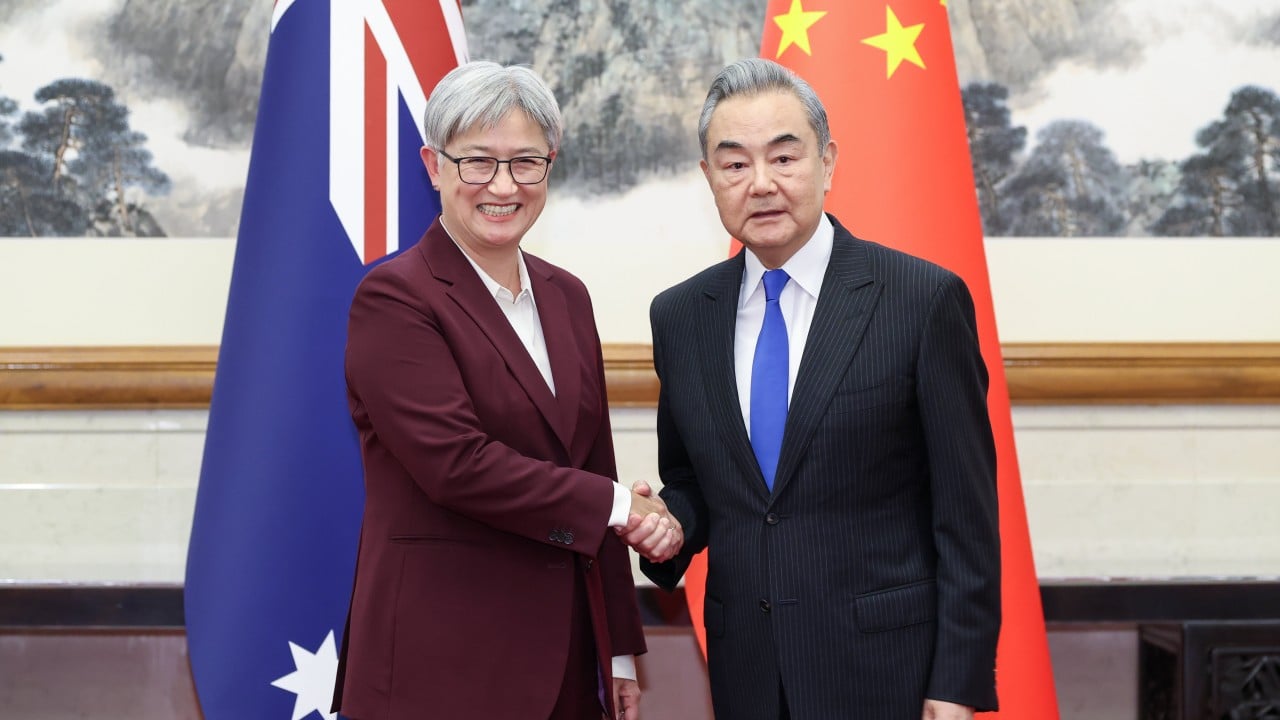
Iron ore is about China’s growth. Jet fuel is about Australia’s survival. Foreign Minister Penny Wong’s recent emphasis on "mutual dependence" isn't just diplomatic fluff. It’s a calculated reminder to Beijing: if we don’t get your fuel, you don’t get our iron ore, coal, or LNG.
It’s a high-stakes game of chicken. China’s state-owned refiners are currently sitting on the highest refining margins for jet fuel they’ve seen in years. They want to sell. Australia desperately needs to buy. This isn't a gesture of goodwill; it's a cold, hard commercial transaction that serves both national interests while the Middle East remains a powder keg.
The Middle East factor
The ongoing conflict in the Middle East has messed up global crude flows. Refiners across Asia have been forced to cut operation rates. When the supply gets tight, countries look inward. China’s decision to issue a 500,000 metric ton export quota for May 2026 is a lifeline. Without it, the "Minimum Stockholding Obligation" that the Australian government touts would be nothing more than a countdown clock to a crisis.
Canberra’s impossible balancing act
The Albanese government is walking a tightrope that's greased with oil. On one hand, they’re deepening military ties with the US through AUKUS. On the other, they’re pleading with Beijing to keep the taps open.
Critics argue that relying on an adversarial power for 30% of your aviation fuel is a national security failure. They’re right. But what’s the alternative? Australia’s domestic refining capacity is a shadow of its former self. We’ve traded the security of local production for the efficiency of the global market. Now, we’re paying the price in the form of strategic vulnerability.
I’ve seen this play out before in other sectors, but energy is different. You can’t wait six months for a new "partner" to build a refinery. You either have the fuel, or the planes stay on the tarmac.
The myth of easy diversification
Don't buy the narrative that Australia can just "pivot" to Singapore or South Korea. Singapore is already Australia’s largest supplier of refined products, but they’re also feeling the squeeze of global crude disruptions.
- Infrastructure limits: Australian ports and storage facilities are geared toward specific trade routes.
- Cost of logistics: Sourcing from the US or Europe adds weeks to delivery times and millions to the bill.
- Refining margins: Chinese refineries are currently optimized for the specific grades of fuel Australia requires.
The recent telephone call between Prime Minister Anthony Albanese and Premier Li Qiang wasn't just a "check-in." It was a recognition that the 2026 APEC meeting and the future of the bilateral Free Trade Agreement depend on these basic commodities flowing freely.
What happens if the taps turn off again
If China decides to prioritize its own 2026-2030 Five-Year Plan objectives—which focus heavily on domestic consumption—Australia’s fuel security could vanish in a weekend. We’re currently hovering around 30 to 38 days of stock for various fuels. That's a razor-thin margin for a country that is essentially an island at the end of a very long supply chain.
The real "balancing act" isn't about choosing between Washington and Beijing. It’s about managing a transition where we stop pretending we’re self-sufficient. We aren't. We're a customer. And right now, China is the only shop on the block with the inventory we need.
If you’re a business owner or a traveler, don't expect fuel prices to stabilize just because a deal was struck. The volatility is structural. Expect more "atypical market" sourcing—like those expensive shipments from LA—to become the new normal as Australia tries to buy its way out of a corner.
Keep an eye on the export quotas coming out of Beijing this June. If those numbers drop, the balancing act gets a lot more dangerous. Your next move? If you're in logistics or heavy industry, audit your fuel surcharges now. The "stability" we're seeing is a temporary truce, not a permanent solution.