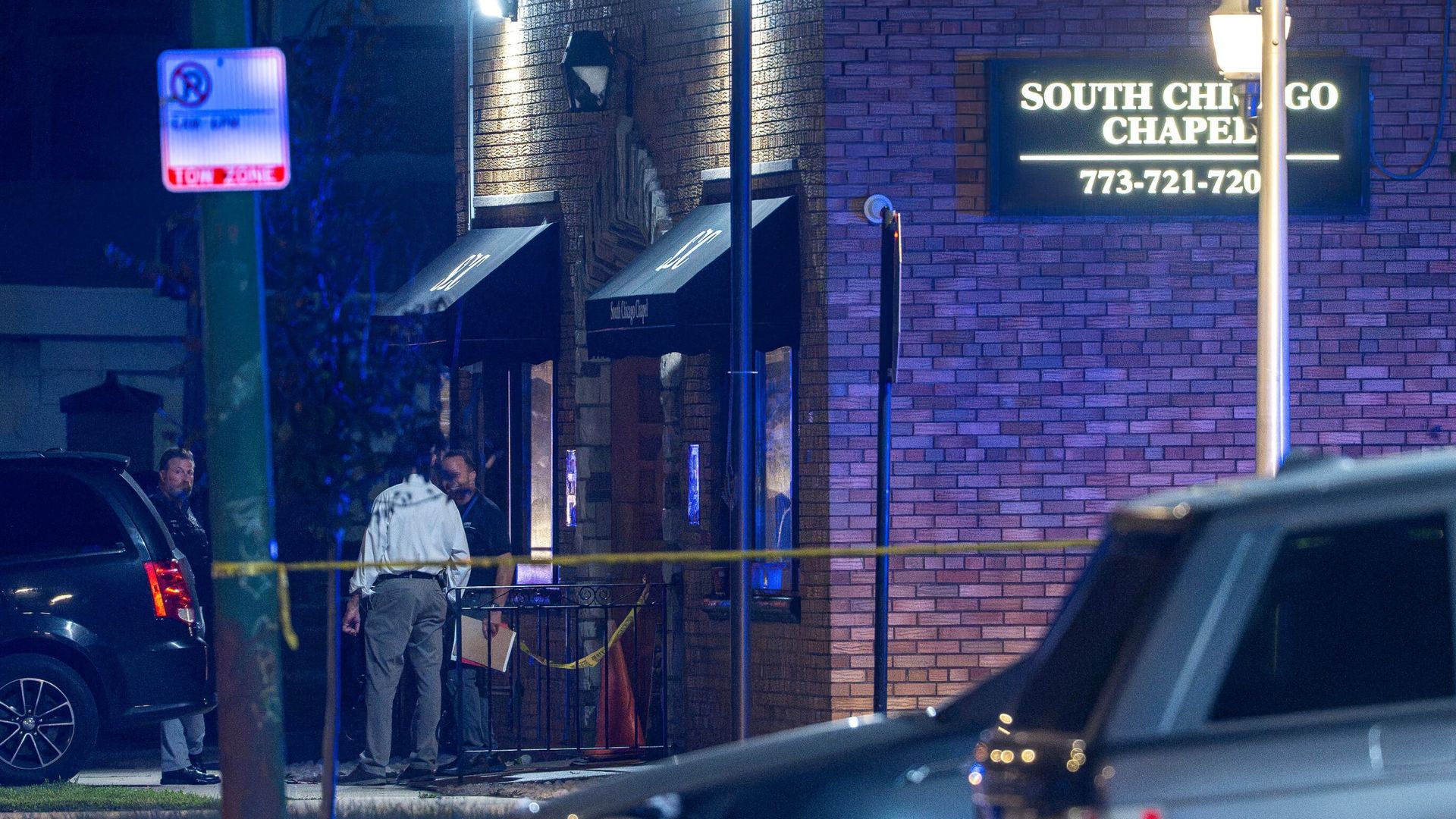
The Shocking Reality of the Chicago Funeral Home Crisis
Bodies left to decay in back rooms. Fifty-six human remains stacked and neglected. The Chicago funeral home scandal was not just a news story; it was an absolute nightmare.
When investigators stepped inside that facility, they found conditions that defy basic human decency. Families trusted these directors with their loved ones. They paid hard-earned money for respectful farewells. Instead, they got a horror movie plot.
How does this happen in a modern American city? Why did oversight fail so badly? Let's break down the ugly truth behind the Chicago funeral home tragedy and what it tells us about an unregulated blind spot in death care.
What Actually Happened Inside the Facility
Details matter. Vague reporting hides the systemic rot.
According to reports from local authorities and public health inspectors, the facility in question failed basic operational standards for months. The remains of 56 individuals were discovered in various states of decomposition. Some had been stored improperly without refrigeration. Others sat forgotten while families received ashes that might not even belong to their relatives.
Let's be clear. This wasn't a minor paperwork error. This was gross negligence on a catastrophic scale.
When a loved one dies, you expect dignity. You expect a licensed professional to handle the physical transition with care. The operators of this Chicago establishment traded human dignity for convenience and profit margins. They cut corners on refrigeration, ignored municipal health codes, and lied directly to grieving families.
The psychological toll on those families is staggering. Imagine mourning a mother, a father, or a sibling, only to discover their remains were treated like trash in a storage closet.
Why Regulatory Oversight Keeps Failing
People always ask how state inspectors missed these warning signs. The answer is simple. Regulatory agencies are chronically underfunded and overwhelmed.
State boards often rely on complaint-driven investigations rather than proactive audits. If nobody speaks up, inspectors don't show up. Shady operators know this loophole inside and out. They operate in the shadows until a whistleblower steps forward or an awful smell alerts the neighbors.
By then, the damage is already done.
The Gaps in State Licensing
Funeral directing requires a license in Illinois and across most states. But a piece of paper on a wall doesn't guarantee a conscience. State boards vet initial applications, but routine compliance checks are rare.
- Inspections happen every few years instead of every few months.
- Financial audits of pre-need trust accounts are notoriously lax.
- Penalties for code violations often amount to a slap on the wrist rather than criminal charges.
When bad actors realize they can absorb a minor fine as the cost of doing business, compliance drops to zero.
The Broader Crisis in American Death Care
This Chicago disaster is an extreme symptom of a wider industry shift. Corporate consolidation has transformed death care into big business. Private equity firms buy up local independent funeral homes, cut staff, and maximize volume.
When you prioritize profit over people, corners get cut.
Staff members burn out. Unlicensed temps handle sensitive tasks. Refrigeration units break down and stay broken because repair costs eat into quarterly earnings.
It is a dirty little secret of the modern economy. We outsource our final moments to corporations that view human grief as a revenue stream.
What Families Can Do Right Now
You cannot entirely control the integrity of strangers. But you can take concrete steps to protect your family from predatory operators.
Stop assuming every licensed facility operates ethically. Do your homework.
- Ask to see the preparation room. A reputable funeral director has nothing to hide. If they hesitate or refuse a tour of the facilities, walk away immediately.
- Verify licensing and disciplinary history. Check the Illinois Department of Financial and Professional Regulation portal before signing any contracts. Look for past complaints or suspensions.
- Understand pre-need contracts. Never pay for a funeral plan entirely upfront without checking where the money goes. Legitimate pre-need funds must be placed in a trust or backed by an insurance policy, not sitting in the funeral home's operating account.
- Trust your gut. If something feels off, cheap, or overly rushed during your consultation, find another provider.
Transparency is the ultimate disinfectant. Demand answers from your funeral director. If they give you corporate fluff or evasive timelines, take your business elsewhere.
Accountability starts with refusing to look away from the ugly details. The victims of the Chicago tragedy deserved better in life, and they certainly deserved better in death. Fix the system before it happens again.