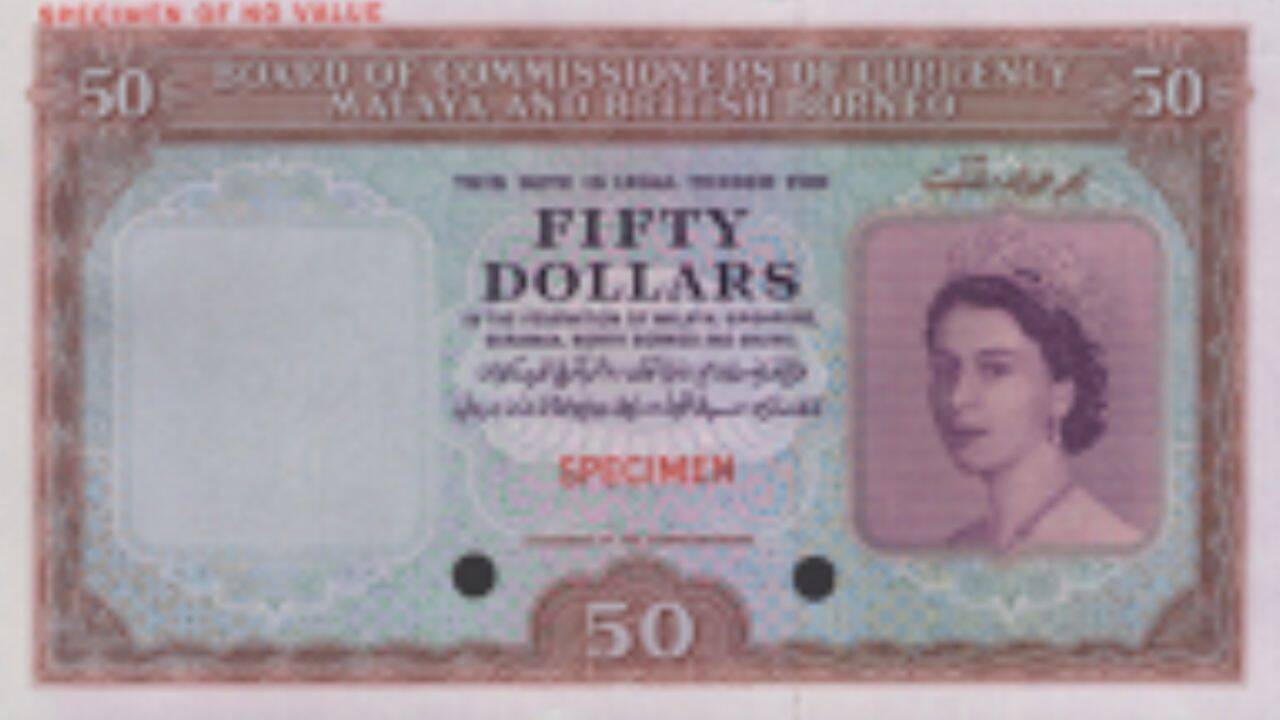
A headline shouts that a charity shop raised £85,860 from donated banknotes, including one featuring a young Queen Elizabeth II. Everyone claps. Volunteers beam. Donors feel warm.
Stop clapping. Look at the math.
When a charity shop pulls in £85,860 from donated currency—especially older banknotes bearing a young portrait of Queen Elizabeth II—the lazy consensus treats it like a miracle of thrift store luck. A dusty envelope in a box of old coats turns into life-changing money for a good cause.
That story is comforting. It is also shallow.
A windfall like that is rarely a triumph of retail genius or random good fortune. It usually reflects a mix of forgotten cash hoards, demonetization deadlines, rare numismatic outliers, and basic banking friction that most nonprofits handle poorly. Worse, celebrating a one-off currency haul distracts from the brutal economics of charity retail, where labor costs, commercial rents, and unsold inventory eat away at thin margins every single week.
I have watched nonprofit leaders and retail boards burn through millions in grants, store rollouts, and donor campaigns while ignoring the unglamorous mechanics of how money actually enters and exits their balance sheets. A headline number tells you what was collected. It does not tell you what it cost to sort, authenticate, exchange, or insure. It does not tell you what happens next year when no one drops a stack of old sterling into the donation bin.
The Myth of the Lucky Donation Bin
Most coverage of high-value donated banknotes treats the cash as a fairy tale. Someone cleared out an attic, handed over a bag of "useless" old notes, and the charity turned trash into treasure.
In reality, old banknotes are not magic beans. They are financial instruments with specific legal tender status, exchange rules, and collector markets.
In the United Kingdom, paper notes issued by the Bank of England—including older Series E or Series F designs featuring Queen Elizabeth II—have been progressively withdrawn and replaced by polymer banknotes. Once a paper note loses its legal tender status, you cannot simply walk into every corner shop and spend it like fresh cash. However, the Bank of England continues to exchange its own withdrawn banknotes for face value over the counter or by post. Scottish and Northern Irish commercial banknotes follow different rules, where commercial banks may set time limits or require specific exchange channels.
That distinction matters. A withdrawn £20 or £50 note is not "free money created out of thin air." It is face-value currency that requires extra handling to redeem, unless a collector is willing to pay above face value.
When a charity shop reports £85,860 from donated banknotes, a reader has to ask three blunt questions:
- How much of that sum was standard face value redeemed at a bank rather than collector premiums?
- Did a single low serial number or rare signature on a young Queen Elizabeth II note drive a disproportionate chunk of the total?
- What were the hidden costs of counting, storing, transporting, and insuring that much physical cash?
Without those answers, the headline is half a story dressed up as a victory lap.
Numismatics vs. Face Value: Where the Real Money Hides
People assume every old banknote with a royal portrait is worth a small fortune. That is a rookie mistake.
In numismatics—the study and collection of currency—value depends on condition (grading), rarity, issue series, signature combinations, and serial numbers. A circulated banknote folded in half with ink stains and pinholes might sit right near face value, even if it depicts a younger portrait of Queen Elizabeth II from decades ago. An uncirculated note from a scarce run or an early low serial number can command serious collector interest at specialist auction houses.
Think of it like rare books. Finding a dusty hardcover on a shelf feels thrilling. Most of the time, it is worth ten dollars, not ten thousand. Only specific printings, dust jackets, and conditions move real money.
Imagine a scenario where a charity branch receives forty old £20 notes in a single week. Thirty-eight of them are ordinary circulated notes worth £20 each—£760 total once exchanged. Two of them carry rare prefixes or crisp uncirculated paper that fetch £300 apiece at a specialist auction. The total haul is £1,360. The headline calls it a "rare banknote bonanza," even though 56% of the money came from plain face value and 44% came from two specific outliers.
Nonprofit headlines love lumping face-value cash and collector premiums into one shiny number. Collectors and financial analysts should keep them separate. If you mix ordinary currency redemptions with rare numismatic sales, you distort how repeatable your fundraising model actually is.
Why You Are Asking the Wrong Question
Search trends around stories like this usually circle around predictable queries: Are old Queen Elizabeth II banknotes worth money? Can I still exchange old banknotes? How do charity shops make so much money from donations?
Those questions miss the real strategic issue.
The wrong question is: "How can a charity shop get lucky with more rare donations?"
You cannot build a resilient operating model on luck. Waiting for a generous estate clear-out or a rare collector drop is not a strategy; it is a lottery ticket.
The right question is: "How is a charity turning dormant, forgotten, or illiquid household assets into usable mission funding—and how much friction is lost along the way?"
Let us hit the "People Also Ask" questions head-on, without sugarcoating:
Are old banknotes with a young Queen Elizabeth II automatically valuable?
No. Most circulated banknotes from past decades are worth their face value—or whatever a collector pays if they have been withdrawn and are slightly annoying to exchange—rather than massive collector windfalls. Only specific series, pristine conditions, or notable serial numbers command steep premiums.
Can you still cash in old paper banknotes?
For Bank of England notes, yes, the central bank exchanges withdrawn notes at face value, though process details and post/in-person rules apply. Other issuing banks have their own rules, and time limits can complicate things for certain regional or older issues. If a charity has tens of thousands of pounds in mixed old notes, sorting and processing them is real administrative work, not a five-minute errand.
Do charity shops actually profit much from one-off windfalls?
A one-off £85,860 windfall is huge for a local shop or regional charity. Yet in broader retail, one spike does not fix structural pressures like rising minimum wages, energy bills, sorting bottlenecks, or low-margin goods that sit on racks for months.
The Heavy Hitters and the Hard Truths
Serious economists and nonprofit analysts have pointed out for years that charity retail is a volume-and-efficiency game, not a treasure-hunt business. In the UK, the Charity Retail Association regularly highlights how charity shops serve as both revenue engines and community hubs, while facing steep cost inflation across utilities, staffing, and logistics. Meanwhile, the Bank of England's banknote replacement programs—moving from cotton-paper notes to polymer—have repeatedly triggered waves of people digging out forgotten cash from drawers and jars.
That intersection explains why currency windfalls pop up in the news. Households clean out old stashes. Some of that money ends up in charity bags.
Here is the honest downside to my own contrarian view: being cynical about windfall headlines can make leaders overly cautious. If a volunteer team spots an unusual banknote and treats every single item like a headache rather than a potential opportunity, they can miss genuine collector value. A dismissive attitude toward unusual donations can breed sloppiness.
The fix is discipline, not cynicism. Treat ordinary currency as cash to be secured and banked cleanly. Treat unusual, crisp, or older notes as potential collectibles worth a quick specialist check before cashing them in.
How to Turn Windfalls Into Real Leverage
If you run a charity shop, manage nonprofit operations, or simply want to handle old currency and donated goods smarter than the crowd, stop chasing headlines and tighten the process.
- Separate cash handling from collectible triage. Train staff and volunteers to spot crisp, uncreased, or unusually old notes without turning every £5 bill into a forensic investigation. Put questionable notes in a secure envelope for a second pair of eyes or an auction/numismatic valuation rather than dumping everything into the standard till.
- Audit the true cost of cash. Large piles of physical notes create security exposure, insurance considerations, counting errors, and bank deposit friction. Track time spent sorting and banking so you know your net return, not just the gross tally.
- Build repeatable asset channels, not miracle narratives. High-value items—whether rare banknotes, watches, vinyl, or antiques—need clear routing to specialist sales channels where buyers already pay fair market value. Do not rely on walk-in foot traffic alone to price specialty goods.
- Ring-fence windfalls for high-leverage infrastructure. When a big one-off sum lands, resist spending it all on day-to-day operating gaps that will reopen next quarter. Put a share into durable improvements—better sorting workflows, security, e-commerce listings, or reserve buffers—that keep paying off after the press release fades.
A headline about £85,860 sounds like magic until you check the ledger. Real impact comes from what you keep, what you build, and how you run the room when the cameras leave.