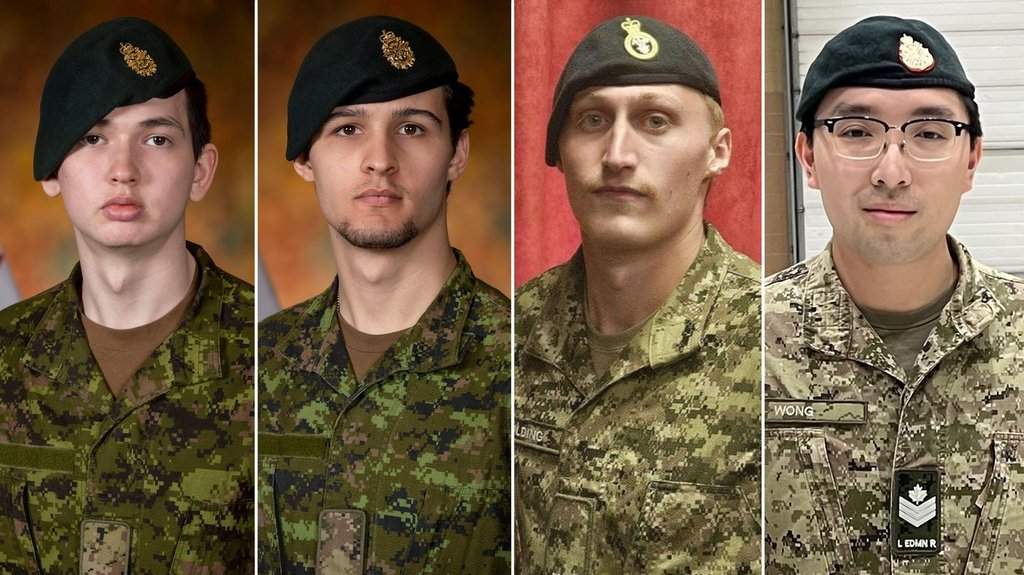
High winds can turn a routine military exercise into a catastrophic emergency in seconds. That harsh reality hit home on October 17, 2026, when a fast-moving brush fire swept across a training field at Canadian Forces Base Wainwright in Alberta.
The disaster left the military community reeling. Four soldiers died initially, and dozens more suffered severe injuries. Weeks later, the tragedy deepened when a fifth service member succumbed to his injuries in an Ontario hospital. As the Department of National Defence and independent investigators dig into what went wrong, public pressure is mounting for absolute transparency and better long-term support for survivors.
The Anatomy of a Training Ground Disaster
The incident unfolded during a live-fire training exercise involving roughly 84 troops practicing small group tactics and hand grenade drills. According to military briefings, a brush fire was already burning in the vicinity—a condition commanders initially deemed manageable under standard operational parameters.
Sudden, high-intensity winds changed everything. The gusts drove the flames rapidly toward the troops, outpacing their ability to evacuate or find cover. The sheer speed of the fire trapped soldiers in the path of intense heat and smoke, resulting in catastrophic casualties.
Four soldiers were identified following the tragedy: Sergeant Morgan Wong, Private Shaun Farrell, Private Aidan Goulding, and Private Hayden Lykkemark. On November 13, Private William Douglas Dal Bianco of the 3rd Battalion, Princess Patricia's Canadian Light Infantry, passed away from the severe burns and complications he sustained during the blaze.
Inside the Ongoing Investigations
Three separate investigations are currently underway to establish accountability and dissect the operational decisions made that day. These include probes by the Canadian Forces Provost Marshal, the military fire marshal, and an independent Board of Inquiry.
Top commanders have pledged to make the final findings public, recognizing that military families and the broader public deserve clear answers. However, legal experts and military advocates point out systemic challenges. Internal military investigations often struggle to satisfy civilian expectations of complete independence. Critics argue that true accountability requires an arm's-length body, such as an inspector general, to review operational safety protocols without institutional bias.
The core questions for investigators are straightforward, yet difficult to answer:
- At what exact moment did a manageable nearby brush fire cross the threshold into an unacceptable hazard?
- Were communication channels fast enough to order a complete evacuation before the wind shift trapped the troops?
- Did equipment limitations or safety gear response times play a role in the high number of severe burn injuries?
The Strains on Healthcare and Long-Term Recovery
While investigators review the timeline, the human toll continues to strain medical infrastructure. Dozens of soldiers were hospitalized across multiple provinces with severe burns and trauma.
The specialized care required for extensive burn injuries is grueling. Medical staff in Alberta burn units worked around the clock through October and November. The caseload became so severe that federal emergency management approved a request to deploy military nurses to supplement civilian staff, providing vital relief to exhausted healthcare workers.
Recovery is a marathon, not a sprint. Many surviving soldiers face months of painful physical rehabilitation, skin grafts, and psychological treatment for post-traumatic stress.
Demands for Permanent Support Systems
The one-month mark following the tragedy brought renewed calls for systemic change. Families, advocates, and veterans are pushing back against temporary fixes, demanding institutional roadmaps for injured service members.
Grassroots networks and support groups are stepping in to fill gaps in peer navigation, pushing the government to ensure that physical and psychological rehabilitation is guaranteed for every affected soldier. Reserve pay disparities and gaps in safety nets for part-time versus full-time personnel have also entered the national conversation, exposing structural flaws that have persisted for years.
CFB Wainwright remains a stark reminder of the risks inherent in preparing soldiers for high-intensity combat. As the official inquiry reports take shape, the true test for the military leadership won't just be identifying procedural errors—it will be implementing permanent safety overhauls so a disaster of this magnitude never happens again.


