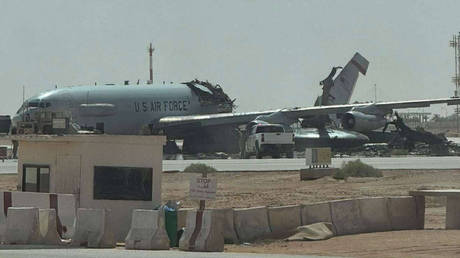
War has a habit of getting expensive very quickly. When U.S. Central Command released figures showing the military conflict with Iran had surpassed $47.1 billion by mid-October, headlines treated it as a hard financial ceiling. They shouldn't have. That figure represents just the immediate hardware and operational ledger. It ignores the inventory drain, the secondary fuel shocks, and the long-term strain on American defense stockpiles.
If you want to understand what this conflict is actually costing, you have to look past the Pentagon’s baseline receipts and examine how modern missile exchanges quietly bankrupt strategic readiness.
Where the Billions Are Actually Going
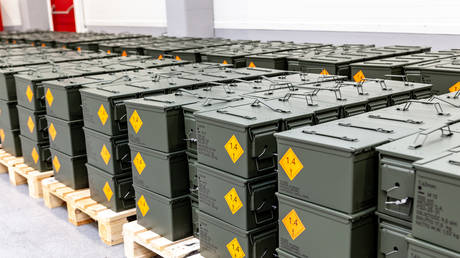
The primary driver behind CENTCOM's multi-billion-dollar tally isn't troop deployment or base housing. It is replenishment. Modern aerial warfare relies on high-end interceptors that cost millions of dollars apiece. According to Congressional Budget Office assessments, replacing expended munitions makes up the lion's share of the Department of Defense's direct expenses.
Every time a Patriot, THAAD, or SM-3 missile leaves a launcher to intercept an incoming threat, millions of dollars vanish into the upper atmosphere.
- Interceptor Costs: Standard defense interceptors range from roughly $4 million for Patriot variants to upwards of $28 million for advanced SM-3 systems.
- Production Bottlenecks: The industrial base cannot churn these precision items out overnight. Firing them faster than factories can build them creates a dangerous inventory deficit.
- Ongoing Operations: Routine patrols, extended flight hours, and naval blockades keep adding a steady $2 billion to $3 billion burn rate every single month the conflict drags on.
The Hidden Cost of Inventory Depletion
The most serious penalty of the Iran conflict isn't printed on any congressional budget request. It is the strategic opportunity cost.
When the U.S. military exhausts its finite supply of missile defense interceptors in the Middle East, those weapons are missing from other critical theaters. Defense analysts point out that stockpiles depleted today leave vulnerabilities elsewhere—particularly in the Indo-Pacific, where similar precision munitions would be vital in a conflict involving major power competitors. You cannot simply order a rush delivery of specialized interceptors when global manufacturing supply chains are choked.
Economic Shockwaves Beyond the Pentagon
Wars fought in regions critical to global energy supplies always inflict collateral damage on civilian wallets. The naval blockade in the Persian Gulf and disruptions around maritime transit lanes instantly translate into higher energy prices.
Crude oil spikes ripple through global refining networks, lifting the price of diesel, gasoline, and jet fuel. Transporting everyday consumer goods becomes more expensive, which feeds domestic inflation. While the Pentagon tallies its direct operational outlays at over $47 billion, American consumers bear billions more through inflated energy costs at the pump and elevated shipping overhead.
Congress still hasn't passed the supplemental funding bills required to cover these mounting expenses, leaving the defense budget in a state of suspended animation. Until lawmakers approve dedicated relief, the military absorbs these financial gaps by shifting funds away from modernization and long-term readiness programs.
The true price of the Iran war won't be known for years. It will be measured not just in the billions spent today on replacement missiles, but in the strategic gaps left behind when the smoke clears.