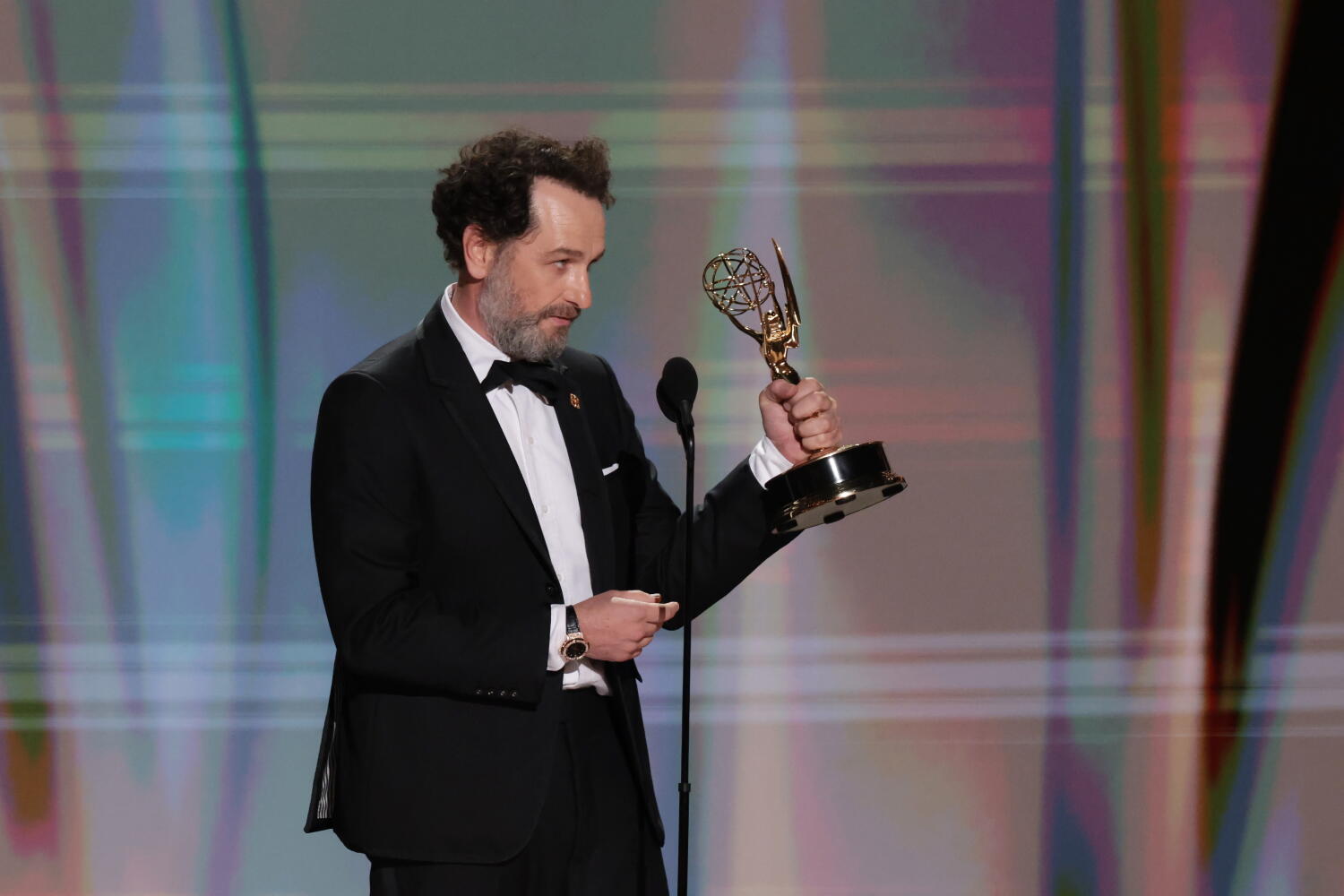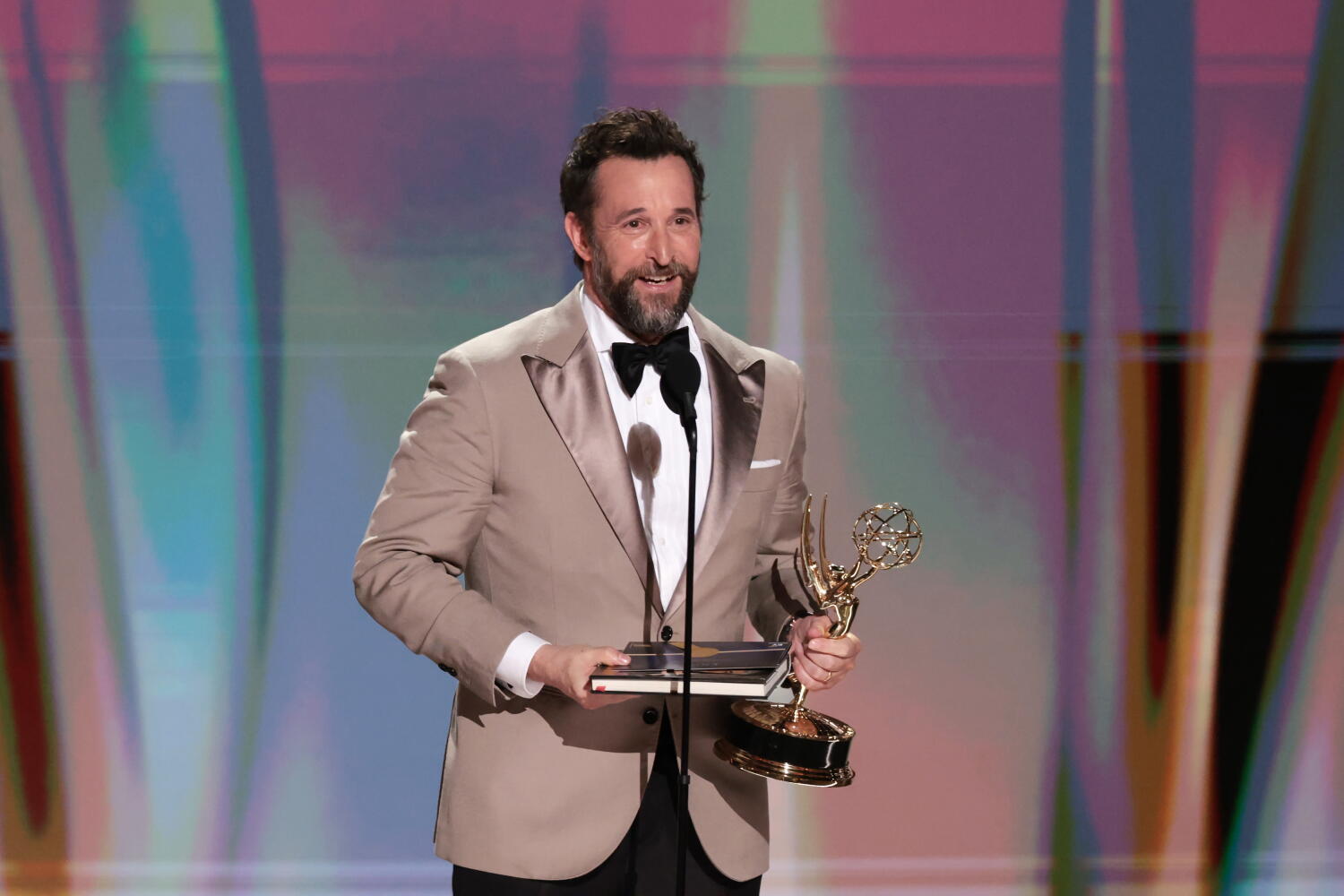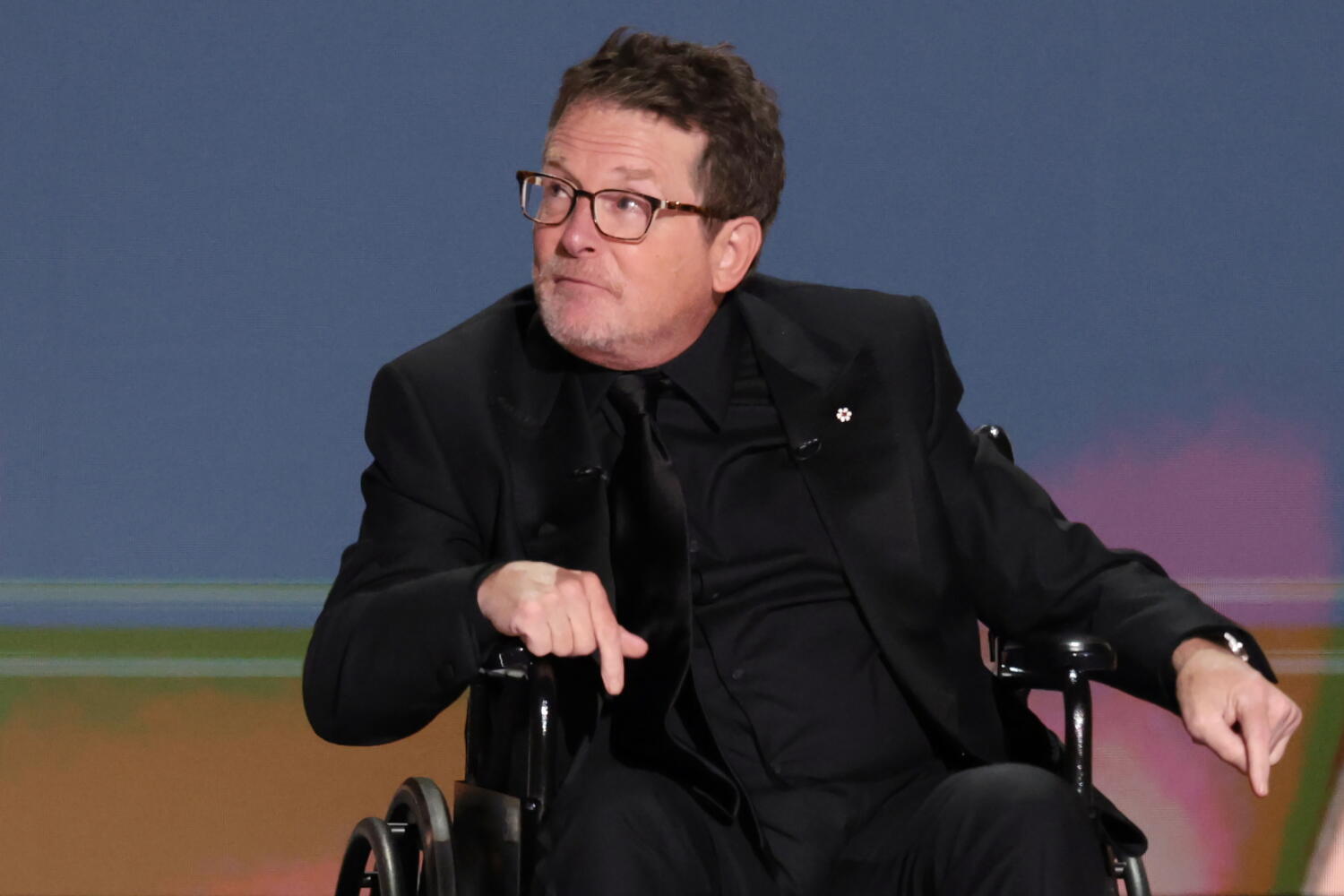
The lights dim. A montage rolls. Strings swell in the background, engineered to mist up the eyes of millions sitting at home. Then comes the standing ovation.
Another celebrity steps to the podium, clutching a glittering token of moral superiority. The audience cheers because it feels good to applaud virtue without having to practice it. If you found value in this post, you might want to check out: this related article.
This is the ritual of the Hollywood humanitarian award. It is comforting. It is uncontroversial. And it is a complete subversion of how structural change actually happens.
When headlines celebrate icons receiving lifetime achievement honors for philanthropy, the cultural machine wants you to believe something specific. The narrative insists that individual fame combined with a good heart can conquer systemic failure. If a beloved actor sets up a foundation, writes checks, and smiles for the cameras, society is supposedly healing. For another look on this development, check out the recent coverage from Rolling Stone.
Pay attention to the mechanics underneath the applause. These awards do not celebrate the eradication of a crisis. They celebrate the accommodation of one.
The Comfort of the Manufactured Narrative
For decades, entertainment media has fed audiences a steady diet of the great man theory applied to charity. The script is reliable. A tragedy occurs or a chronic condition strikes a famous person, and instead of quietly using resources or advocating behind closed doors, they launch an initiative.
The press treats this as an epiphany. Editorial boards swoon over the transformation from silver-screen royalty to crusading activist.
Look closer at the ledger. The establishment loves celebrity-led philanthropy because it performs a vital political service. It privatizes responsibility.
When a billionaire or an A-list actor funds a multi-million-dollar research institute, the state breathes a sigh of relief. Lawmakers who slashed public health budgets can stand at a microphone, praise the star's generosity, and quietly vote to keep federal funding stagnant.
Philanthropy becomes an insurance policy for a broken public sector. Every time Hollywood hands out a humanitarian statuette, it rewards a system that privatizes survival while letting institutional duty off the hook.
The Bankruptcy of Awareness
We are told that these awards matter because they raise awareness. This is the great evasion of modern activism.
In the twenty-first century, awareness is no longer a scarce resource. Everyone with a smartphone knows chronic illnesses exist. Millions understand that disease kills, that poverty degrades, and that healthcare systems are crumbling under administrative weight.
Insisting that we need more awareness is a convenient alibi for people who refuse to talk about resource allocation, tax policy, or regulatory failure. Awareness does not fund clinical trials. Awareness does not pay nurses a living wage. Awareness does not rewrite federal drug approval timelines.
When a celebrity uses their platform to generate awareness, it functions as a brilliant marketing funnel. It drives eyeballs, boosts personal brand equity, and satisfies the emotional cravings of an audience eager to feel like participants in a moral crusade. But awareness without structural power is just noise disguised as virtue.
The Historical Amnesia of Public Health
To understand why this model dominates, look at how we abandoned the public sector.
In previous eras, major health crises and infrastructure deficits were met with public mobilization. Governments built institutions, funded basic science through national budgets, and treated public wellbeing as a collective mandate.
Over the past four decades, neoliberal economic restructuring systematically hollowed out those public commitments. Taxes on high earners plummeted. Public services were subjected to market logic. As the state retreated, a vacuum opened.
Into that vacuum stepped the billionaire philanthropist and the celebrity-fronted foundation. We were taught to view this privatization not as a failure of democracy, but as a triumph of benevolent capitalism.
When a star receives an award for founding a charity, the broadcast implicitly endorses this shift. It tells viewers that individual generosity is superior to collective taxation. It teaches us to beg for crumbs from the table of the ultra-wealthy rather than demanding a seat at the table of public governance.
The Exception That Exploits the Rule
Take the most cited counter-argument. Point to Michael J. Fox.
His foundation raised billions of dollars for Parkinson's research. It transformed the scientific trajectory of a neglected neurological condition. It funded high-risk projects that bureaucratic federal agencies ignored. That is an undeniable achievement.
Now ask yourself the uncomfortable question. Why did it take a multi-million-dollar movie star wielding global fame to finance basic medical science for a disease affecting millions?
If a condition affects an enormous segment of the population, funding its cure should not depend on whether a charismatic Hollywood lead can charm corporate donors at an annual gala. Relying on celebrity charisma to underwrite human survival is a dystopian lottery.
When we fawn over the exceptional success of a star-backed foundation, we are normalizing a failure of collective governance. We are cheering for the ambulance driver who charges by the mile while ignoring the fact that the brakes were cut on purpose.
The Economics of Moral Absolution
Entertainment industry galas are not grassroots movements. They are corporate-sponsored marketing ecosystems.
Look at the sponsors underwriting these humanitarian broadcasts. They are major pharmaceutical companies, defense contractors, financial conglomerates, and media empires whose core business practices frequently generate the very societal strains these charities attempt to bandage.
It is a neat trick. A corporation helps extract wealth, degrade labor conditions, or lobby against universal healthcare during the week, and on Sunday night, they buy a table at a charity gala, applaud a weeping actor, and write off the donation as a public relations expense.
The humanitarian award is the cleansing ritual. It launders reputations. It allows executives and stars to bask in the warm glow of righteousness while preserving the economic arrangements that created the crisis in the first place.
If you want to measure the sincerity of Hollywood philanthropy, stop looking at the red carpet galas. Look at the tax loopholes defended by the people holding the trophies. Look at the labor battles fought by the crews behind the cameras while the stars collect millions.
The Uncomfortable Reality of Real Progress
Real progress is unglamorous. It does not happen under chandeliers or to the sound of soaring orchestral arrangements.
Real progress looks like boring legislative committee meetings. It looks like grueling, untelevised union organizing. It looks like tax code revisions that force massive corporations and ultra-wealthy individuals to fund public infrastructure properly, rather than depending on the whims of a foundation director.
When we romanticize the celebrity savior, we deskill the public. We teach citizens to wait for a hero with an Oscar or an Emmy rather than demanding collective political power. We reduce citizenship to passive consumption of inspiring stories about extraordinary individuals overcoming systemic failure through sheer grit and star power.
It is time to stop confusing PR triumphs with moral victories.
Stop waiting for a famous person to validate your empathy. Stop pretending that a trophy handed out by television executives represents structural reform. And stop applauding a system that makes human survival dependent on the charity of the fortunate rather than the obligations of a civilized society.
The applause has ended. The cameras have cut to commercial. The real work of fixing what is broken is outside, and it does not come with a red carpet.