Every election cycle, political strategists herd party leaders into air-conditioned buses, roll them up Highway 97, and pretend that pressing flesh in the Okanagan is the crucible where British Columbia's future is forged. We are fed the lazy consensus that orchard towns and winery backroads hold some mystical key to provincial power. It is a comforting fiction. It is also an absolute waste of tarmac.
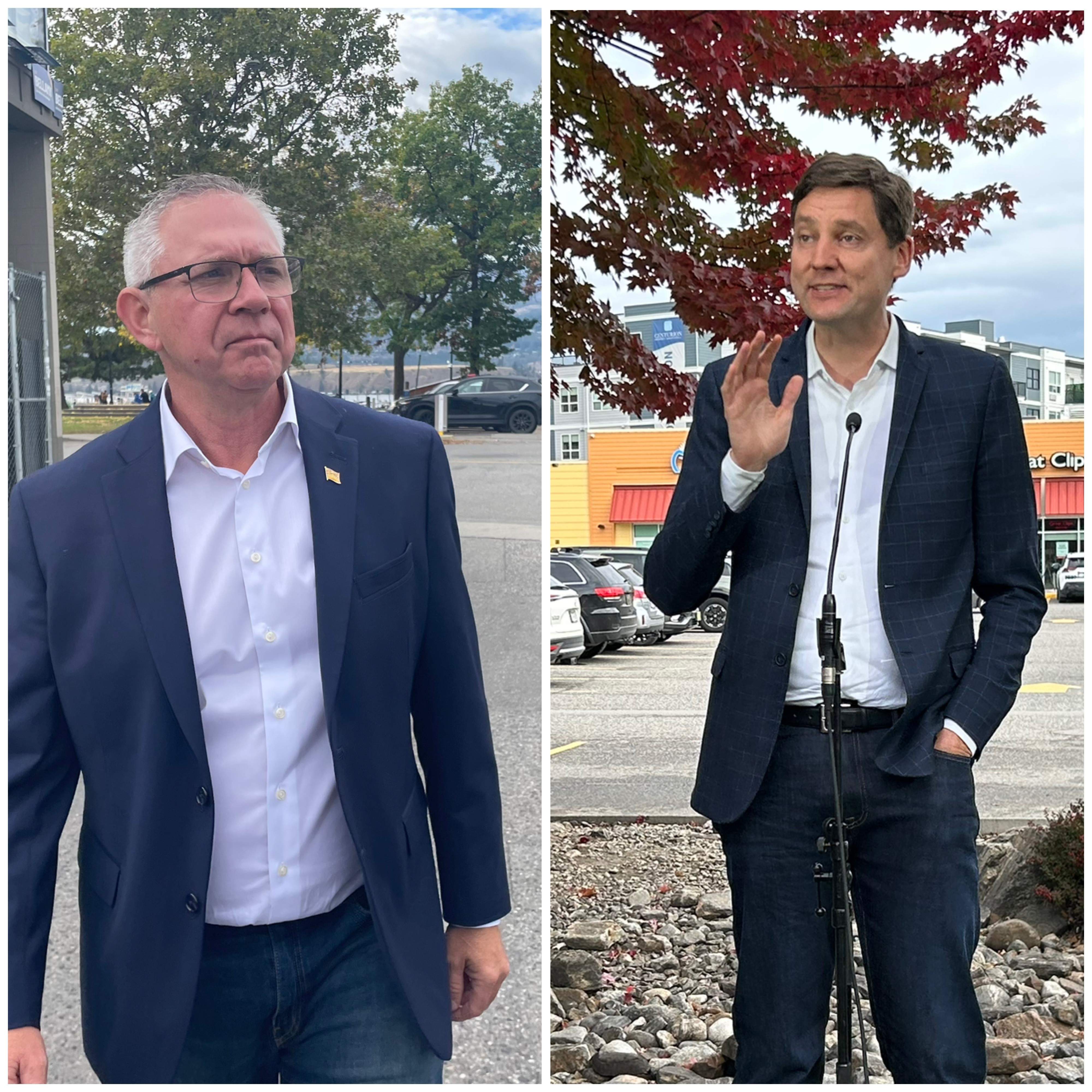
When provincial leaders descended on the valley to trade soundbites on fire safety, grocery tabs, and street disorder, political commentators nodded along as if real governance were happening. Let us strip away the theatre. Pledging wildfire mitigation or matching charity donations while flashbulbs pop in Kelowna does not fix a structural deficit in provincial policy. It is retail politics at its most performative, designed to generate local B-roll while ignoring the demographic and economic realities dictating where this province actually swings.
The Geography of Illusion
Let us look at the numbers. The Okanagan matters to local municipal councils, sure. But treating it as the ultimate electoral battleground is a category error. British Columbia is an urban-suburban archipelago anchored almost entirely by the Lower Mainland and southern Vancouver Island. That is where population density sits, where transit lines bleed money, where housing affordability has reached a breaking point, and where public healthcare waitlists dictate the survival of governments.
When a leader spends three days courting voters in Summerland or Vernon, they are indulging in nostalgia for an older version of British Columbia. This is the rural-urban divide mythologized for television. Parties do not win or lose government based on whether they charm orchardists or wine country retirees. They win based on whether they can crack the suburban code in Surrey, Langley, and the Tri-Cities. Pretending otherwise is an expensive exercise in avoiding hard choices.
Consider the policy prescriptions handed down during these valley pit stops. We hear endless chatter about regional crime concerns and boutique retail safety programs. Local business owners have every right to scream about street disorder, but offering vague commitments or sympathetic nods does not constitute a statewide public safety framework. Real security requires reforming a broken bail system, overhauling mental health infrastructure at a provincial scale, and tackling the judicial logjam. You cannot workshop that over a cup of artisanal coffee in a downtown Kelowna cafe.
The Affordability Shell Game
Then there is the evergreen obsession with the cost of living. Every time leaders pull into the interior, they roll out targeted spending promises—matching Red Cross donations here, tweaking agricultural regulations there. It plays well on the local six o'clock news, but it treats symptoms while ignoring the cancer.
The structural cost crisis in British Columbia is tethered to land use, zoning monopolies, municipal gatekeeping, and an over-reliance on resource extraction royalties that boom and bust on global commodity whims. Handing out localized subsidies or promising minor tax tweaks for specific regional sectors does nothing for the renter paying two-grand a month for a damp basement suite in Kelowna, let alone Vancouver.
Imagine a scenario where a political party actually told the truth: that local economic protectionism, exclusionary zoning, and municipal red tape are the primary engines of regional poverty. They would be booed off the stage in every community hall from Osoyoos to Armstrong. So instead, we get the ritual dance of regional pandering. Leaders pretend local issues are unique provincial battlegrounds, and voters pretend these fleeting visits signal genuine attention.
Stop Campaigning Where the Cameras Look Good
The obsession with scenic campaign backdrops has rotted our political discourse. Parties choose stops based on aesthetics and historical turnout patterns rather than where systemic interventions are actually required. If you want to fix British Columbia, you stop treating the Okanagan like a political shrine and start treating it like what it is: a collection of distinct communities dealing with national economic pressures that local photo-ops cannot dissolve.
The real tragedy is not that politicians campaign in the valley; it is that voters fall for the geography of distraction. Stop looking at where the leaders drop their motorcades. Look instead at the balance sheets, the zoning laws they refuse to touch, and the urban density metrics they are too cowardly to reform. Until we demand policies built on arithmetic rather than regional tourism, election season will remain nothing more than an expensive road trip.
Campaign trail insights
This video provides a look into the strategic calculations and political theater behind the party leaders' campaign stops in the Okanagan.