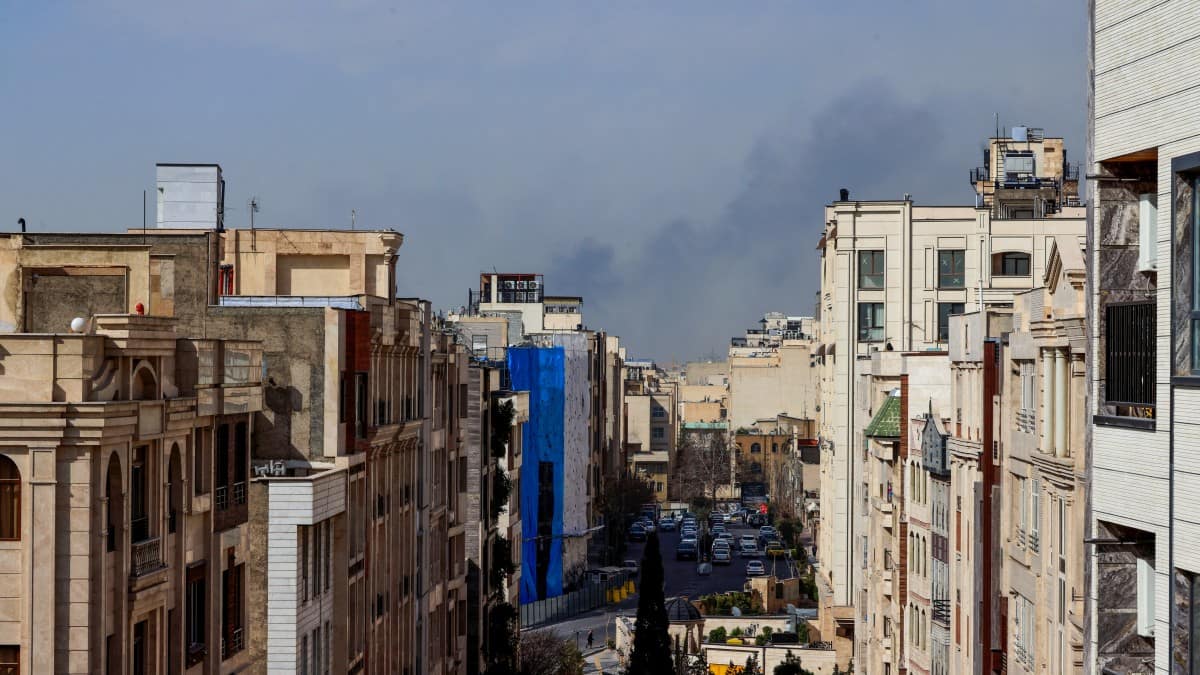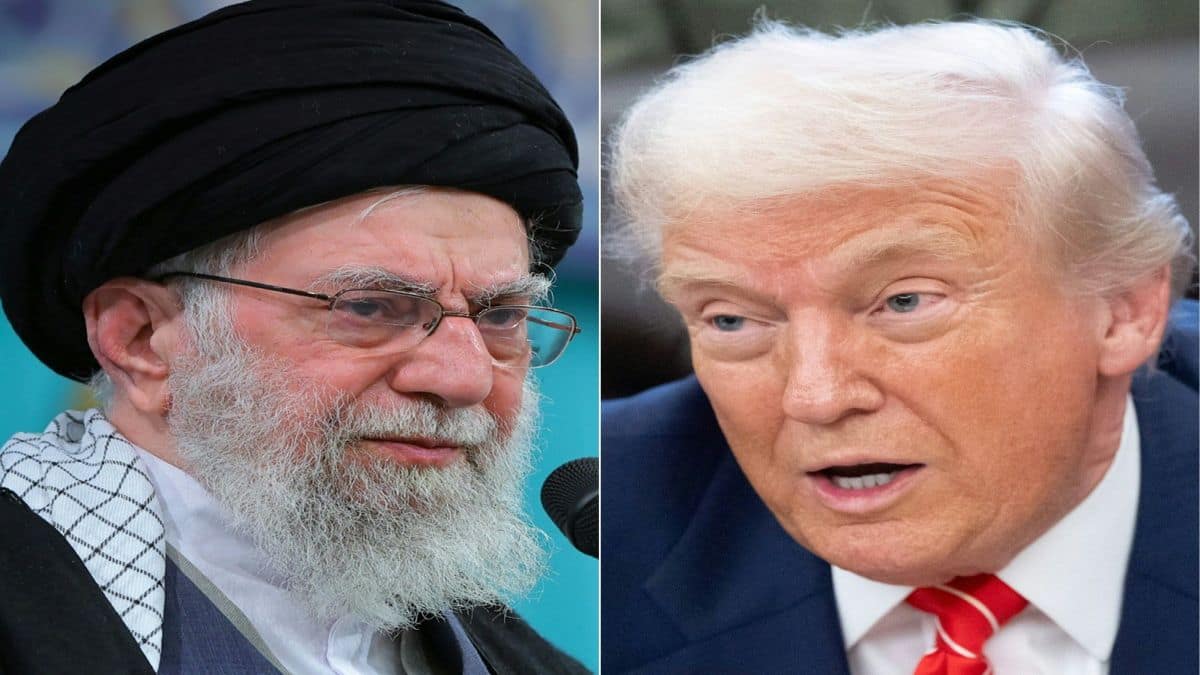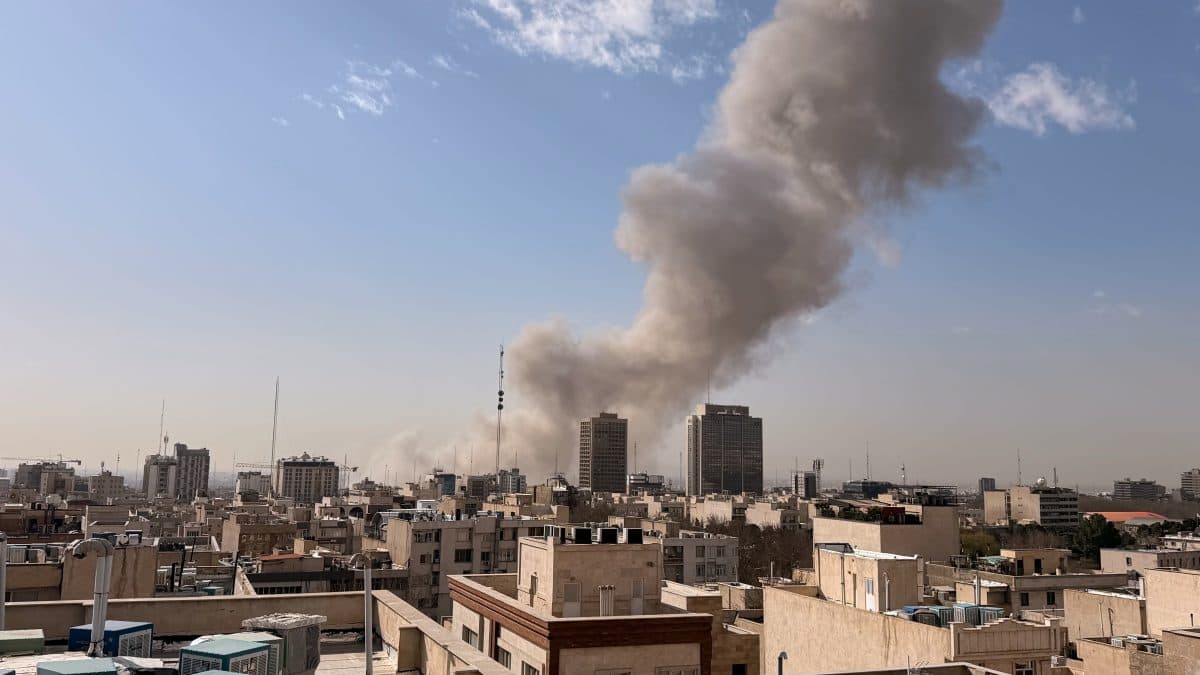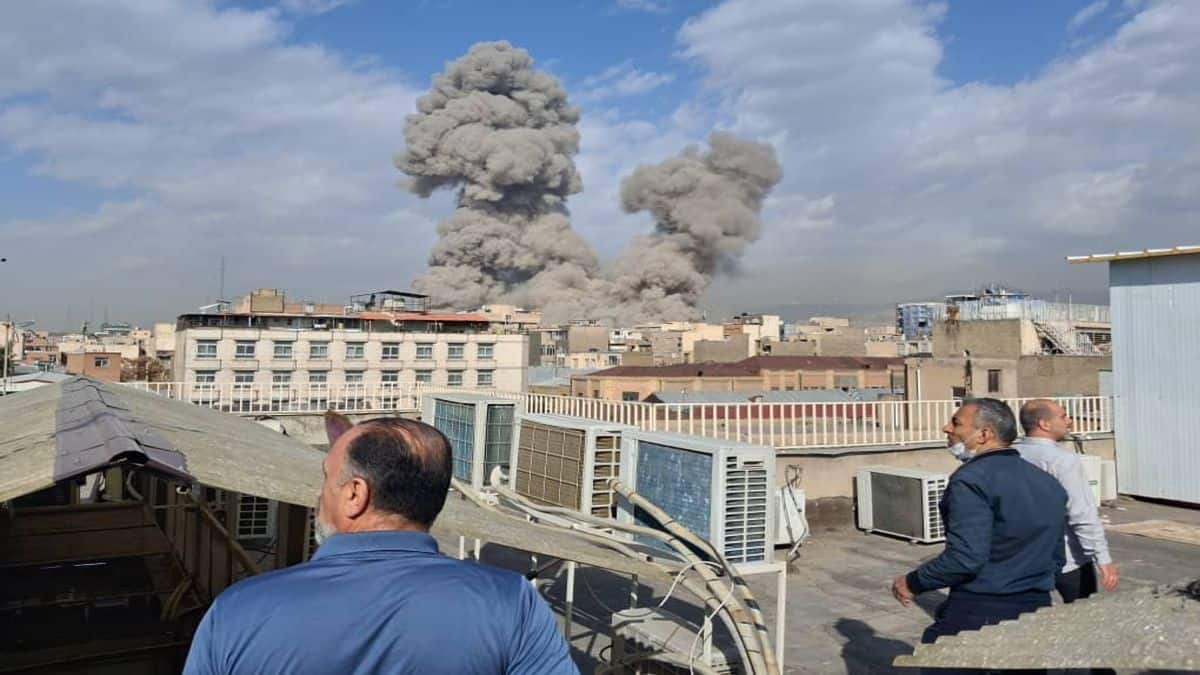
The long-standing shadow war between the West and Tehran has finally stepped into the brutal light of direct kinetic engagement. For decades, the conflict operated under a set of unwritten rules—proxies fought the battles, assassinations happened in silence, and deniability was the primary currency. That era is over. The recent strikes launched by Israel and the United States against Iranian interests represent a fundamental shift in Middle Eastern security logic. It was not a sudden burst of aggression, but the inevitable result of a failed containment policy that could no longer ignore a rapidly maturing nuclear program and a drone industry that has become a global menace.
Decision-makers in Washington and Jerusalem reached a grim consensus: the cost of inaction had finally eclipsed the risks of escalation.
The Technological Breaking Point
The primary driver for this shift is not just ideology, but hardware. Iran has transitioned from a regional nuisance to a primary supplier of low-cost, high-impact precision weaponry. The proliferation of the Shahed-series loitering munitions—commonly known as "suicide drones"—changed the math for Western planners. These systems are cheap to produce, difficult to track on standard radar, and effective at overwhelming sophisticated air defense systems through sheer volume.
When Iranian-made drones began appearing on European doorsteps via the conflict in Ukraine, the "Middle East problem" became a global security crisis. The U.S. realized that allowing Iran to refine its drone and missile technology in a live-fire environment was creating a monster that could eventually challenge American carrier groups and regional bases with near-impunity. The strikes were designed to dismantle the manufacturing hubs and research facilities where this "asymmetric edge" is sharpened. By targeting the carbon fiber production sites and the specialized electronics warehouses, the alliance aims to reset Iran's industrial capacity by years.
The Nuclear Threshold Problem
Beyond the drones lies the perennial ghost of the Joint Comprehensive Plan of Action (JCPOA). Diplomacy has effectively flatlined. Intelligence reports indicate that Iran’s breakout time—the period required to produce enough weapons-grade uranium for a single nuclear device—has shrunk to a matter of days or weeks, rather than months.
Israel’s security establishment has always maintained a "red line" regarding enrichment levels. When enrichment at the Fordow and Natanz facilities reached 60% purity, it signaled that Tehran was no longer interested in bargaining. They were moving toward a fait accompli. The recent kinetic actions targeted the deep-buried infrastructure and the power grids supporting these centrifuges. This wasn't just about blowing up buildings; it was about sending a message that no amount of reinforced concrete can provide total immunity from modern bunker-busting munitions.
The Collapse of Proxy Deterrence
For years, Iran relied on its "Ring of Fire"—a network of armed groups in Lebanon, Syria, Iraq, and Yemen—to deter a direct attack. The logic was simple: if you hit Tehran, Tel Aviv and Riyadh will burn. However, the effectiveness of this deterrent has eroded.
The Abraham Accords created a new regional intelligence-sharing architecture that Iran did not fully anticipate. Arab states, once hesitant to be seen cooperating with Israel, are now quietly providing airspace access and logistical data because they view a nuclear-armed Iran as a greater existential threat than a localized regional flare-up. This shift isolated Tehran, making the "Ring of Fire" look more like a liability than a shield.
The U.S. and Israel exploited this isolation. They chose to strike not just the proxies, but the Islamic Revolutionary Guard Corps (IRGC) commanders who coordinate them. By removing the "central nervous system" of the proxy network, the alliance has dared Iran to respond directly, knowing that Tehran’s conventional military is significantly outmatched in a head-to-head confrontation.
The Economic Intelligence Factor
A major, often overlooked aspect of these strikes is the sophisticated financial and digital warfare preceding the physical explosions. Before the first missile was launched, a series of cyber-attacks crippled the IRGC’s internal communication and financial distribution networks.
The U.S. Treasury and Israeli intelligence tracked the "ghost fleet" of tankers used to bypass oil sanctions. They mapped the shell companies used to purchase high-end German and Japanese machine tools required for missile guidance systems. The physical strikes were merely the final step in a long-term campaign to bankrupt the military-industrial complex of the Islamic Republic. By hitting the facilities that represent Iran's most significant capital investments, the West is forcing the regime to choose between feeding its population or rebuilding its shattered missile labs.
Redefining Red Lines
Critics argue that these strikes will only embolden hardliners within the Iranian government and accelerate their desire for a nuclear deterrent. This view, however, ignores the reality of the "Salami Slicing" strategy Iran has used for a decade—taking small steps toward escalation that were each too minor to trigger a war, but collectively moved the needle in their favor.
The alliance has now flipped the script. By striking first and with overwhelming precision, they have forced Tehran into a defensive crouch. The goal is to establish a new "status quo" where Iranian aggression, whether via a drone shipment to Russia or an enrichment hike in a mountain lab, carries an immediate and physical price tag.
This is a high-stakes gamble with no easy exit. If Iran decides to block the Strait of Hormuz, through which 20% of the world's oil flows, the global economy could crater. Yet, the consensus in Washington is that a world where Iran dictates the terms of trade and security under a nuclear umbrella is a far more dangerous outcome.
The Hardware Reality
We must look at the specific weapons used in these operations to understand the intent. The deployment of F-35 Lightning II aircraft, with their stealth capabilities and advanced sensor suites, allowed for the penetration of Iranian airspace without triggering a wider air defense engagement.
$$E_k = \frac{1}{2}mv^2$$
The kinetic energy of the munitions used—specifically the GBU-series precision bombs—was calculated to maximize internal structural damage while minimizing "collateral" visual footprints that could be used for propaganda. This was a "surgeon’s strike" performed with a sledgehammer. The message to the Iranian leadership is clear: we can see you, we can reach you, and your defenses are an expensive illusion.
The Role of Domestic Instability
One cannot analyze these strikes without considering the internal state of Iran. The regime is facing its most significant domestic opposition in decades. Economic mismanagement, coupled with a young population that is increasingly disconnected from the revolutionary rhetoric of 1979, has created a tinderbox.
Western intelligence likely calculated that the regime is too fragile at home to risk a full-scale, prolonged war. By hitting the IRGC—the primary enforcers of domestic order—the strikes also serve to demoralize the security apparatus that keeps the regime in power. It is a dual-purpose strategy: degrade the external threat while highlighting the regime's inability to protect its own most sensitive assets.
The Absence of an Exit Strategy
There is a cold truth that many analysts avoid: there is no permanent solution here. These strikes do not "fix" the Iran problem. They only buy time. Engineering knowledge cannot be bombed out of existence. The scientists who designed the centrifuges and the engineers who mapped the drone flight paths are still there.
What the strikes achieve is the destruction of the physical infrastructure required to turn that knowledge into a weapon. It forces Iran to start over in many key areas. The alliance is betting that by the time Iran can rebuild, the geopolitical landscape will have shifted again, or the regime’s internal pressures will have forced a change in behavior. It is a strategy of managed attrition, where victory is defined not by a surrender ceremony, but by the absence of a catastrophic event.
The world has moved past the era of grand bargains and comprehensive treaties. We are now in a period of constant, calibrated conflict where power is the only language that remains legible. The strikes on Iran were the opening chapter of this new, more dangerous volume of 21st-century history.
Monitor the regional price of Brent Crude and the movement of U.S. carrier groups in the Eastern Mediterranean over the next 72 hours for the first indicators of the next phase.