Every time a local government pats itself on the back for acquiring hundreds of acres for a new park, the champagne corks pop. Headlines praise the expansion, environmentalists cheer, and taxpayers assume nature just won a massive victory.
It is a comfortable illusion. It is also completely backwards.
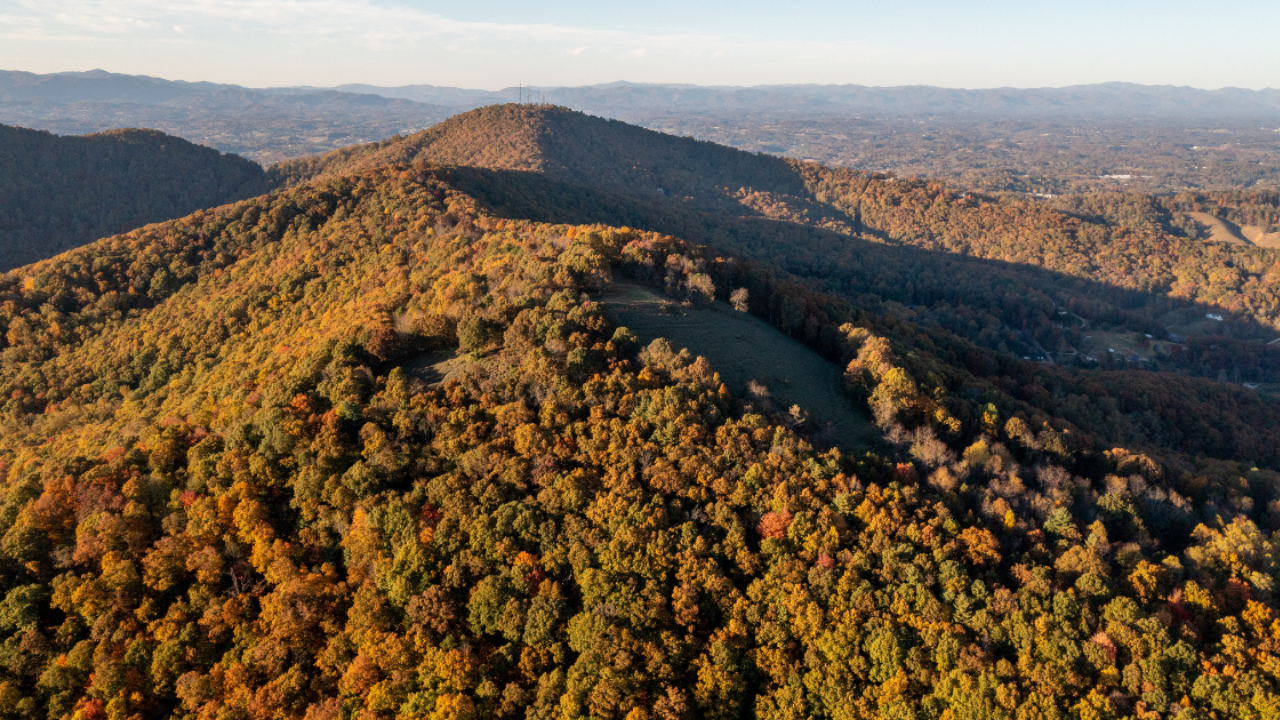
When state and local entities acquire sprawling tracts of land—such as the recent push to assemble Buncombe County's largest park through hundreds of acres of grant-funded purchases—everyone focuses on the square footage. They treat acreage like a scoreboard. More land equals more conservation. More trees equals a healthier ecosystem.
That mindset is lazy, outdated, and actively destructive to long-term environmental health.
Buying land is the easy part. It is the political equivalent of buying a gym membership and expecting to get in shape just by holding the card. The moment a government agency acquires a massive property, a ticking financial and ecological clock starts. Who pays for the invasive species removal? Who manages the trail erosion? Who funds the fire mitigation?
Usually, nobody.
Conservation is not a static real estate transaction. It is an active management discipline. When public budgets are finite—and they are always finite—every dollar spent acquiring raw dirt is a dollar stolen from the maintenance of existing public lands. We are accumulating property faster than we can steward it, turning pristine acquisitions into neglected tracts choked with kudzu, overrun by pests, and vulnerable to catastrophic wildfires.
Look at the economics. When the state takes hundreds of acres off the private market using grants and public funds, two immediate things happen. First, those parcels vanish from the local tax rolls, shifting a heavier burden onto residential property owners. Second, surrounding private land values spike due to artificially constrained supply, squeezing out the very working-class families who supposedly benefit from having a massive backyard.
We are subsidizing open space for wealthier newcomers while pricing locals out of the housing market, all under the warm glow of a green initiative.
If you want actual conservation, stop measuring success by how many acres a government bureaucrat can circle on a map. Measure it by ecological yield per dollar.
A tiny, intensely managed urban green space that filters stormwater, protects native pollinators, and stays accessible to foot traffic provides exponentially more community value than a thousand untended acres rotting behind a locked gate three counties away. Private landowners, land trusts utilizing conservation easements, and targeted stewardship programs achieve better ecological outcomes at a fraction of the cost to the public treasury.
The obsession with public land acquisition is a vanity project for politicians who want a ribbon-cutting ceremony. Real conservation is unglamorous. It involves pulling weeds, clearing brush, funding park rangers, and telling the public that sometimes, buying less means protecting more.
Stop celebrating the land grabs. Start asking who is going to pay the upkeep.