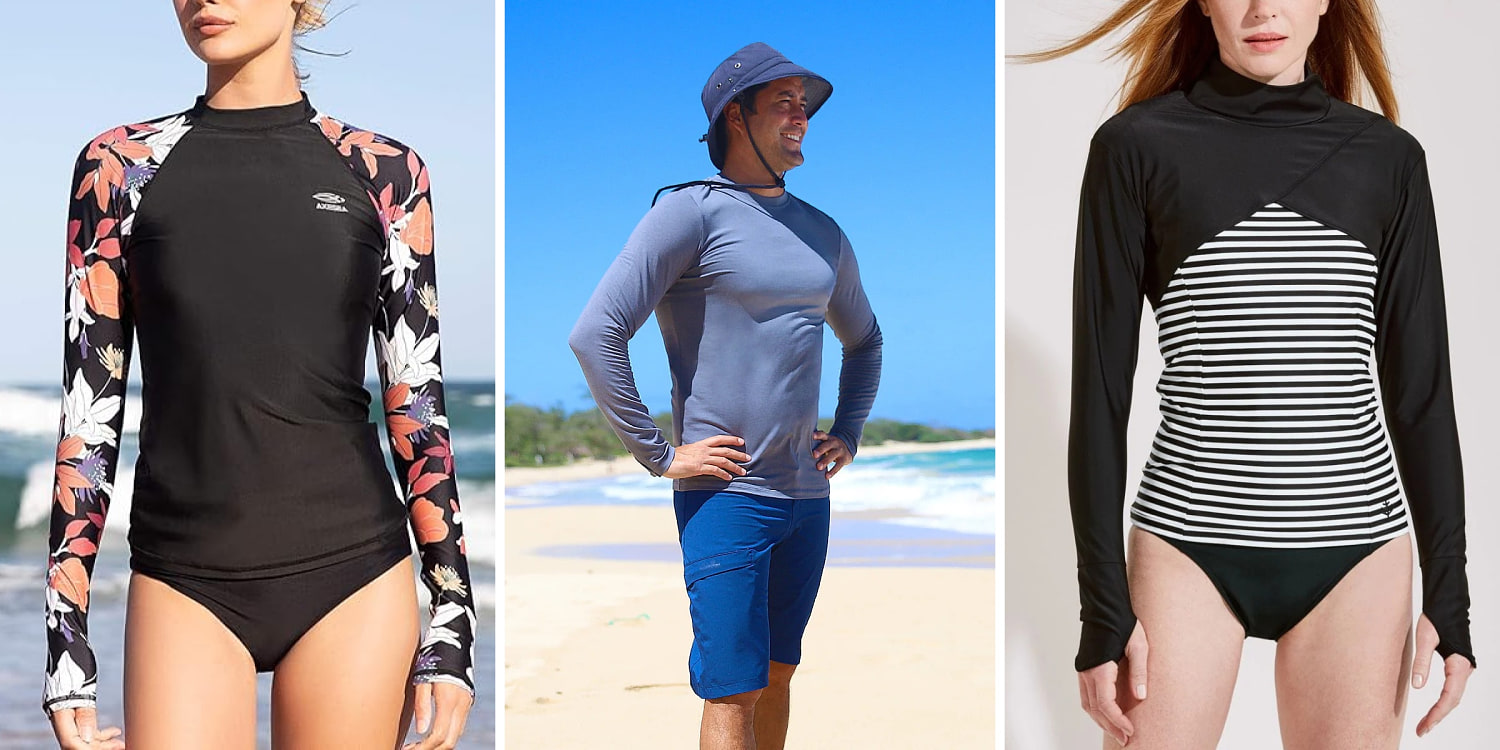
To protect your skin from ultraviolet radiation, standard summer clothing is completely inadequate, making specialized UPF clothing an absolute necessity for anyone spending extended time outdoors. A typical white cotton t-shirt provides an Ultraviolet Protection Factor (UPF) of roughly 5, which degrades even further when wet. This means up to 20% of harmful UV radiation passes directly through the fabric to your skin. True sun-protective apparel must carry a rating of UPF 30 to UPF 50+, blocking up to 98% of both UVA and UVB rays.
But the multi-billion-dollar sun-protection industry hides a darker reality. Consumers frequently overpay for marketing hype, misinterpret labels, and wash away their protection within a dozen laundry cycles. Choosing the right UPF clothing requires looking past the hangtags and understanding the physics of textiles.
The Mirage of the Cotton T-Shirt
Skin cancer rates continue to climb globally despite soaring sunscreen sales. The missing link in most prevention strategies is apparel. Most people view clothing as a definitive shield against the sun, but fabrics are actually porous grids filled with microscopic holes.
The weave dictates the protection. When a manufacturer creates a standard summer garment, they prioritize breathability and lightweight feel. This results in a loose weave. Hold a basic cotton shirt up to a window. The light streaming through those tiny gaps represents the exact path UV rays take to alter your cellular DNA.
UPF ratings measure the amount of UV radiation that penetrates a fabric and reaches the skin. A garment rated UPF 50 allows merely 1/50th of the sun's UV radiation to pass through. To achieve this, specialized apparel relies on factors that the average consumer rarely considers, creating a massive gap between perceived safety and actual exposure.
Fabric Chemistry vs. Mechanical Weave
There are two distinct methods for manufacturing sun-protective clothing, and they are not created equal.
The first approach is mechanical. Manufacturers weave or knit synthetic fibers like polyester and nylon so tightly that the physical gaps are smaller than the wavelengths of ultraviolet light. Synthetic fibers inherently absorb more UV radiation than natural fibers like cotton or linen. Rayon and silk offer almost no natural protection. By engineering these dense synthetic structures, brands create permanent UPF protection that will not wash out over time.
The second, cheaper method relies on chemical finishes. Manufacturers take a loosely woven, inexpensive fabric and drench it in UV-absorbing chemicals like zinc oxide, titanium dioxide, or optical brightening agents. On day one, this garment easily passes the laboratory tests required to earn a UPF 50+ label.
The chemical approach introduces a major vulnerability. Every time you throw a chemically treated shirt into a washing machine, the UV-absorbing coating degrades. Industry insiders know that many budget-tier UPF shirts lose their efficacy after 20 to 30 washes, reverting back to the protective equivalent of a standard t-shirt. The consumer remains oblivious, wearing a degraded garment into intense sunlight with a false sense of security.
The Hidden Variables That Ruin Your Protection
Buying a certified UPF 50+ garment does not guarantee you are getting 50+ protection in the real world. Several environmental and physical factors alter the performance of the fabric instantly.
The Moisture Trap
Water changes everything. When a fabric becomes wet from sweat or water exposure, the fibers swell and the spaces between the weave can open up, allowing more light to pass through. For standard cotton, wetness slashes the protective factor by half. For high-end synthetics, the drop is less severe, but it still compromises the rating. If you plan to wear sun clothing while paddleboarding, kayaking, or swimming, look for fabrics explicitly tested and labeled as protective when wet.
Fabric Stretch and Fit
Sizing down is a dangerous mistake when it comes to sun apparel. If a garment is too tight, the fabric stretches across your shoulders, chest, and back. This physical stretching pulls the yarn apart, widening the microscopic holes and letting radiation through. UPF clothing should always feature a relaxed or loose fit to ensure the weave remains relaxed and intact.
Color Physics
White is the default color of summer, yet it is the worst choice for sun safety. Darker colors like navy, black, and deep green absorb significantly more UV radiation than pastel shades or stark whites. A darker shirt made from the exact same material as a white shirt will consistently deliver a higher UPF yield. If you must wear light colors, the garment must rely on dense construction or mineral infusions to compensate for the lack of natural dye absorption.
Deciphering the Labels and Avoiding the Scams
The market is flooded with counterfeit or unverified claims. Because the consumer cannot visually distinguish between a standard polyester shirt and a certified UPF shirt, verification standards are critical.
Look closely at the clothing tags for references to recognized testing standards. In the United States, the benchmark is the ASTM D6603 standard, which dictates how UPF garments must be tested and labeled. In Europe, look for the EN 13758 standard. The most stringent testing protocol is UV Standard 801, which tests fabrics under real-world conditions, including when the material is wet, stretched, and mechanically worn down.
Industry Warning: Avoid brands that claim "Sun Protection" without listing a specific UPF number. Terms like "UV Blocking" or "Sun Shielding" are meaningless marketing buzzwords unless backed by an explicit UPF 30, 40, or 50+ rating linked to an established testing regulatory body.
A Blueprint for Your Sun Wardrobe
Building an effective sun-protection strategy requires matching the garment construction to your specific environment and activity level.
| Activity Type | Ideal Fabric Composition | Key Feature to Prioritize |
|---|---|---|
| Water Sports & Swimming | Heavyweight Polyester/Spandex blend | "Tested Wet" label, chlorine resistance |
| High-Exertion Hiking | Lightweight Nylon with mechanical stretch | Eyelet ventilation zones away from direct sun |
| Daily Commuting & Casual | Merino wool blends or densely woven linen | Darker color palettes, uncompromised breathability |
For intense heat, search for garments that utilize mineral-infused yarns. Some premium manufacturers extrude polyester fibers directly with crushed titanium dioxide or zinc oxide embedded inside the polymer matrix. Because the minerals are part of the liquid fiber itself before it is spun into thread, the sun protection can never wash out, offering a permanent shield for the entire lifespan of the clothing.
Pay close attention to construction details like flatlock seams, which prevent chafing when the garment fits loosely, and extended cuffs with thumbholes to protect the back of your hands. The back of the neck is another high-risk area; look for collars designed to stand up or hoodies with integrated gaiters.
The Lifecycle of Sun Protection
No garment lasts forever. Even if you purchase a mechanically woven, mineral-infused UPF 50+ shirt, the physical wear and tear of outdoor activity will eventually break down the fibers.
Inspect your sun apparel at the start of every season. Look for thinning areas around the shoulders, pilling of the fabric, or permanent stretching around the cuffs and hem. If the fabric appears translucent when held up to a standard light bulb, its ability to stop invisible UV radiation is gone. Replace your primary sun shirts every two years if you use them heavily during the summer months. Your skin health depends on treating these garments as pieces of protective equipment rather than disposable fashion.