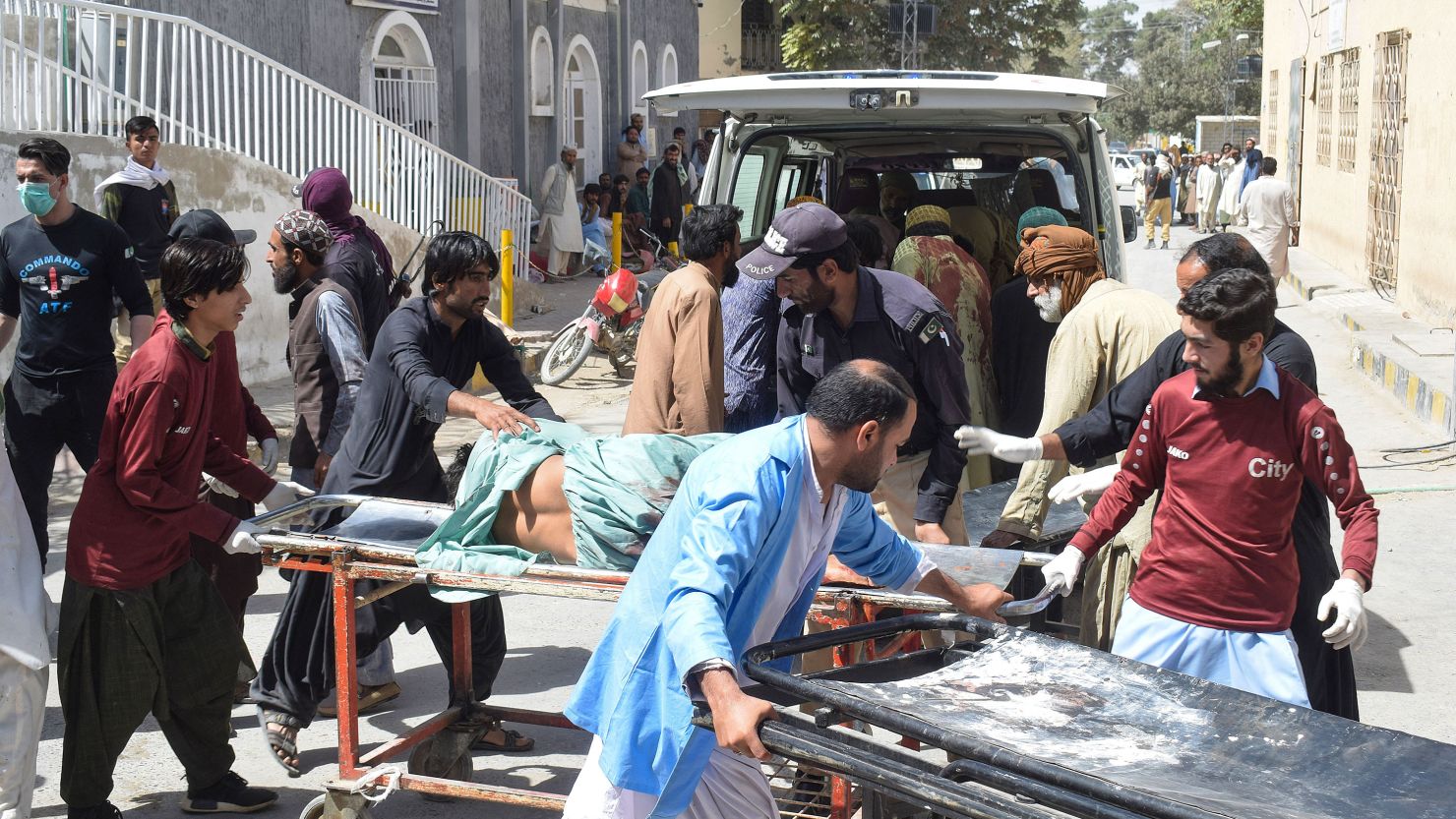
The execution of two Indian nationals outside a gurdwara in Italy is not an isolated incident of random street violence. It is a symptom of a much deeper, more malignant rot within the European agricultural labor market. Amritpal Singh and Jaspreet Singh were gunned down in broad daylight in the province of Latina, a region south of Rome where the booming agro-industrial sector rests almost entirely on the backs of thousands of Punjabi migrants. This double homicide pulls back the curtain on a brutal ecosystem of modern slavery, gang-controlled labor, and the failure of Italian authorities to protect the very workers who keep their "Made in Italy" food exports moving.
The killings occurred as the men were leaving their place of worship. This choice of location was intentional. It serves as a message. In the tight-knit migrant communities of the Pontine Marshes, the gurdwara is the only sanctuary from the grueling 14-hour shifts in the fields. By striking there, the perpetrators signaled that no space is safe. While local police are officially investigating "all leads," anyone familiar with the internal mechanics of the caporalato system knows that these bullets likely originated from a dispute over labor control or the refusal to pay predatory "protection" fees. Expanding on this topic, you can also read: Strategic Calculus of the UK UAE Security Corridor and Gulf De escalation.
The Caporalato Shadow Economy
To understand why Indians are dying in the Italian countryside, one must understand the caporalato. This is an illegal recruitment system where intermediaries—often from the same migrant community as the workers—act as ruthless middle-men between farm owners and laborers. These "caporali" control everything. they provide transportation, housing, and "work permits," all while skimming more than half of the worker's wages.
The numbers are staggering. Italy’s agricultural sector generates billions, yet an estimated 400,000 workers are at risk of exploitation, with roughly 100,000 of them living in conditions of total "para-slavery." The Punjabi community in Latina, numbering around 30,000, has become the backbone of this industry. They are preferred because they are hard-working and, crucially, vulnerable. Many arrive on seasonal visas that tie their legal status to a single employer, making it impossible to report abuse without facing immediate deportation. Analysts at BBC News have also weighed in on this situation.
When a worker tries to bypass the caporali or organizes others to demand the minimum wage—currently a distant dream for many earning three euros an hour—the system reacts with violence. The shooting of Amritpal and Jaspreet bears the hallmarks of a disciplinary action designed to maintain the status quo.
Blood on the Mozzarella
The world buys Italian produce for its prestige. We want the buffalo mozzarella, the sun-dried tomatoes, and the premium kiwi fruit. But the supply chain is soaked in the sweat and, increasingly, the blood of Indian laborers. The Italian state has passed laws to curb the caporalato, specifically Law 199/2016, which criminalizes both the intermediaries and the farm owners who hire them. Yet, enforcement is a ghost.
Inspectors are few and far between. Large-scale distributors often hide behind layers of subcontractors to maintain "plausible deniability" regarding how their vegetables are picked. This allows the retail price to stay low while the human cost remains hidden. The reality is that the Italian agricultural miracle would collapse overnight if every worker was paid a legal, living wage and provided with basic safety equipment.
The Psychology of Fear and Silence
Why don't they just leave? It is a question often asked by those who have never carried a debt of 15,000 euros to a human trafficker. Most of these men arrive in Italy after selling family land in Punjab or taking high-interest loans from local sharks. They are not just working for themselves; they are working to keep their families back home from total financial ruin.
This debt is the primary tool of the caporali. If a worker complains about the lack of water in the fields or the fact that they are being forced to take "energy-boosting" drugs (often methamphetamines or opioids) just to keep up with the pace, the middle-man simply threatens to revoke their housing or report them to the carabinieri. The silence is bought with the threat of homelessness and the shame of returning home empty-handed.
The Failure of International Oversight
The Indian government’s response to these recurring tragedies has remained largely performative. Diplomatic cables are sent, and "deep concerns" are expressed, but there is no significant pressure on Rome to reform the visa systems that facilitate this exploitation. The "Flows Decree" (Decreto Flussi), which dictates the number of non-EU workers allowed into Italy, is frequently exploited by criminal syndicates who sell work permits for thousands of euros to desperate villagers in India.
A Pattern of Neglect
- Labor Trafficking: Misuse of seasonal visas to create a permanent underclass of undocumented workers.
- Physical Abuse: Documentation of workers being beaten for taking breaks or failing to meet impossible quotas.
- Chemical Exposure: Chronic health issues among Punjabi workers due to the use of banned pesticides without protective gear.
- Fatalities: Beyond shootings, many workers die from heatstroke or "accidents" that are never properly recorded because the victim didn't officially exist on the company books.
The shooting in Latina is a flashpoint, but the fire has been burning for decades. It is an indictment of a global food system that prioritizes cheap exports over the lives of those at the very bottom of the pyramid. The Italian authorities may find the gunmen, but unless they dismantle the economic structures that make those gunmen necessary, more bodies will be found in the fields.
The Migrant as a Disposable Resource
In the eyes of the Italian agro-mafia, the Indian migrant is not a human being with rights; he is a variable in a profit-and-loss statement. When one falls, there are a thousand more waiting in Punjab, fueled by the same dreams of a European life and the same misinformation spread by unscrupulous recruiters. This is the pipeline of the damned.
The investigation into the deaths of Amritpal and Jaspreet Singh must move beyond the local triggermen. It must follow the money from the blood-stained soil of Latina to the boardrooms of the distributors and the shelves of high-end European supermarkets. Anything less is just theater.
The true solution requires more than just police raids. It demands a total overhaul of how Europe imports labor and how it tracks its food. It requires giving migrant workers the right to switch employers without losing their residency, effectively breaking the chains of the caporalato. Until the worker is decoupled from the master, the fields of Italy will continue to be a graveyard for the dreams of Punjab.
Stop buying the lie that this is a simple criminal matter. This was an assassination carried out by an industry that cannot survive in the light of day. The blood is on more hands than just the ones that pulled the trigger. Demand to know who picked your food.