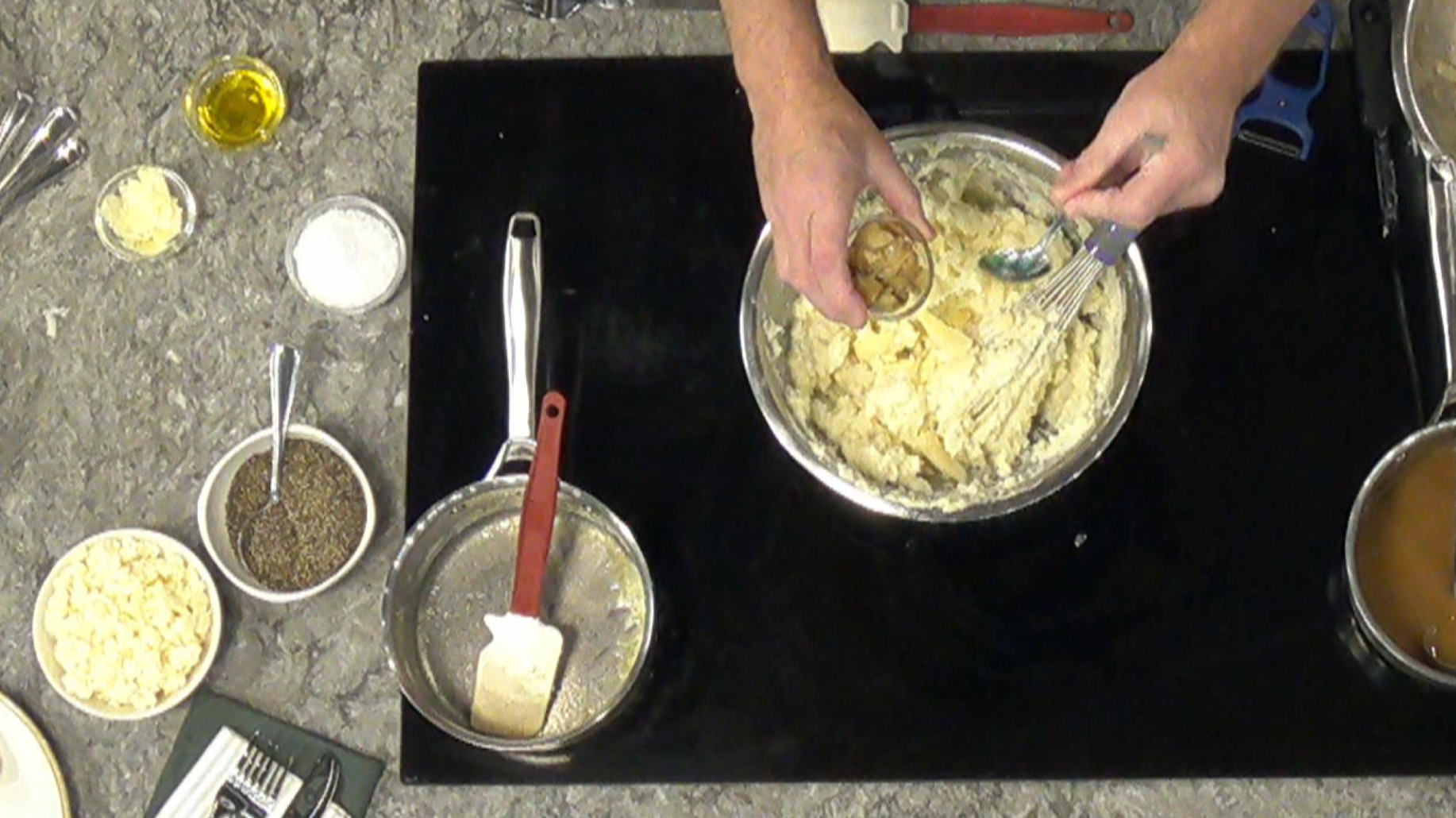
The secret behind White Spot’s best everyday mashed potatoes comes down to three non-negotiable choices: high-starch Russet potatoes, warm heavy cream instead of cold milk, and aggressive moisture evaporation before a single drop of dairy touches the pot. Most home cooks fail at mashed potatoes because they treat them as a casual afterthought, drowning waterlogged tubers in cold butter and overworking the starch until it turns into wallpaper paste. White Spot, a Canadian restaurant institution operating since 1928, engineered its side dish to survive high-volume line service without separating, drying out, or losing its velvety structure.
You do not need culinary school training to replicate this standard on a Tuesday night. You only need to stop sabotaging the starch.
The Anatomy of a Diner Classic
Walk into any White Spot from Vancouver to Victoria, and the plate arrives with a distinct structural anchor. Alongside the Triple O burger or the roasted turkey dinner sits a scoop of mashed potatoes that holds its shape under a ladle of hot gravy yet dissolves instantly on the palate.
Commercial kitchens cannot rely on luck. A side dish served thousands of times a day requires chemical predictability. When White Spot published its benchmark everyday mashed potato method, home cooks flocked to it expecting a magic ingredient. There isn't one. No truffle oil. No cream cheese. No roasted garlic cloves masquerading as technique.
Instead, the recipe relies on strict adherence to thermal management and fat encapsulation.
To make the authentic White Spot everyday batch at home, gather these exact components:
- 3 pounds of Russet potatoes, peeled and cut into uniform 2-inch chunks
- 1 tablespoon of kosher salt for the boiling water, plus more to taste
- 1/2 cup (1 stick) of unsalted butter, cubed and softened to room temperature
- 3/4 cup of heavy whipping cream (35% milkfat) or whole milk for a slightly lighter profile, warmed
- 1/4 teaspoon of freshly ground white pepper (black pepper works, though white preserves the clean visual aesthetic)
Notice the ratios. A traditional French pommes purée—made famous by Joël Robuchon—uses an absurd 2-to-1 ratio of potatoes to butter. That is a luxury item meant to be eaten two spoonfuls at a time. White Spot’s everyday formula sits around a 6-to-1 ratio of potato to butter, supported by high-fat cream. It is engineered for eatability. You can finish an entire plate of it without feeling like you swallowed a brick.
Why Home Cooks Ruin Starch
Potatoes are deceptive. They look sturdy, almost indestructible, sitting in a burlap sack in your pantry. Under heat and agitation, however, they are fragile biological packages of starch granules held together by pectin.
When you boil a potato, heat breaks down the pectin glue. Water rushes into the starch granules, causing them to swell like microscopic balloons. This process is called gelatinization. If you treat those swollen balloons gently, they separate cleanly, yielding a fluffy, light texture. If you beat them violently with an electric hand mixer or a food processor, you rupture the cell walls.
Free amylose starch spills out everywhere.
When free starch mixes with water, it creates a sticky, elastic network. You have just made glue. No amount of butter can rescue gluey potatoes; adding more fat will only cause the mixture to split into a greasy puddle surrounding gray, gummy lumps.
The Cold Water Rule
Never drop raw potatoes into boiling water. Ever.
If you throw cold chunks into a rolling boil, the exterior of the potato cooks and turns to mush while the core remains raw and crunchy. By the time the center is tender enough to pierce with a fork, the outside has disintegrated into the cooking water, taking flavor with it and leaving behind a waterlogged sponge.
Start with cold tap water. Cover the potatoes by at least an inch, add your salt, and bring the pot up to a gentle simmer over medium-high heat. The temperature rises gradually, allowing the heat to penetrate to the core at the exact same rate it softens the exterior. Uniformity is everything. If one chunk is the size of a golf ball and another is the size of a marble, your pot is doomed before the burner even ignites.
The Evaporation Step Almost Everyone Skips
Drain the potatoes the exact second a paring knife slips into the largest chunk with zero resistance. Do not let them sit in the hot water while you finish searing a steak.
Once drained in a colander, dump the steaming chunks straight back into the empty, hot pot. Put that pot back over low heat for 60 to 90 seconds, shaking it gently. You will see clouds of steam billow upward.
This is the single most critical minute in the entire process.
Water is the enemy of flavor and texture. A wet potato cannot absorb fat; oil and water repel each other. By driving off excess surface moisture on the residual heat of the burner, you create dry, thirsty starch granules eager to soak up melted butter and warm cream. Skip this step, and your potatoes will weep watery liquid onto the plate ten minutes later.
Temperature Shock and the Emulsion Trap
Watch what happens when you take a cold stick of butter straight from the refrigerator and drop it onto hot potatoes, followed by cold milk from the carton.
The temperature of the potatoes plummets immediately. Cold butter does not emulsify cleanly; it melts unevenly, coating some starch granules while leaving others bare. Meanwhile, cold milk shocks the starches, tightening them up and forcing you to stir longer and harder just to bring the mixture together. Again, over-stirring equals glue.
White Spot’s line cooks keep their dairy warm on the steam table for a reason.
While your potatoes simmer, put the heavy cream and cubed butter into a small saucepan over low heat until the butter melts and the cream is hot to the touch—do not let it boil, or the milk proteins will scorch and skin over.
The Sequence of Fat
When your potatoes are steamed dry in the pot, mash them before adding the liquid.
Use a potato ricer, a food mill, or a simple wire-grid hand masher. Pass the dry potatoes through the tool once. Do not beat them. Once you have a pile of fine, fluffy potato snow, pour in the melted butter first. Fold it in gently with a silicone spatula.
Why butter before cream? Because fat coats the starch granules, creating a protective barrier that prevents water (from the milk or cream) from swelling the starches into a sticky mess. Once the butter is absorbed and the potatoes look glossy, slowly fold in the warm cream a few tablespoons at a time until the mixture reaches a soft, billowy peak.
Selecting the Right Tuber
Walk down the produce aisle and you will see three main categories of potatoes: starchy, waxy, and all-purpose. Choosing the wrong one guarantees failure regardless of your technique.
| Potato Variety | Starch Content | Moisture Level | Best Culinary Use | Mashed Potato Result |
|---|---|---|---|---|
| Russet (Idaho) | High (20–22%) | Low | Baking, frying, mashing | Fluffy, dry, absorbs maximum dairy |
| Yukon Gold | Medium (16–18%) | Medium | Roasting, mashing, soups | Dense, velvety, naturally buttery |
| Red Bliss | Low (13–15%) | High | Potato salads, boiling | Waxy, heavy, requires heavy mashing (turns gluey) |
White Spot relies on Russets because their high starch and low moisture content act like a blank canvas. They break down effortlessly with minimal mechanical force, yielding that classic North American diner fluffiness.
Yukon Golds are the darling of modern food magazines, and they have their place. They possess a natural golden hue and an inherent richness that lets you get away with slightly less butter. However, Yukon Golds have denser cell structures than Russets. They require slightly more effort to mash and produce a heavier, creamier texture rather than a light, airy cloud. If you want an ultra-decadent dinner party side, blend 75% Russets with 25% Yukon Golds. For the true everyday White Spot profile, stick strictly to Russets.
Never use Red Bliss, fingerlings, or new potatoes. Their low starch and high moisture levels mean they hold their shape stubbornly. Trying to mash them into smoothness requires so much physical force that you will inevitably rupture the cells and end up with a gummy disaster.
The Holding Problem How Restaurants Keep Mash Fresh
Home cooks have one massive advantage over commercial kitchens: you can serve the potatoes 30 seconds after you finish making them.
Restaurants have to hold mashed potatoes for hours during a dinner rush without them developing a crusty skin on top or turning gray at the bottom of the pan. If you are cooking for a holiday crowd or prepping ahead for a busy week, you face the exact same logistical problem.
Do not leave finished mashed potatoes sitting directly over a burner flame. The bottom will scorch within three minutes, and stirring burned bits into the batch ruins the entire pot.
Instead, build a makeshift double boiler. Fill a large saucepan with two inches of water and bring it to a bare simmer. Set a heatproof glass or metal bowl containing your finished mashed potatoes snugly on top of the pan, ensuring the bottom of the bowl does not touch the water. Cover the bowl tightly with plastic wrap or a lid. The gentle, indirect steam keeps the potatoes at an ideal serving temperature of 150°F for up to two hours without drying them out or breaking the emulsion.
Reheating Without Ruining Leftovers
Cold mashed potatoes turn firm because the starches undergo retrogradation—they crystallize and expel water as they cool down.
If you throw cold leftovers into a dry skillet or blast them on high in the microwave, the exterior dries out while the core stays ice cold. To revive them properly, place the cold potatoes in a covered pot over very low heat with two tablespoons of heavy cream or whole milk per cup of potatoes. Let the steam warm them through gently, folding occasionally with a spatula until the starches relax and reabsorb the moisture.
Flavor Adjustments That Respect the Base
The beauty of an everyday recipe is its restraint. White Spot’s version tastes distinctly of sweet cream, browned butter notes, and earthy potato. If you start dumping handfuls of raw scallions, sharp cheddar, and bacon bits into the pot, you are no longer making everyday mashed potatoes—you are making a loaded baked potato casserole.
That said, subtle upgrades can elevate the baseline without destroying its identity:
- Infuse the cream. Drop two smashed garlic cloves, a sprig of fresh thyme, and a bay leaf into the cream and butter while they warm on the stove. Steep for 10 minutes, then strain the solids out before folding the liquid into the potatoes. You get deep aromatic complexity without bits of raw garlic interrupting the smooth texture.
- Brown the butter. Instead of merely melting your stick of butter, let it bubble over medium heat until the milk solids toast to a deep hazelnut brown and smell nutty. Pour that brown butter straight into the dry, riced potatoes. It adds an instant savory backbone that makes the dish taste like it simmered all day.
- Finish with acid. Rich dairy and heavy starch can occasionally feel flat on the tongue. A single teaspoon of sour cream, buttermilk, or crème fraîche folded in at the very end introduces a microscopic hit of lactic acid that brightens the entire dish and cuts through the fat.
The Step-by-Step Execution
Precision matters more than talent. Follow this exact sequence to eliminate every variable that causes failure.
- Prep uniformly. Peel 3 pounds of Russet potatoes, removing any deep eyes or green spots. Cut them into equal 2-inch cubes. Drop them immediately into a large pot of cold water so they do not oxidize and turn pink or gray.
- Salt aggressively. Drain the soaking water, refill with fresh cold water until the potatoes are submerged by one inch, and add 1 tablespoon of kosher salt. Potatoes absorb seasoning internally as they cook; if you wait until the end to add salt, the exterior tastes salty while the inside tastes bland.
- Simmer, never boil. Bring the pot to a gentle bubble over medium-high heat, then reduce the heat to maintain a steady simmer. Cook uncovered for 15 to 20 minutes until a sharp knife slides into the thickest piece effortlessly.
- Warm the dairy. During the last five minutes of simmering, combine 1/2 cup cubed unsalted butter and 3/4 cup heavy cream in a small saucepan over low heat until melted and steaming. Keep warm.
- Steam dry. Drain the potatoes thoroughly in a colander. Return them to the empty cooking pot over low heat for 60 to 90 seconds, shaking the pan until the surface of the potatoes looks chalky and dry. Remove from heat.
- Rice and fold. Pass the dry potatoes through a potato ricer directly back into the pot. Pour in the warm melted butter and fold gently with a spatula until absorbed. Gradually fold in the warm cream until smooth and billowy.
- Season and serve. Stir in 1/4 teaspoon of white pepper and taste for salt, adjusting as needed. Transfer to a warmed serving bowl, top with a final pat of cold butter for visual gloss, and get it to the table immediately.
Stop treating mashed potatoes like a throwaway filler next to the protein. Control the water, warm the dairy, respect the starch, and never touch an electric mixer.