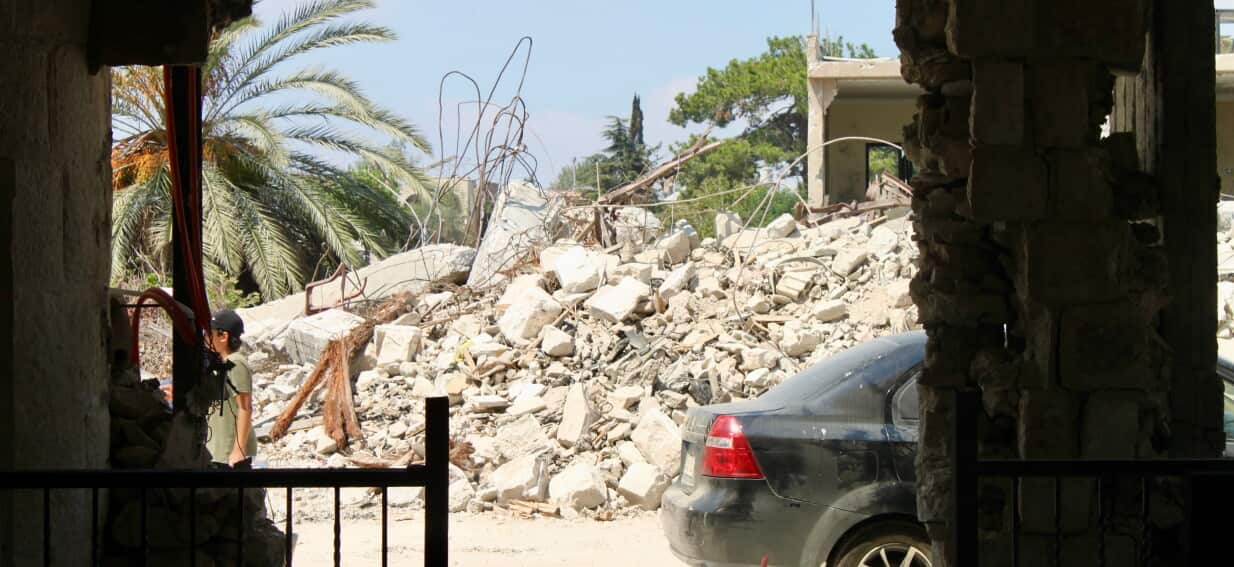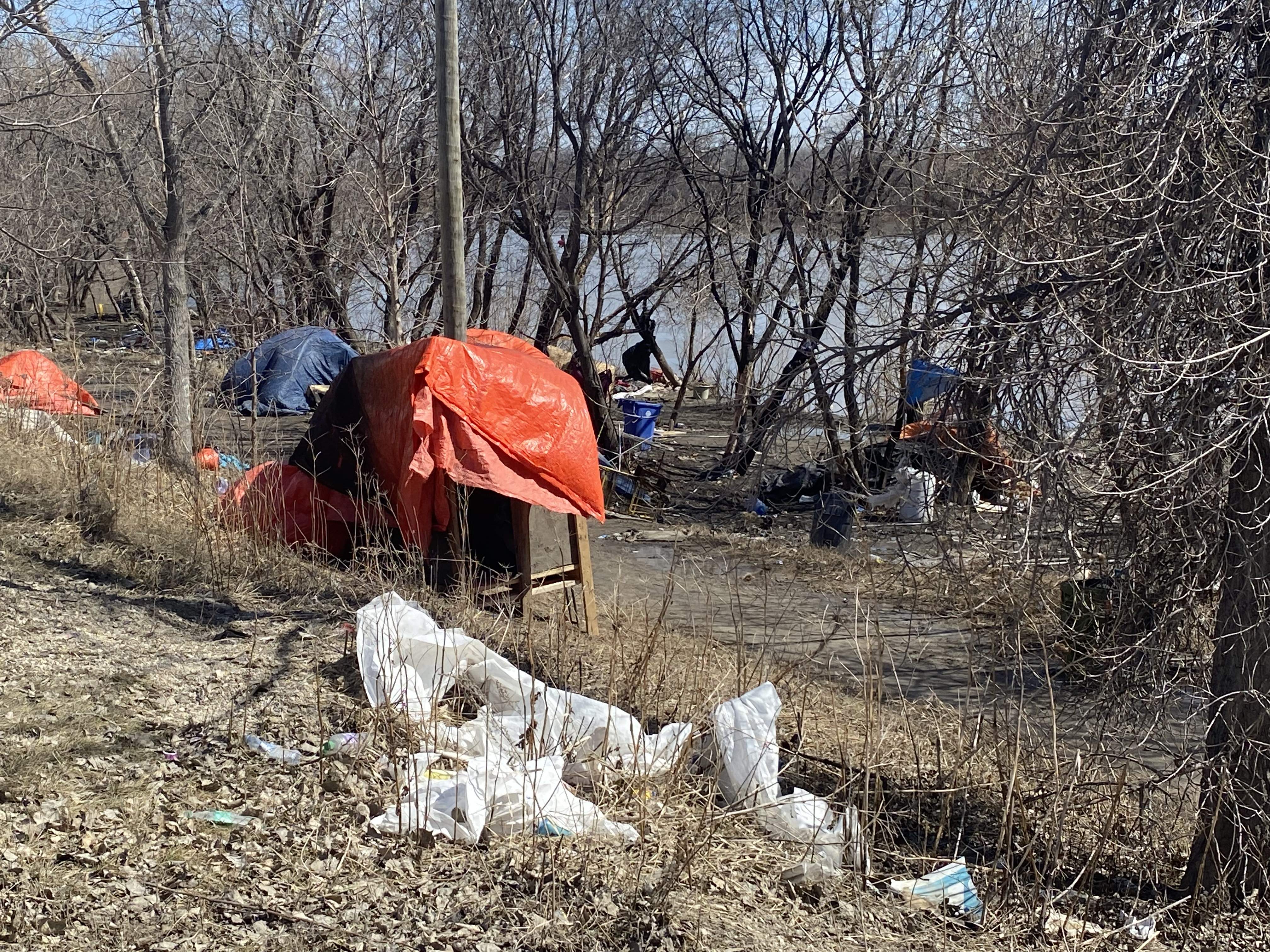
Municipal leaders across the country stand before microphones and declare success. They point to empty pavement, freshly swept concrete, and bulldozers retreating from public parks. The visual narrative is clean. The political talking points are polished. Encampments are shrinking in downtown corridors, and local administrators claim they are finding proper places for unhoused residents to go.
That version of events relies on erasure.
When city crews clear a tent city, the human beings living inside do not simply vanish into pre-arranged permanent housing. More often, they scatter into industrial alleys, remote railway embankments, highway underpasses, and neighboring suburbs that lack the resources to cope. The policy of displacement operates as an expensive shell game. It moves visible poverty out of shopping districts while failing to address the structural deficits driving the crisis. If you look past the official press releases, a darker reality emerges. Governments are investing heavily in enforcement mechanics while affordable housing stock dwindles to historic lows.
The Mechanics of Displacement
Urban management strategies regarding public camping have shifted dramatically over the last decade. Cities once relied primarily on periodic sweeps that treated homelessness as a temporary public nuisance. Today, municipalities utilize aggressive sweeps backed by expanded police presence, municipal ordinances, and private security contractors.
These operations cost millions of dollars in taxpayer funds per deployment. Sanitation crews throw away vital survival gear, identification documents, and medication. Social workers assigned to these operations often arrive empty-handed, lacking immediate housing placements or effective treatment beds. They offer temporary shelter referrals instead. Those referrals frequently come with restrictive rules, curfews, separation from partners or pets, and safety concerns that make unhoused individuals choose the streets over the bed.
The cycle repeats endlessly. A camp forms. Complaints rise from nearby businesses. Notice is posted. Law enforcement arrives. The camp is dismantled. The residents relocate three blocks away. This ritual satisfies political donors and downtown business associations who demand immediate aesthetic relief. It does nothing to solve the underlying housing emergency.
The Myth of Available Shelter
Elected officials love to cite shelter bed capacity statistics when defending clearance policies. Those numbers obscure a fundamental mismatch between system capacity and human need.
Emergency shelters operate under stringent constraints. Many operate only at night, forcing residents back onto the pavement every morning regardless of weather or health status. Others enforce zero-tolerance drug and alcohol policies without offering adequate medical detoxification or long-term rehabilitation support. For individuals struggling with severe mental illness or trauma, crowded communal sleeping rooms trigger acute panic and danger rather than a sense of safety.
Furthermore, shelter is not housing. Treating emergency congregate settings as permanent solutions is a policy failure disguised as humanitarian aid. Without private doors, secure storage for belongings, and a pathway toward stable permanent tenancy, shelters function as holding pens. People cycle through them for years, trapped in an institutional loop that burns out caseworkers and demoralizes residents.
Municipalities looking for places for people to go must confront a harsh economic truth. You cannot shelter your way out of a housing deficit driven entirely by soaring rents and stagnant wages.
Where the Displaced Actually Go
When urban centers push unhoused populations outward, the geography of destitution changes.
People move toward the fringes. They settle in flood zones, steep ravines, and industrial brownfields where code enforcement is lax and public visibility is low. These locations introduce severe hazards. Residents face extreme vulnerability to extreme weather events, lack clean water access, and sit far away from emergency medical services.
Suburban municipalities report rising numbers of unhoused residents sleeping in personal vehicles, public libraries, and wooded tracts near transit lines. These smaller communities rarely possess the infrastructure, non-profit networks, or budgetary resources to provide adequate support. The problem is not solved; it is simply decentralized and made more dangerous.
Meanwhile, retail districts and tourist zones enjoy a temporary veneer of cleanliness. The human cost remains hidden behind concrete highway pillars and distant brush lines out of sight from morning commuters.
Building Real Infrastructure
Addressing this crisis requires abandoning the illusion that enforcement equals resolution. Municipalities must redirect funds away from repetitive sweeps and toward permanent, low-barrier housing models that respect human dignity.
Housing First initiatives have repeatedly proven that stability comes before behavioral compliance. When people receive a permanent key, a lockable door, and voluntary support services, their engagement with healthcare and employment programs increases dramatically. It costs significantly less to house an individual permanently than to fund their perpetual cycle through emergency rooms, jails, and municipal clean-up crews.
Building that housing requires political courage. It means overriding exclusionary zoning laws, investing public capital into affordable developments, and telling property owners that public space belongs to everyone, including those who cannot afford rent. Until city halls stop treating unhoused human beings as logistical inconveniences to be swept away, the tents will simply rise again down the block.