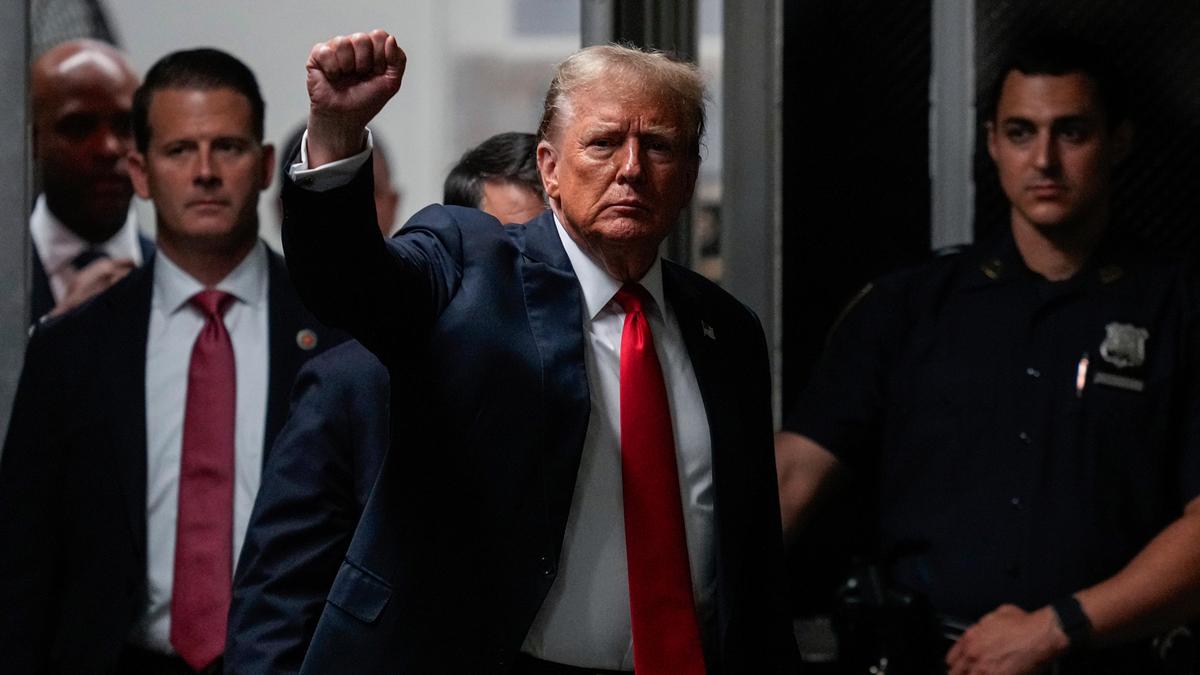
Donald Trump doesn’t do subtlety. When he talks about Iran, he leans into a brand of maximalist pressure that leaves seasoned diplomats shaking in their boots. We’ve seen the posts. We’ve heard the rallies. He’s suggested, in no uncertain terms, that if Iran targets him or makes a move he dislikes, the response will be a total wipeout. Some call it "genocidal threat." Others call it a classic Trumpian negotiation tactic. Regardless of the label, it’s pushing any hope for a stable deal into a dark corner where it might just die.
Understanding this isn’t just about parsing tweets. It’s about the collision of high-stakes nuclear physics and the loudest megaphone in world politics. You’re looking at a situation where the "Art of the Deal" meets a regime that doesn't scare as easily as some might hope.
Why Trump’s Rhetoric Hits Differently Now
It’s easy to dismiss his words as campaign trail noise. That’s a mistake. When a former and potentially future president talks about "obliterating" a nation of 85 million people, the world listens. This isn't just about bravado. It’s a calculated attempt to reset the power dynamic after years of what he views as weak enforcement by the Biden-Harris administration.
Look at the history. Trump pulled out of the JCPOA in 2018. He thought he could squeeze Tehran until they cracked. Instead, they spun more centrifuges. They enriched uranium to 60%, a hair’s breadth from weapons-grade. The "maximum pressure" campaign was a mixed bag at best. It crippled the Iranian economy—inflation is a nightmare for the average person in Tehran—but it didn't stop the nuclear clock. It sped it up.
The current threat level is higher because the guardrails are gone. We aren't in 2015 anymore. Iran has learned how to live under sanctions. They’ve built an "oil ghost fleet" to keep the cash flowing to China. They aren't the same desperate negotiators they were a decade ago. Trump’s threats are meant to shock them back to the table, but they might just shock them into finishing a bomb.
The Elusive Nuclear Deal That No One Can Catch
Everyone talks about a "new deal." Nobody actually knows what it looks like. To Trump, a good deal means Iran gives up everything: missiles, regional proxies, and every last ounce of enriched material. To the Iranians, a deal only matters if the sanctions go away for good and stay away.
They saw how easily a US president could tear up a signature. Why would they trust another one?
- Trust is a dead currency. Washington doesn't trust Tehran to stop lying about their past work. Tehran doesn't trust Washington to keep its word after the next election.
- The regional map has changed. Iran is now providing drones to Russia and deepening ties with Beijing. They have friends now.
- The sunset clauses. The original deal had expiration dates. Those dates are coming up or have passed. A new deal has to start from scratch in a much more hostile environment.
I’ve seen enough foreign policy cycles to know that "maximum pressure" only works if the other side has an exit ramp. If you tell them you’re going to destroy them no matter what, they have no reason to talk. They have every reason to dig in.
Miscalculations and the Risk of Total War
The biggest risk here isn't a planned invasion. It’s a mistake. One intercepted drone or one misinterpreted social media post could trigger a kinetic response. Trump’s language narrows the space for "de-escalation." If you’ve promised your base you’ll be the toughest guy in the room, you can't afford to look like you’re backing down.
The Iranian leadership is equally boxed in. Supreme Leader Ali Khamenei faces internal pressure from hardliners who think the 2015 deal was a betrayal. They want a nuclear deterrent because they see what happened to Gaddafi in Libya. He gave up his program and ended up dead. They see North Korea, which kept its nukes and gets invited to summits. The logic is brutal but simple.
Breaking the Cycle of Failed Sanctions
We keep doing the same thing. We add a name to a list. We freeze an account. We wait. It hasn’t worked to change the regime's core behavior. If Trump returns to the White House with this "obliteration" mindset, the first 100 days will be a pressure cooker.
You should expect an immediate crackdown on Chinese refineries buying Iranian crude. That’s the only real lever left. If you can't stop the nukes, you try to starve the engine. But China isn't exactly in a cooperative mood lately. They’ll likely see US pressure on Iran as an opportunity to tweak Washington’s nose.
What Actually Happens Next
Don't wait for a grand signing ceremony. It's not coming. Instead, watch for "quiet" deals—small arrangements where Iran slows enrichment in exchange for a little less enforcement on oil. It’s messy. It’s ugly. But it’s the only thing that keeps the lights on without starting a third world war.
If you’re tracking this for your portfolio or just out of a sense of dread, keep your eyes on the IAEA reports. They are the only ones with eyes on the ground. If they get kicked out, the "elusive deal" isn't just elusive—it’s extinct.
The strategy for anyone watching this is clear. Stop listening to the volume of the threats and start looking at the flow of oil and the percentage of isotopes. That's where the real story lives. Hard talk sells tickets, but hard data runs the world. Watch the enrichment levels at Fordow and Natanz. If those numbers hit 90%, all the rhetoric in the world won't matter anymore. The clock is ticking, and the loudest guy in the room just might be the one to knock it off the table.