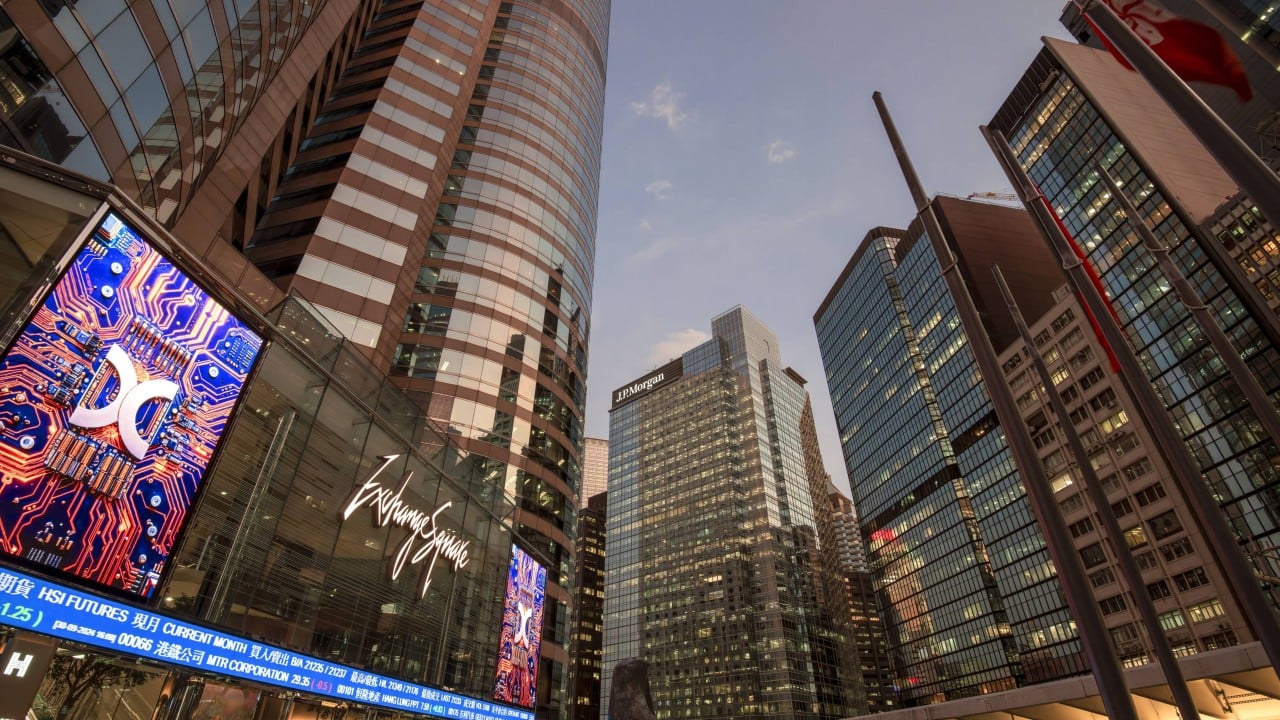
The coffee in the glass-fronted boardroom on the fortieth floor of the International Finance Centre was cold. It had been cold for an hour.
Arthur sat staring at the condensation tracing a slow, erratic path down the double-glazed windowpane, watching the harbor below. Ferries churned white foam across Victoria Harbour like stitches on a dark blue coat. Out there, the city looked invincible. Up here, under the recessed LED lighting that hummed a low, hypnotic note, the mood was different. It smelled of expensive cologne, dry anxiety, and stale pastry.
Across the mahogany table, a portfolio manager whose tailored suit cost more than a secondhand sedan was rubbing his temples. He had just hung up the phone with a sovereign wealth client in the Middle East. The message was brief, polite, and absolute: We are pausing our allocation.
Just like that, a billion-dollar public offering was bleeding out on a spreadsheet.
To understand why the Hong Kong initial public offering boom is stuttering, you have to stop looking at the macroeconomic indices for a moment and look at the people holding the checkbooks. For months, the financial press has buzzed with talk of a grand renaissance in the Asian capital. Bankers in Central rubbed their hands together, promising a triumphant return to the glory days when every bell-ringing ceremony in the exhibition hall downstairs marked a stampede of capital.
They forgot one fundamental truth about big money. Money is a coward.
Cornerstone investors—those heavy-hitting institutions, sovereign funds, and billionaire tycoons who agree to buy a massive chunk of a company's shares before it even goes public—are the invisible gravity holding these deals together. When a cornerstone signs on, they are essentially writing a public love letter to the market. They say, Trust us. We have done the math. This thing is safe.
Except, right now, they are getting cold feet.
Consider what happens when the tide goes out. Imagine sitting in a private office in Riyadh or Singapore, looking at a term sheet for a massive tech or manufacturing firm slated to list in Hong Kong. The valuation looks rich, baked with optimistic assumptions about future growth curves in mainland manufacturing and consumer spending. Then you turn on the news. You read about regulatory shifts, stubborn liquidity squeezes, and a sluggish domestic property market casting a long, grey shadow over consumer confidence.
The math stops adding up. The risk-reward ratio tilts. The phone call gets made.
"It is not that the market is dead," Arthur said quietly, breaking the silence in the boardroom while swirling the dark dregs of his espresso. He didn't look up from the harbor. "It is that the illusion of easy certainty has shattered. Nobody wants to be the bag-holder at the feast."
This hesitation is not born of malice or sudden panic; it is the calculated caution of burned fingers. Over the past few cycles, several high-profile listings debuted to great fanfare only to crash below their issue price within weeks of trading. The secondary market has been unforgiving. Retail investors, battered by years of volatility, have grown cynical. When the public appetite sours, cornerstone backers—who are legally locked into holding their shares for six months—find themselves staring down a terrifying prospect: catching a falling knife in public view.
The mechanics of an IPO are often portrayed as a triumph of cold logic, a pristine dance of supply and demand choreographed by brilliant minds in gleaming towers. But peel back the financial disclosures and the legal prose, and you find a deeply human drama of trust, fear, and reputation.
When a cornerstone backer walks away, it triggers a domino effect. Other institutional investors, sensing the vacuum, demand steeper discounts. The underwriters, caught between issuers demanding lofty valuations and buyers smelling blood in the water, sweat through their collars. The issuer, having spent millions on legal fees, auditing, and roadshows across New York, London, and Dubai, faces an agonizing choice: pull the plug and swallow the embarrassment, or press forward into a hostile market and risk a disastrous debut that permanently damages their corporate brand.
We have seen this movie before. The historical rhythm of Asian capital markets is a pendulum swinging between wild euphoria and paralyzing caution. In the roaring years, liquidity flooded every corner, and companies rushed to market with little more than a slide deck and a dream. Today, the pendulum has swung hard back to reality.
Yet, beneath the surface anxiety, something healthier is quietly taking root.
The era of inflated valuations and hollow hype is buckling under its own weight. Issuers are being forced to re-evaluate what they are actually worth. They are having hard conversations about pricing discipline, operational efficiency, and sustainable growth rather than explosive, subsidized expansion. Bankers are spending less time hyping up the narrative and more time structuring deals that can survive a rainy day.
Arthur stood up from the mahogany table, buttoned his jacket, and walked toward the elevator. The harbor lights were beginning to flicker on through the gathering dusk, turning the skyline into a constellation of neon and steel.
The boom may be stalling, and the cornerstone backers may be retreating to the safety of cash and short-term yields, but the market is not disappearing. It is simply shedding its skin.
Behind the polished glass doors of the exchange, tomorrow morning the bell will ring again. Someone will stand on the podium, smiling for the cameras, holding a giant ceremonial gong mallet. Whether anyone is standing in the audience to clap when it strikes remains to be seen. But the city was built on resilience, weathering storms far more violent than a temporary drought of confidence.
The water in the harbor keeps moving, indifferent to the fortunes traded above it, dark and deep and waiting for the tide to turn.