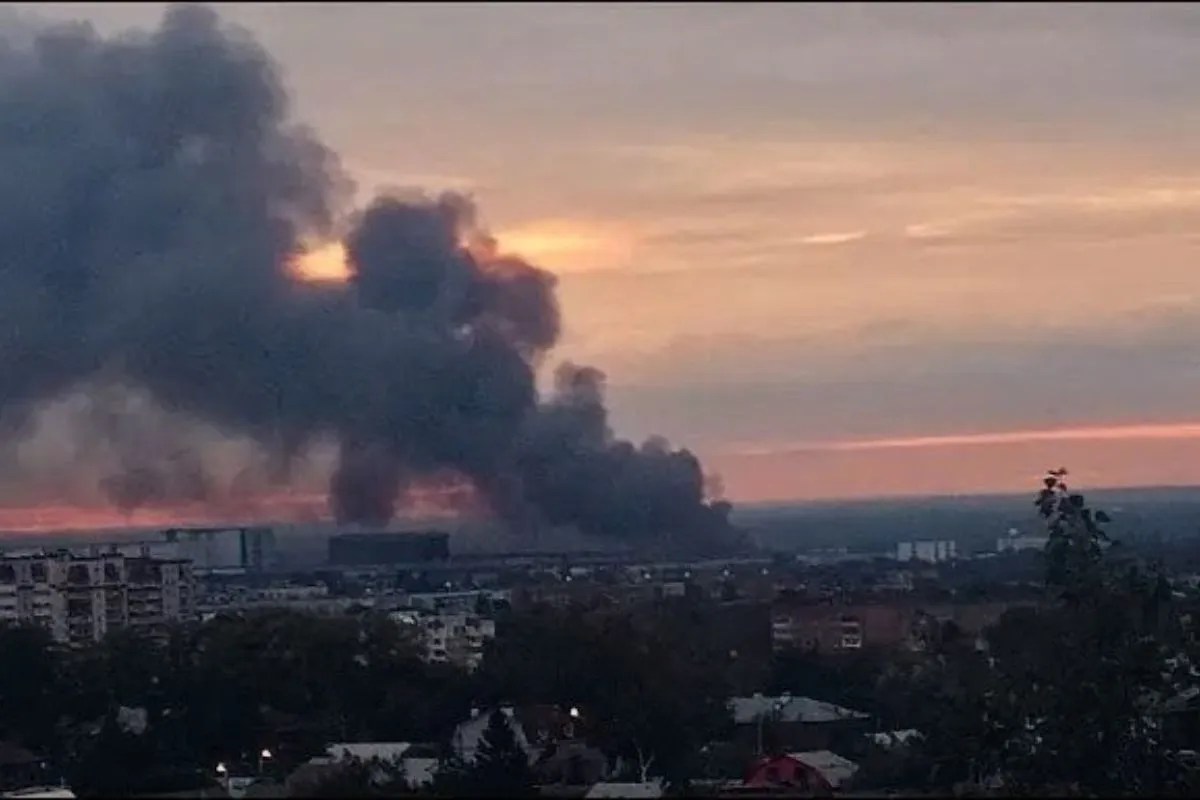
The dust in Khartoum does not settle. It hangs in the heavy air like a suspended judgment, coating the windows of abandoned storefronts, settling into the creases of weary hands, and stinging the eyes of children who have learned to measure time not by hours, but by the distant, rhythmic thud of artillery.
To understand what happened when General Abdel Fattah al-Burhan drew a line in the sand—offering blanket immunity for a fragile dialogue while slamming the door shut on any future for his former brother-in-arms turned mortal enemy, Mohamed Hamdan Dagalo, known universally as Hemedti—you have to look beyond the cold dispatches coming from Port Sudan. You have to look at the kitchen tables where families no longer gather. You have to look at the wreckage of a nation that was promised a democratic dawn and woke up instead to a nightmare of fractured loyalties.
Consider a hypothetical shopkeeper in Omdurman. Let us call him Ibrahim. For thirty years, Ibrahim brewed cardamom-scented coffee on a corner that smelled of roasting beans and exhaust fumes. His radio crackled with state broadcasts, then revolutionary slogans, and finally, the terrifying silence of an incoming airstrike. When the war between the Sudanese Armed Forces and the Rapid Support Forces erupted in April 2023, Ibrahim did not care about the grand geopolitics of military councils or mineral supply chains. He cared about whether his daughters would make it home from school before the snipers took their positions.
Today, Ibrahim sits in a makeshift shelter hundreds of miles away, staring at a cracked smartphone screen. On that screen, al-Burhan’s latest decree flickers across the pixels. Immunity. Dialogue. Total exclusion of the RSF leadership.
Words. Just words.
To the men in uniform safely ensconced behind concrete blast walls, these declarations are tactical maneuvers. They are chess moves played on a blood-soaked board. But to the millions displaced across the Nile Valley, every political maneuver carries the weight of life and death.
Al-Burhan’s calculus is stark. Backed by what remains of the state apparatus, the military leader is attempting a high-stakes pivot. By dangling the carrot of political inclusion and immunity for certain civilian or allied factions willing to talk, he attempts to legitimize his posture as the sole legitimate anchor of the state. Simultaneously, by drawing a hard, unyielding boundary against Hemedti—ruling out any possibility of a negotiated return for the paramilitary commander—he sends an unmistakable message to his own ranks and to international skeptics. There is no power-sharing left. There is only victor and vanquished.
History is littered with such lines in the sand. They rarely hold.
Think of a river during the flash flood season. You can pile sandbags along the bank, shouting commands at the churning water, declaring that the current shall go no further. The water listens to no decrees. It carves new channels. It undermines the foundations.
Hemedti’s forces, despite suffering territorial setbacks in key urban centers, remain a sprawling, decentralized network deeply embedded in the rural peripheries and the gold-rich sands of Darfur. To declare them eradicated by executive fiat is to ignore the brutal reality on the ground. A warlord does not simply vanish because a rival general signs a decree in a temporary capital. He adapts. He consolidates his strongholds. He waits for the fatigue of his enemies to crack their resolve.
This is the terror of the stalemate.
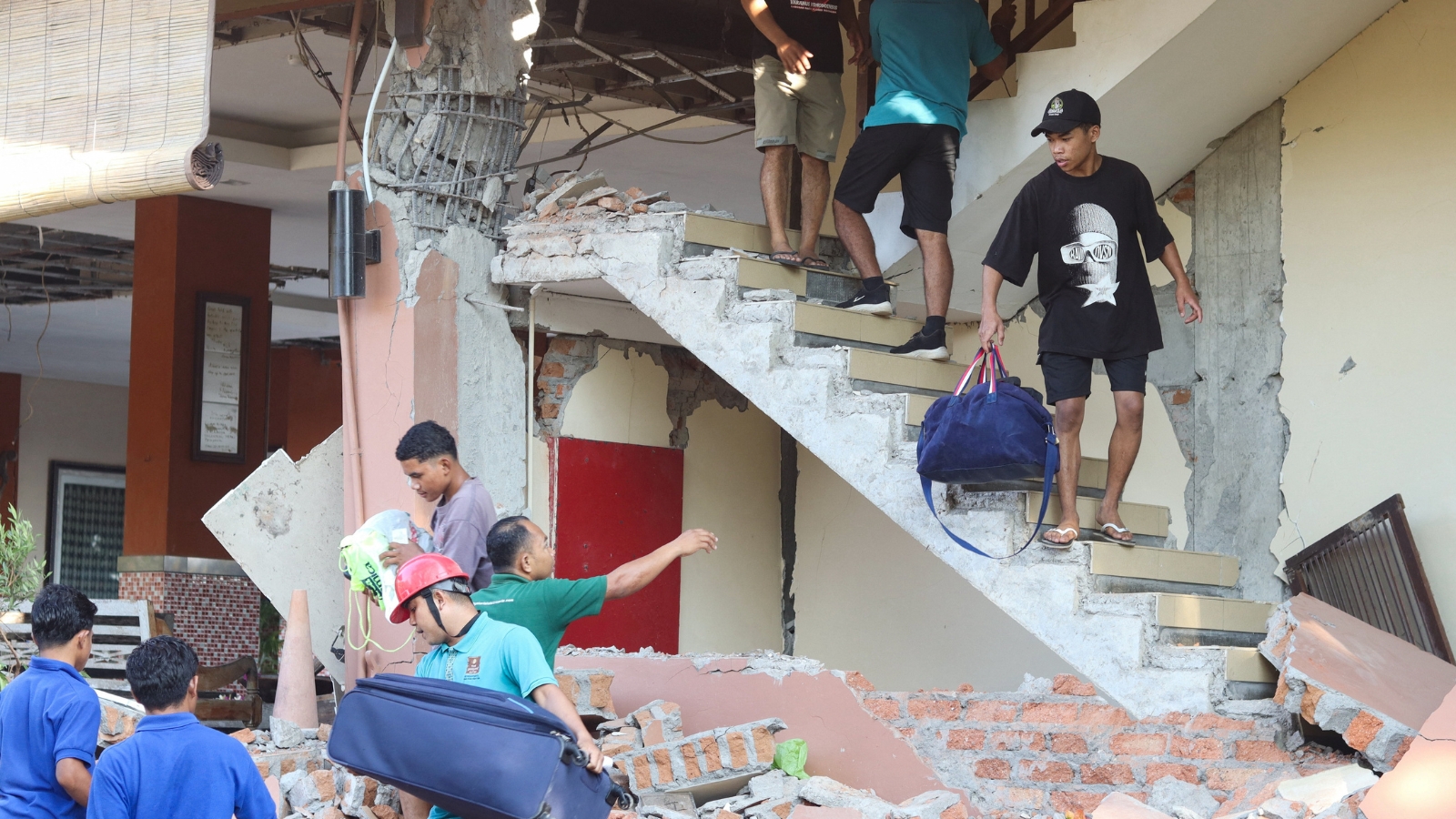
The diplomats in Geneva and Addis Ababa speak in measured tones about transitional roadmaps and humanitarian corridors. They draft communiqués filled with polite fictions, hoping that if they use enough bureaucratic vocabulary, the artillery shells will magically turn back into plowshares. Yet, the human cost compounds daily. Over ten million people have been driven from their homes. Famine stalks regions that once fed East Africa. Hospitals lie in ruins, their surgical wards turned into execution yards or storage spaces for ammunition.
When al-Burhan offers dialogue coupled with immunity, he is trying to solve an impossible equation. He needs domestic allies to rebuild a functional government facade, which requires offering protection from future retribution to those who might step forward. Yet, that very same promise of immunity leaves a sour taste in the mouths of a citizenry that has buried its dead without justice. How do you build a future on a foundation that explicitly pardons the architects of today's ruin?
The answer, whispered in the crowded displacement camps of Chad and Egypt, is that you don't. You merely survive until the next storm breaks.
We must confront the uncomfortable truth about modern civil wars. They do not end with a sudden, triumphant handshake on a lawn in Washington or Cairo. They bleed out slowly. They rot the institutions from within until nothing is left but competing mafias carving up the carcass of a once-proud nation.
When the door is slammed shut on Hemedti, it is also slammed shut on a quick, negotiated ceasefire. It ensures that the conflict transforms from a conventional struggle for control of the capital into a protracted, generational insurgency. The guns will not go silent because a press release declared an end to negotiations. They will roar until one side runs completely out of ammunition, or until the regional patrons who bankroll the slaughter decide the price is too high.
Right now, the patrons are still paying. External actors eye Sudan’s Red Sea coastline, its vast agricultural potential, and its lucrative gold reserves like vultures circling a dying beast. They whisper advice to al-Burhan while quietly hedging their bets. They fund logistics lines through porous borders, ensuring that neither side can land a knockout blow, trapping the entire population in a perpetual purgatory of suffering.
Look closely at the hands of a mother waiting in line for a sack of sorghum in Port Sudan. Look at the vacant stare of a university student whose campus is now a charnel house. They are the collateral damage of a war fought for absolute dominance.
Al-Burhan can issue all the decrees he pleases. He can redraw the organizational charts of the state, banish his enemies from the negotiating table, and cloak his military necessity in the language of national salvation. But the geography of Sudan cannot be rewritten by a stroke of a pen. The grievances etched into the soil of Darfur, the blood spilled on the bridges of Khartoum, and the silent grief of millions cannot be legislated away.
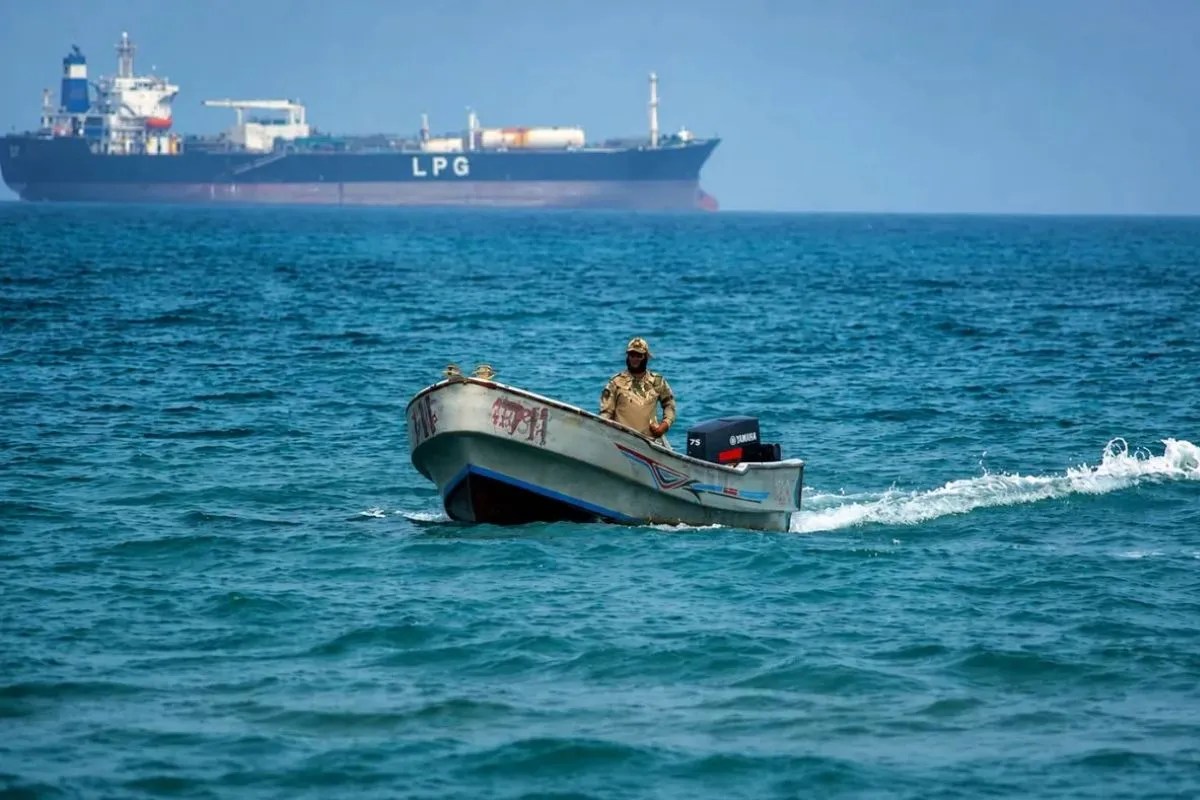
The sun dips below the horizon of the Red Sea, casting long, bruised shadows across the water. Somewhere out there, a cargo ship carries more crates of rifles, paid for by distant fortunes, gliding silently toward a shore that has forgotten the taste of peace.