For years, British politics operated under an unspoken rule. You could whisper about trade barriers, moan about food checks at ports, or argue over labor shortages, but you didn't touch the sacred text of the 2016 referendum. Mainstream politicians tiptoed around the topic like it was coated in wet paint.
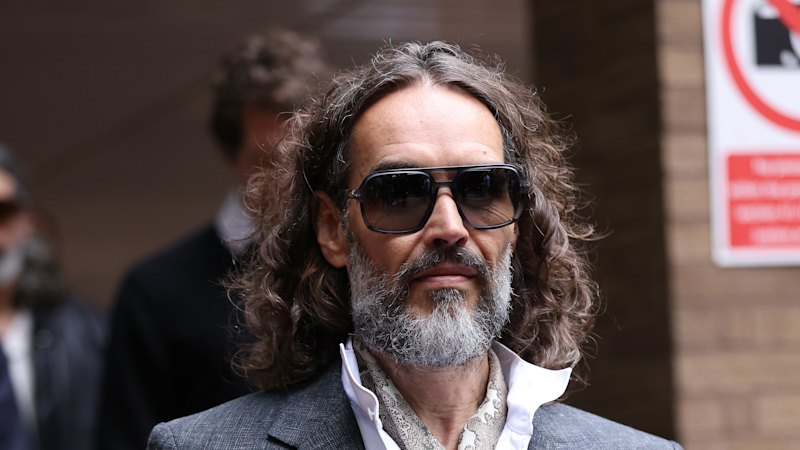
That silence is broken. Prime Minister Andy Burnham stepped up to the podium at the Lord Mayor's Banquet and flatly declared that the hard Brexit delivered to the public simply has not worked. He didn't use coded diplomatic language. He compared the prevailing political consensus to the Emperor's New Clothes, stating plainly that the country has lost more than it gained.
Why is the prime minister dragging the country back into the most exhausting debate in modern British history? The answer isn't about nostalgia or political suicide. It's about cold, hard economic survival.
The Economic Reality Check
When a country locks itself out of its largest neighboring market, the bill eventually comes due. Economists and business owners haven't been shy about pointing out the friction created by customs checks, regulatory divergences, and hiring blocks.
Burnham's push for a reset isn't happening in a vacuum. Ahead of a major EU-UK summit, the government is eyeing targeted deals to cut red tape on food and agricultural exports, link emissions-trading schemes, and set up youth mobility frameworks. Projections suggest these practical adjustments could boost GDP by a modest but meaningful margin.
Yet, tweaking the edges of a broken trade pact only goes so far. By openly admitting that the current settlement falls short, the prime minister is attempting to realign British foreign policy with economic logic. Public opinion has shifted dramatically since 2016. Most voters now view the split critically, meaning Burnham's willingness to speak out isn't just an act of political bravery—it's matching where the public already stands.
The Trap of Red Lines
Of course, opening this Pandora's box comes with severe political hazards. Downing Street is still bound by strict manifesto guardrails that rule out rejoining the EU, the single market, or the customs union during the current parliamentary term.
Critics from both sides are already sharpening their knives. Hardline Brexiteers warn that any drift toward closer alignment is a betrayal of the democratic mandate, threatening a fierce populist backlash if the government pushes too far. On the flip side, pro-European campaigners argue that small, piecemeal resets are nowhere near enough to fix structural economic damage, leaving the UK in an awkward half-in, half-out limbo.
Brussels isn't rolling out a red carpet, either. European diplomats have made it clear that they won't waste energy on endless, circular negotiations unless London can offer absolute clarity on its long-term destination. They remember the chaos of the last decade and want guarantees that any new agreement won't be casually flipped upside down by the next changing of the guard in Westminster.
Where This Goes Next
Reviving the European debate is a massive gamble. Burnham is deliberately initiating a longer-term national conversation, pushing decisions about deeper alignment into the next parliament. He wants to test every potential move against what he calls the "Makerfield test"—asking whether a policy genuinely improves everyday life for working people rather than satisfying ideological purity.
You can't fix a stagnant economy by pretending structural barriers don't exist. By dragging the Brexit conversation back into the daylight, the government is forcing the country to confront the trade-offs it spent years avoiding. Whether voters have the stomach for another round of European wrangling will define British politics for the rest of the decade.