British Columbia’s provincial borders just became porous. A recent B.C. Supreme Court ruling has effectively demolished the idea that resource litigation is a domestic affair. By granting the Ktunaxa Nation Council and the U.S.-based Confederated Salish and Kootenai Tribes (CSKT) intervenor status in a high-stakes legal battle over the Fording River Extension project, the court has signaled that the environmental and cultural fallout of mining ignores the 49th parallel.
This isn't a routine administrative update. It is a fundamental shift in how North American resource extraction will be litigated. The case centers on Teck Resources’ proposed expansion of its Fording River operations, a massive metallurgical coal project in the Elk Valley. While the province and the mining giant hoped to keep the legal debate focused on local regulatory compliance, the court’s decision to allow a U.S.-based Indigenous group to take the stand introduces a wild card that industry analysts have feared for years. Transboundary pollution is no longer a diplomatic talking point; it is a legal liability.
The Ghost of Selenium
The core of the dispute involves the Elk River watershed, which flows south across the border into Montana and Idaho, eventually feeding the Koocanusa Reservoir. For decades, mining operations in the Kootenays have been dogged by reports of leaching selenium, a trace element that is essential in tiny amounts but toxic to fish and wildlife at higher concentrations.
The Fording River Extension aims to prolong the life of one of the world's most productive metallurgical coal sites. To the provincial government, it represents billions in revenue and thousands of jobs. To the Ktunaxa and their American counterparts, it represents a permanent threat to a shared ecosystem. The CSKT, despite being located in Montana, argue that their traditional territory and treaty rights do not end where the border begins. The court agreed.
This sets a precedent that should make every mining executive in Canada uneasy. If an American tribe can intervene in a B.C. court based on the downstream effects of a project, the geographic scope of "affected parties" has just expanded by thousands of miles.
Sovereignty Without Borders
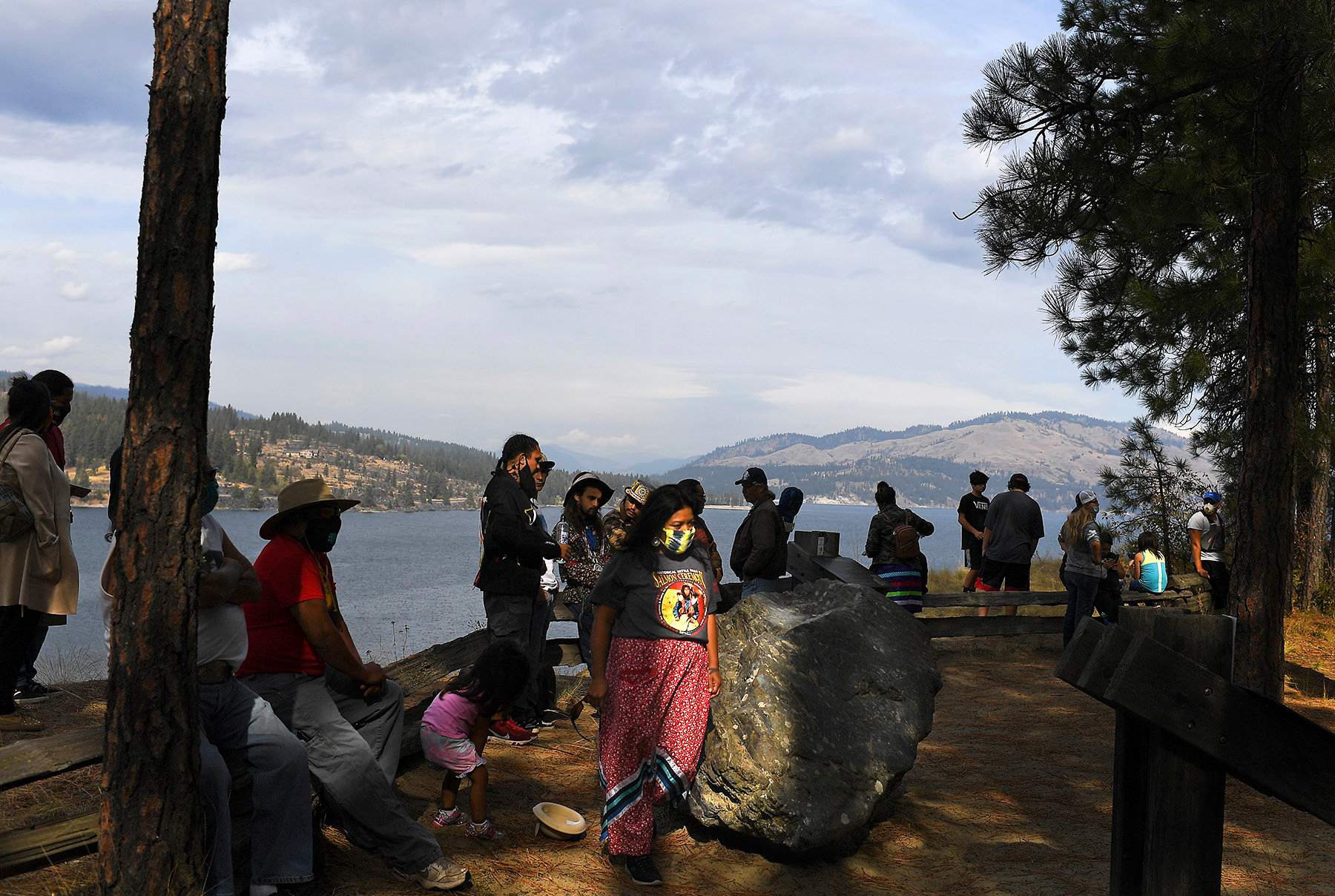
For the Ktunaxa Nation, the border is a colonial imposition on a landscape they have managed for millennia. Their legal strategy is built on the reality that the Kootenay River system is a single, breathing entity. When waste rock from a coal mine in B.C. sits in a valley, rain washes heavy metals into the water. That water does not stop for a customs check at the border.
The CSKT’s inclusion as an intervenor is a masterstroke of legal coordination. By joining forces, the Indigenous groups on both sides of the line are forcing the court to acknowledge cumulative impacts. Regulators often prefer to look at projects in isolation. They ask if one specific mine expansion will tip the scales. The Ktunaxa are asking a different question: How much more can the river take before the entire system collapses?
The B.C. government argued that the CSKT’s interests were already represented by the Canadian Ktunaxa. The judge disagreed, noting that the American tribes have distinct legal standing and specific interests regarding the water quality in the Koocanusa Reservoir that cannot be fully articulated by a proxy.
The Economic Pressure Cooker
Teck Resources finds itself in a precarious position. The company has invested hundreds of millions in water treatment technology, including "Saturated Rock Fills" designed to pull selenium out of the water. They are trying to prove that mining can be clean, or at least clean enough.
But the "clean enough" threshold is moving. In the United States, the Environmental Protection Agency (EPA) and the state of Montana have adopted much stricter selenium standards for Lake Koocanusa than those currently enforced in British Columbia. This creates a jurisdictional nightmare. If the B.C. court acknowledges the CSKT’s rights, it must eventually reckon with the fact that B.C.’s "acceptable" pollution levels are illegal just a few miles downstream.
Investors are watching. The uncertainty of litigation is the primary enemy of capital. When a project's approval can be derailed by a group located in a different country, the risk profile changes. This isn't just about coal; it’s about the future of gold, copper, and lithium projects across the province.
A New Era of Environmental Diplomacy
The federal governments in Ottawa and Washington have been tiptoeing around the Kootenay water issue for years. There have been repeated calls for a reference to the International Joint Commission (IJC), the body tasked with resolving transboundary water disputes under the Boundary Waters Treaty of 1909.
Until recently, the B.C. government resisted IJC involvement, fearing a loss of provincial sovereignty over its resource sector. However, the court’s decision to allow the CSKT into the fray suggests that the era of provincial isolationism is over. The judiciary is acknowledging that the environmental consequences of heavy industry are global, and the legal framework must evolve to match.
The legal battle over the Fording River Extension is moving toward a collision point. On one side, a province desperate to protect its primary industry and a company that insists it has the technology to mitigate the damage. On the other, a united front of Indigenous nations who see the mine as an existential threat to their cultural identity and the health of their ancestral waters.
The Legal Blueprint for Future Opposition
Lawyers representing Indigenous groups across Canada are already dissecting this ruling. It provides a blueprint for how to bring international pressure to bear on domestic environmental reviews. We can expect to see similar tactics in the Maritimes, where mining projects affect Atlantic salmon runs that migrate through U.S. waters, or in the Yukon, where downstream impacts flow into Alaska.
The court has effectively validated a "watershed-first" approach to law. This means that the physical reality of the land is starting to outweigh the political reality of the map. If you are a developer, your stakeholder list just got a lot longer. You are no longer just answering to the town hall in the local mining village; you are answering to every community, in every country, that drinks from the same straw.
The Fording River case will likely drag on for years. There will be appeals, technical assessments, and endless discovery. But the central takeaway is already clear. The border is no longer a shield for industry. The Ktunaxa and the CSKT have proven that if the water flows south, the legal consequences will flow north.
The industry must now decide if it can operate within a world where the "affected public" is defined by the reach of a river rather than the limits of a province. Those who fail to adapt to this new, borderless legal reality will find themselves buried under a mountain of litigation that no amount of coal revenue can offset. The Kootenay mine fight is the first major test of this new order, and the results will define the next fifty years of North American mining.
British Columbia is no longer an island of provincial regulation; it is part of a continental ecosystem, and the courts are finally starting to act like it. Focus on the water, because the lines on the map are fading.