The downfall of Roger Mariaca did not begin in a smoke-filled backroom or a clandestine jungle airstrip. It started behind the polished mahogany desks of Bolivia's highest prosecutorial offices, where the state's top law enforcement official was quietly dismantling the very concept of justice.
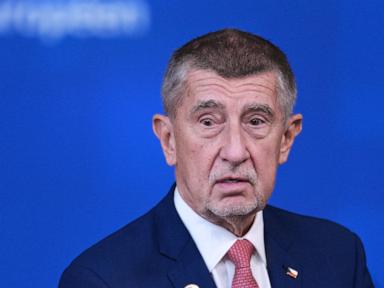
When Bolivian authorities handcuffed former Attorney General Roger Mariaca in the eastern lowland hub of Santa Cruz, the arrest laid bare a rot that foreign intelligence agencies had tracked for years. Days earlier, the United States Department of State revoked the visas of Mariaca and a dozen other regional officials, explicitly accusing the chief prosecutor of accepting bribes to shield transnational drug syndicates. The subsequent raids across La Paz and Santa Cruz did not just capture a corrupted bureaucrat; they exposed an institutionalized protection racket operating at the apex of the Andean state.
Transparency is a rare commodity in modern narcotics enforcement.
For years, investigators point to the peculiar shadow cast by major cartel operations inside Bolivia's judicial apparatus. The case against Mariaca is deeply tied to the historical evasion of high-profile traffickers, most notably Uruguayan kingpin Sebastián Marset, who managed to vanish into thin air in 2023 despite heavy domestic and international surveillance. Marset’s uncanny ability to stay a step ahead of law enforcement was never a matter of mere street smarts. It required high-level clearance, sanitized case files, and active judicial sabotage from prosecutors willing to trade state sovereignty for cartel cash.
The geopolitical mechanics here are sharp. President Rodrigo Paz brought Bolivia into the Washington-backed security pact known as the "Shield of the Americas," fundamentally shifting the nation's posture toward transnational crime.
Suddenly, old arrangements expired.
A state apparatus that once tolerated or actively managed drug corridors found itself caught in a geopolitical crossfire. Washington’s visa revocations acted as an unvarnished ultimatum. Either La Paz purged its compromised judiciary, or the country risked total diplomatic and financial isolation. Mariaca’s arrest serves as an early, violent stress test of this new security alignment.
Critics within Bolivia point out the obvious risk of selective prosecution. When sweeping anti-corruption drives coincide with abrupt shifts in executive power, the line between cleaning house and political purification blurs. Prosecutors become targets, and the judicial branch turns into a revolving door for whatever political faction holds the palace keys. Yet, the physical evidence gathered in the nationwide raids—spanning hidden bank accounts, encrypted communication logs, and property deeds tied to front companies—suggests that Mariaca’s enterprise was entirely real.
The broader tragedy extends far beyond one compromised attorney general.
Latin America’s drug war has evolved past simple interdiction on dirt roads. Cartels no longer just fight the state; they buy it piece by piece, appointing their own magistrates, rewriting indictments, and converting public prosecutors into corporate legal counsel for multinational cocaine trafficking rings. When the chief prosecutor becomes the primary logistics coordinator for organized crime, the justice system stops functioning as a deterrent and starts operating as a wholly owned subsidiary of the underworld.
Bolivia now faces a grueling institutional rebuilding process.
You cannot simply arrest your way out of systemic corruption when the machinery designed to investigate crime is the primary incubator for it. Every prosecutor fired, every judge unseated, and every dossier reviewed leaves the state exposed to internal retaliation.
The handcuffs on Mariaca clicked shut in front of television cameras, signaling a dramatic break with the past.
Yet beneath the political theater, the cartels are already adapting, shifting their capital and their corruptive focus to the next tier of magistrates who remain unburdened by U.S. sanctions and eager to fill the vacuum.