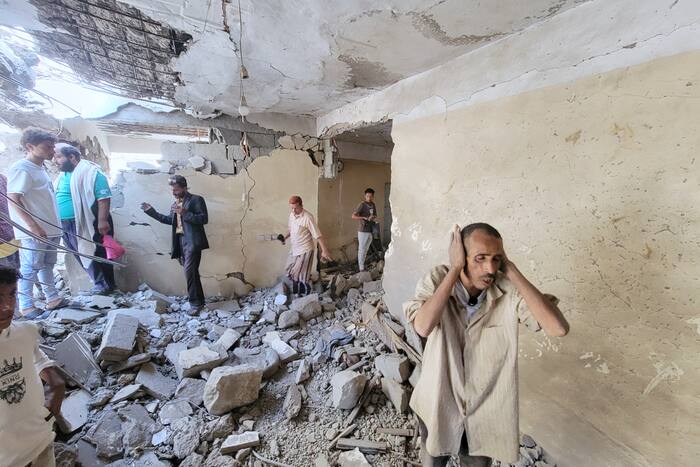
Fourteen people died. A shaft gave way. Headlines ran with familiar outrage.
Most coverage treats a gold mine collapse in Colombia like a freak accident or a simple tale of lawless outlaws digging where they shouldn't. That framing is lazy. It lets policymakers off the hook, flatters corporate PR departments, and keeps the exact same geological and economic traps baited for the next crew.
When a mine collapses in Colombia, the rock did not suddenly decide to misbehave out of spite. Physics is predictable. Geology leaves clues. Economics pushes human beings into spaces no sane engineer would sign off on. If you only ask "Who broke the rules?" you will miss the deeper machinery turning high gold prices and weak formalization pathways into fatal cave-ins.
The Lazy Consensus Around "Illegal" Mining
Standard reporting splits Colombia's mining world into two neat boxes: clean, regulated industrial operations and rogue, illegal pits run by bad actors. Reality is far messier.
A huge share of small-scale and artisanal operations sit in legal limbo. Permits take years. Title overlaps stall approval. Heritage protections, environmental reviews, and local disputes collide on the same hillside. Miners operating without a finished license are routinely lumped together with organized criminal syndicates extorting territory and moving illicit ore.
Calling every informal operation an outlaw operation flattens the problem. A family or cooperative working an inherited vein with a jackhammer, a hand winch, and a prayer is not the same thing as an armed cartel running heavy excavators. Treating both identically turns a complex regulatory and economic failure into a moral cartoon.
Then comes the next cliché: blaming "bad luck" or "sudden earth movement." Ground rarely fails without warning. Water seeps in where drainage was skipped. Timber supports rot or get spaced too wide because good wood costs money. Old workings from decades earlier sit right above or beside active drifts, turning solid-looking rock into Swiss cheese.
I have walked underground workings and surface pits across resource regions long enough to recognize the pattern. People rarely walk into a death trap because they love danger. They walk into it because the economics of survival squeeze out margin for error. When gold spikes, every hour spent shoring up a tunnel feels like money left on the table. Until the roof comes down.
Geology Does Not Care About Paperwork
Let's get precise about what actually happens underground. Mining engineers distinguish between rock mass quality, ground support, and excavation geometry. A permit on paper does not hold up a hanging wall.
In steep Andean terrain, weathered rock, fault zones, and fractured veins are common. Cutting a tunnel too wide for the rock mass rating invites stress concentration around the opening. Ignoring groundwater pressure weakens fractures even further. Water adds weight to overlying material and reduces friction along joint planes. Once pore pressure builds or support buckles, failure can happen fast.
Artisanal and small-scale miners often work narrow, irregular veins. Instead of driving clean, engineered access ramps with systematic rock bolts, shotcrete, or properly sized timber sets, smaller crews tend to follow the gold directly. That creates tortuous tunnels, uneven roofs, and unmapped voids.
Imagine a scenario where a crew follows a rich stringer of gold upward into fractured rock saturated by weeks of mountain rain, using hastily wedged timber posts spaced wider than recommended because capital is tight. Nothing miraculous has to happen for tragedy to strike. Gravity just collects its toll.
Even formal mines face ground control challenges—rockbursts, subsidence, slope failures—despite engineering teams and heavy capital. The difference is not magic immunity. It is systematic monitoring, conservative design standards, and the authority to shut a heading down when instruments or ground conditions flash red. Informal operations often lack both the technical expertise to read early warning signs and the financial cushion to stop work when conditions deteriorate.
The Price Trap Nobody Wants to Admit
Here is a counter-intuitive truth that makes polite industry panels squirm: high gold prices can make small-scale mining deadlier, not safer.
When gold trades at elevated levels, margins per gram look tempting even with crude recovery methods. That attracts inexperienced entrants who do not know how to read ground conditions, manage ventilation, or handle explosives safely. It also tempts existing operators to push deeper into marginal or unstable ground rather than investing in safer extraction methods or better processing recovery.
Think about that second point. Many small-scale operations lose a substantial portion of the gold present in the ore because gravity concentration and basic sluicing or amalgamation are only partially efficient. Instead of spending time and money upgrading recovery or stabilizing ground, the temptation is always to dig more tonnage—faster, deeper, and narrower.
Meanwhile, formalization programs often move at bureaucratic speed while market incentives move at lightning speed. If getting legal status requires expensive studies, years of waiting, and compliance costs built for mid-sized companies, small operators stay outside the formal system. Once outside, they cannot easily access technical training, engineering support, safety equipment financing, or emergency rescue infrastructure.
Enforcement raids alone do not solve this. Shutting down a shaft without addressing why miners were there—or where they go next—often pushes activity into more remote, less accessible, and even riskier spots.
Answering the Questions People Actually Ask
Why do gold mine collapses keep happening in Colombia?
Because high gold prices, complex land and permitting rules, challenging mountain geology, and under-resourced oversight collide underground. When economic pressure meets weak ground control and limited technical support, small mistakes become fatal events.
Are all fatal mines in Colombia run by criminals?
No. While armed groups and illegal networks operate in parts of the mining sector and exploit vulnerable communities, many small-scale miners are local workers trying to earn a living in regions with scarce formal jobs and tangled land titles. Lumping all non-industrial mining into a single criminal bucket obscures how the sector actually functions.
Can better laws alone stop mine collapses?
Laws on paper do nothing if they are unworkable in practice or unenforced where it matters. Safety improves when rules are clear, permitting paths are realistic for small operators, basic ground-control training reaches the working face, and miners have practical alternatives to working unstable ground.
Where This Contrarian Take Can Go Wrong
Being contrarian is easy; being right in the real world is harder. There are real risks in pushing too hard against standard enforcement narratives.
First, downplaying illegality can sound like excusing lawlessness. Organized crime in mining brings violence, environmental destruction, money laundering, and coercion that no serious observer should wave away. Calling for nuance on small-scale miners is not a defense of armed syndicates or reckless operators who knowingly endanger crews.
Second, focusing heavily on structural and economic drivers can sound overly fatalistic, as if individual decisions underground do not matter. They do. Cutting corners on timber, ignoring gas or water warnings, or skipping basic safety habits kills people every year even where geological warnings were visible.
Third, easy talk about "better formalization" can gloss over genuine environmental and social conflicts. Protecting watersheds, respecting local communities, and managing tailings or chemical runoff are real requirements, not mere red tape to be swept aside.
What Actually Works Instead of Performative Outrage
If the goal is fewer body bags rather than stronger press releases, change the incentives and the practical support on the ground.
- Separate cartels from small-scale miners in policy and enforcement. Target organized crime, financial networks, and severe environmental abusers with precision while creating practical, step-by-step legal pathways for legitimate small operators.
- Put basic ground-control engineering in miners' hands. Practical training on roof inspection, water management, timbering or support spacing, and safe retreat routes saves lives far faster than generic compliance manuals.
- Fix permitting bottlenecks and title clarity. When legal status is practically achievable within a reasonable timeframe, operators have a stronger stake in investing in safer infrastructure instead of operating in the shadows.
- Tie market access and financing to verifiable safety basics. Buyers, processors, and local programs can reward operations that meet clear, practical safety and environmental benchmarks rather than relying solely on punitive crackdowns after disaster strikes.
Fourteen lives lost is an indictment of every shortcut, every stalled reform, and every easy headline that treats preventable ground failure as a mystery. Stop hunting for convenient scapegoats, fix the conditions underground, and hold the system accountable before the next mountain gives way.