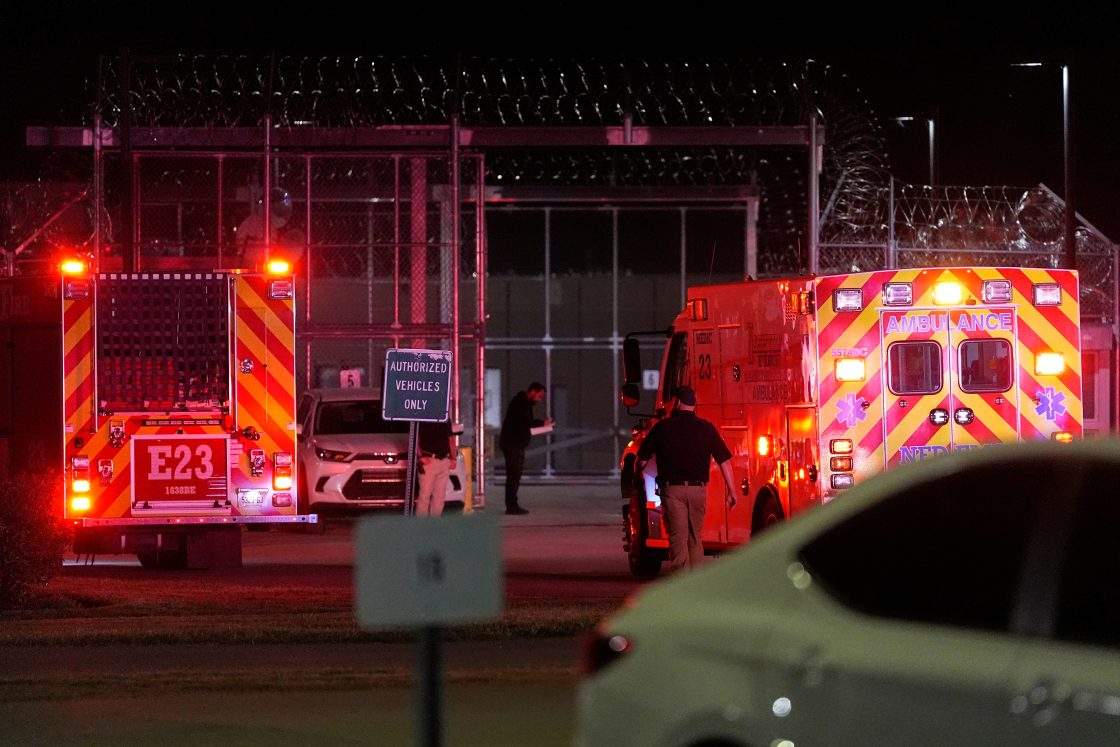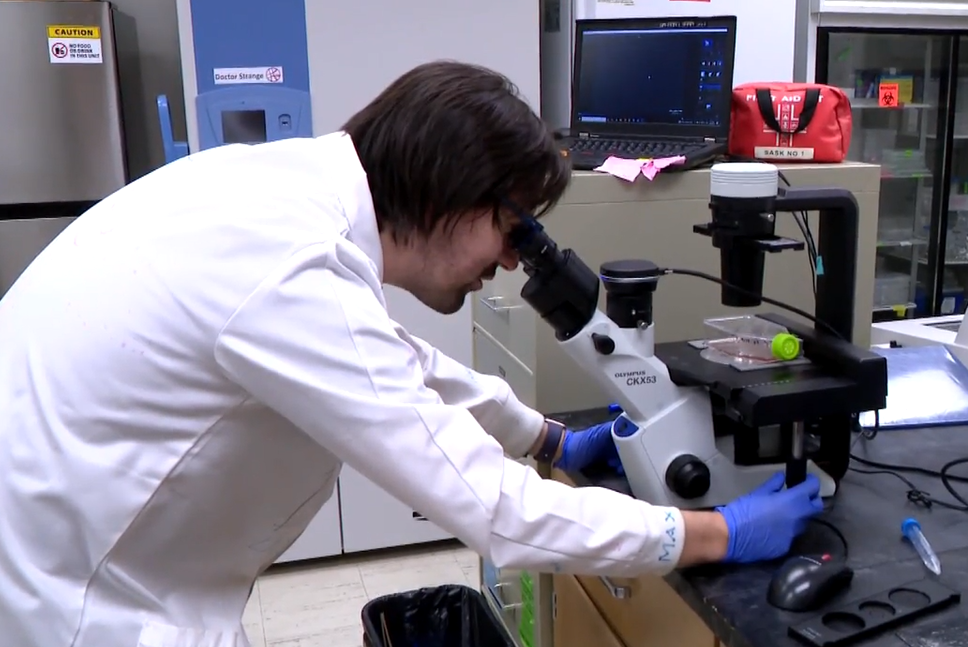
The containment of high-consequence pathogens relies on a fragile matrix of physical engineering, procedural compliance, and human reliability. When a fatality occurs within a maximum-containment facility without an immediate, transparent accounting of the vector of exposure, it exposes systemic vulnerabilities in global biosecurity governance. High-containment laboratories operating at Biosafety Level 4 handle agents characterized by high case-fatality rates and the absence of effective prophylactics or therapeutics. The integrity of these facilities is not maintained by physical barriers alone, but by a deterministic cascade of controls designed to arrest failure at multiple sequential nodes.
To evaluate the systemic risk of laboratory-acquired infections or unexplained fatalities involving dangerous pathogens, the failure architecture must be decomposed into three structural vectors: physical containment degradation, human-factor compliance drift, and institutional oversight asymmetries.
The Vector of Physical and Engineering Degradation
Primary containment relies on negative pressure cascades, HEPA filtration arrays, and physical isolation barriers such as positive-pressure suits or isolator cabinets. A critical failure in any single layer shifts the burden of protection to the next, but high-consequence environments operate on the principle of defense-in-depth, where no single barrier should be the sole point of failure.
When containment fails, it typically manifests not as a catastrophic structural breach, but as a subtle degradation of operational parameters. Pressure differentials invert due to HVAC maintenance errors or filter loading, seal integrity on waste-stream decontamination autoclaves becomes compromised, or glove-port micro-tears go undetected during operational cycles. The mechanics of aerosol generation within a laboratory setting dictate that microscopic droplets, once liberated from a centrifuge, vortexer, or syringe manipulation, remain suspended in directional airflows. If the capture velocity of the exhaust system is sub-optimal, these aerosols migrate across zones, transforming localized workspace contamination into facility-wide exposure hazards.
The Mechanics of Procedural Drift and Human Reliability
Human error in high-containment environments is rarely a random, isolated event; it is the predictable outcome of procedural drift. Over time, personnel operating in restricted-access facilities develop informal shortcuts to bypass friction points in standard operating procedures. Donning and doffing sequences, chemical shower durations, and waste-bag double-sealing protocols are particularly vulnerable to optimization decay under high cognitive load or fatigue.
The risk matrix is compounded by the training deficit inherent in specialized pathogen research. The number of researchers globally who possess both the security clearances and the hands-on technical proficiency to culture and manipulate select agents is severely constrained. This talent bottleneck forces institutions to increase workloads on existing personnel, directly elevating error rates associated with manual dexterity tasks, such as needle-syringe manipulations or tissue homogenization. When a researcher experiences an exposure, the latency period between pathogen acquisition and symptom onset often spans days or weeks, obscuring the precise operational moment when protocol adherence broke down.
Institutional Oversight Asymmetries and Information Diffusion
Global biosecurity governance lacks a centralized, binding verification mechanism. National regulatory bodies enforce compliance through periodic inspections, but these audits evaluate static facility readiness rather than real-time operational culture. Furthermore, geopolitical friction significantly impedes the rapid, transparent sharing of epidemiological data and forensic samples when an incident occurs within a state-sponsored or sensitive research installation.
This information asymmetry creates a systemic blind spot. If an institution suppresses or delays the publication of diagnostic findings following a containment breach, the international scientific community is deprived of critical threat signatures. Epidemiological tracking relies on immediate genomic sequencing and attribution analysis to determine whether an outbreak or individual infection stems from a natural zoonotic spillover or an anthropogenic release. Without standardized reporting protocols and independent international verification, localized containment failures risk cascading into undetected global transmission vectors or unmitigated biosecurity hazards.
Strategic Mitigation and System Redundancy
Mitigating the systemic risk of high-containment research requires transitioning from a compliance-based model to a continuous, telemetry-driven verification framework.
First, engineering controls must be augmented with real-time, automated aerosol detection arrays capable of identifying pathogen signatures in exhaust plenums before air reaches exterior filtration stages. Second, human-factor vulnerability must be countered by implementing mandatory rotation schedules that cap continuous high-containment work hours, alongside automated video-monitoring systems paired with machine-learning algorithms to flag deviation from strict doffing and handling protocols. Third, international governance frameworks must establish mandatory, anonymized incident-reporting pipelines tied to global health security funding, neutralizing the institutional incentives for concealment.
The margin for error in maximum-containment facilities is effectively zero. Until biosecurity infrastructure transitions from relying on the perpetual vigilance of fallible individuals to self-healing, automated containment ecosystems, unexplained laboratory fatalities will remain the canary in the coal mine for global health security.