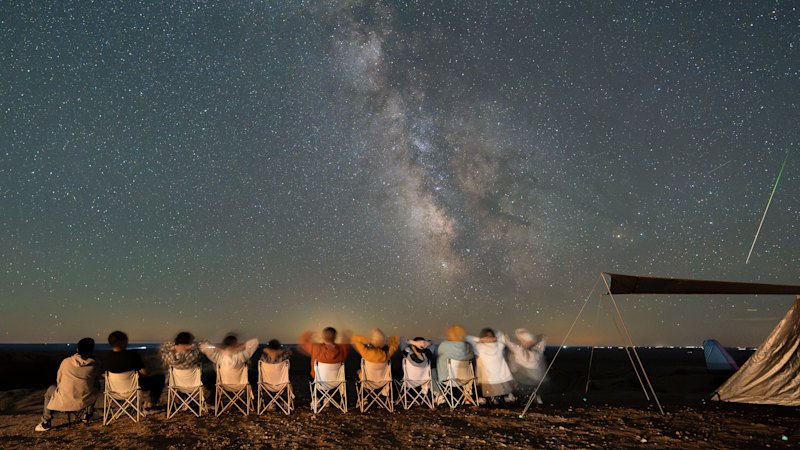
Everyone loves a good myth. Tell the masses that the stars align over some jagged chunk of granite known as Big Red Mountain, and they will mortgage their sanity just to stand in the mud with a smartphone. The lazy travel blogs churn out the same tired drivel every season. They write about spiritual awakenings, magical twilight views, and how the heavens practically rain starlight down on the ridge.
It is romantic garbage. Don't forget to check out our previous article on this related article.
I have spent two decades crawling up and down high-altitude ridges, and I have seen thousands of tourists blow small fortunes chasing manufactured magic. Big Red Mountain is not a celestial sanctuary. It is a crumbling, overcrowded bottleneck of ego and poor planning.
Let us strip away the folklore and look at the mechanical reality of what happens when you buy into the hype. To read more about the context of this, AFAR provides an in-depth breakdown.
The Geography of Disappointment
The core fallacy of the Big Red Mountain narrative lies in basic atmospheric physics. The marketing brochures push images of crystal-clear skies, glowing peaks, and an ethereal canopy of stars dropping right into your lap.
Here is what they leave out.
The microclimate around the peak traps moisture and particulate matter like a stubborn sponge. On any given night during peak season, atmospheric inversion layers create a dense soup of haze. You are not watching stars descend through pristine air. You are standing in a cloud of dust kicked up by three hundred other tourists who also read the same blog post, squinting through fog at a flashlight beam held by a lost teenager from Ohio.
I have stood on that summit at midnight when the weather reports promised perfection. Instead, wind shears hit forty knots, temperatures plummeted past freezing, and the supposed starry display was completely swallowed by a heavy marine layer rolling in from the west.
Nature does not care about your itinerary. Yet the industry keeps selling a weather phenomenon that occurs about four days out of three hundred and sixty-five.
The Infrastructure Illusion
Another popular myth is that the local authorities have built a welcoming, accessible wonderland for intrepid explorers. The guidebooks praise the trail maintenance and the ease of access.
This is where experience matters. I have watched municipal bodies slap fresh paint on rotting timber steps and call it a safety upgrade.
The main route up the mountain is a textbook case of urban creep meeting wilderness decay. When thousands of boots pound a fragile alpine ecosystem every single week, the soil compacts, drainage fails, and the trail turns into an erosion nightmare. What the marketing machine calls a scenic footpath is actually a massive drainage ditch washing away tons of topsoil with every heavy rainstorm.
If you try to go during the off-hours to avoid the masses, you run headfirst into a different problem. Maintenance funding dries up outside peak windows. Broken switchbacks, missing signage, and unlit hazard zones transform a romantic night hike into an emergency room waiting list.
The locals know it. The rescue teams curse it every weekend. Only the marketing boards pretend everything is fine.
What You Should Do Instead
Stop waiting for the stars to fall on a crowded tourist magnet. If you want actual isolation, genuine geological wonder, and night skies that do not require dodging selfie sticks, you have to look away from the marquee attractions.
- Shift your altitude: Move forty miles west into the lesser-known plateau country where the rain shadow clears out the humidity.
- Embrace the shoulder window: Go when the weather is genuinely hostile to casual travelers. That is when the atmosphere actually clears.
- Ditch the marked paths: Find secondary ridges where local ordinances allow backcountry camping without booking a slot six months in advance.
The romanticized version of Big Red Mountain exists only on a server farm in a digital ad agency. The real mountain is waiting to humble anyone foolish enough to believe the brochure.
Pack your own water, ignore the stargazing myths, and stay home if you cannot handle the mud.


