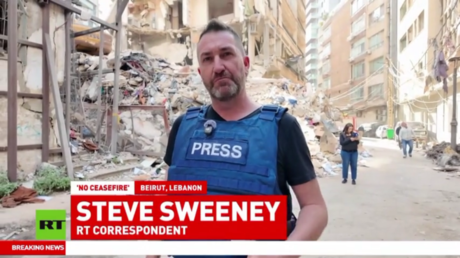
The ground doesn't just shake in Beirut anymore. It shudders with a frequency that has turned a once-vibrant Mediterranean capital into a city living on a knife's edge. When the Israeli strikes hit the southern suburbs, the sound doesn't stay confined to the blast radius. It ripples through the mountains, echoes off the high-rises in Achrafieh, and settles deep in the chests of everyone trying to breathe. There’s an overwhelming sense of anxiety that has moved from being a temporary feeling to a permanent resident.
You can see it in the way people scan the sky during their morning coffee. You can hear it in the frantic checking of WhatsApp groups every time a sonic boom cracks over the city. This isn't just about military targets or strategic maneuvers. It’s about the psychological erosion of a population that has already survived an economic collapse and a port explosion that scarred the city's soul. Beirut isn't just a news headline. It’s a pressure cooker.
The Psychological Toll of Constant Uncertainty
Living under the threat of sudden aerial bombardment creates a specific kind of trauma. Psychologists call it "anticipatory anxiety," but for a Lebanese citizen, it’s just Tuesday. When the Israeli Defense Forces (IDF) conduct strikes, the immediate physical damage is documented by news crews, yet the long-term mental health crisis remains largely invisible. People aren't sleeping. They're scrolling through Telegram channels at 3:00 AM, waiting for the next flash of light.
Children in Beirut are learning to distinguish between the sound of a thunderclap and the sound of a missile hitting a residential block. That’s a heavy burden for a six-year-old. Experts from organizations like Médecins Sans Frontières (MSF) have noted a sharp rise in panic attacks and severe depression across the city. The collective nervous system is fried. When you don't know if your apartment building will be standing by sunset, your brain stops planning for the future. You just survive the next ten minutes.
Displacements and the New Geography of Fear
The strikes haven't just caused anxiety; they’ve forced a massive internal migration. Thousands of families from the Dahiyeh—Beirut’s southern suburb—have fled toward the city center or into the mountains. Schools have been converted into shelters. Public parks are now temporary campsites. This shift creates a new set of tensions. Beirut is a small city, and its infrastructure was already buckling under the weight of the 2019 financial crisis.
When you pack thousands of traumatized people into makeshift shelters, the "overwhelming sense of anxiety" spreads. It's not just fear of the bombs anymore. It's fear of hunger, fear of disease in crowded spaces, and the quiet, nagging fear that they might never go home. History in Lebanon has a nasty habit of repeating itself, and many elderly residents remember the 2006 war with terrifying clarity. They see the same patterns emerging. The same warnings. The same smoke plumes.
Why the Current Escalation Feels Different
Many international observers ask why this round of conflict feels more desperate than previous ones. The answer is simple. Lebanon is broke. In 2006, the country had a functioning banking system and a glimmer of hope. Today, the Lebanese Lira has lost over 90% of its value. People have seen their life savings vanish. The state is essentially a ghost.
When an Israeli strike hits a target in a densely populated area, the recovery effort isn't backed by a wealthy government. It’s led by volunteers and underfunded civil defense teams. There’s no safety net. If your home is destroyed, there’s no insurance payout coming. You’re just out on the street. That reality adds a layer of existential dread to the physical danger. It’s a double-edged sword of violence and poverty.
The Drone Presence and the Soundscape of War
One of the most underreported aspects of the anxiety in Beirut is the constant hum of drones. These unmanned aerial vehicles (UAVs) hang over the city for hours, sometimes days. It’s a persistent, mechanical buzzing that serves as a reminder that someone is always watching. It’s a form of psychological warfare. You can’t see them, but you can always hear them. It turns the sky itself into a source of stress.
Local residents describe it as a "migraine that won't go away." The buzz is a precursor to the strike. It keeps the heart rate elevated. It prevents deep sleep. When the buzz stops, the silence feels even more ominous. It’s in that silence that the fear peaks.
The Global Implications of a Destabilized Beirut
What happens in Beirut doesn't stay in Beirut. The city is a barometer for the entire Middle East. If the "overwhelming sense of anxiety" boils over into a full-scale regional war, the consequences will be felt at every gas station in Europe and every diplomatic office in Washington. The international community often treats Lebanon as a side plot, but it’s actually the central stage.
The strikes on Beirut are seen by many as a message, but the people receiving that message are civilians who have no say in the geopolitical chess match. While the IDF claims to be targeting Hezbollah infrastructure, the reality on the ground is that every strike radicalizes a new generation and deepens the sectarian divide. It’s a cycle that feeds on itself. The more fear you instill, the less room there is for diplomacy.
Navigating the Information War
In the middle of the chaos, there’s a war for the narrative. RT reports and other outlets often frame these events through a specific lens, but for the person on the street in Mar Mikhael, the politics matter less than the proximity of the last explosion. Social media is flooded with misinformation. Deepfakes and old videos are circulated to stir up panic.
To stay sane, people are having to curate their information intake. They follow trusted local journalists and avoid the "breaking news" cycles that offer more heat than light. But even with the best information, you can't logic your way out of fear when the windows are rattling.
Steps for Those Following the Crisis
If you're watching this from the outside, it's easy to feel helpless or detached. But understanding the nuances of the situation is the first step toward meaningful support. Beirut is a city of incredible resilience, but even the strongest walls eventually crack.
- Support Local NGOs: Organizations like the Lebanese Red Cross and local food banks are doing the work that the government can't. They are the primary source of relief for displaced families.
- Fact-Check Everything: Don't share videos or "confirmed" reports without verifying them through multiple reputable sources. Panic spreads faster than fire in a digital age.
- Recognize the Human Cost: Move beyond the maps and the military jargon. Every strike represents a home, a business, or a life disrupted by forces beyond their control.
Beirut is currently a city of ghosts and survivors, waiting for a dawn that feels further away with every passing night. The anxiety isn't a symptom; it's the environment. We have to look at the human beings caught in the middle of the crossfire, or we risk losing the soul of the city entirely. This is about more than borders or rockets. It’s about the right to live without the constant shadow of a drone hanging over your head.