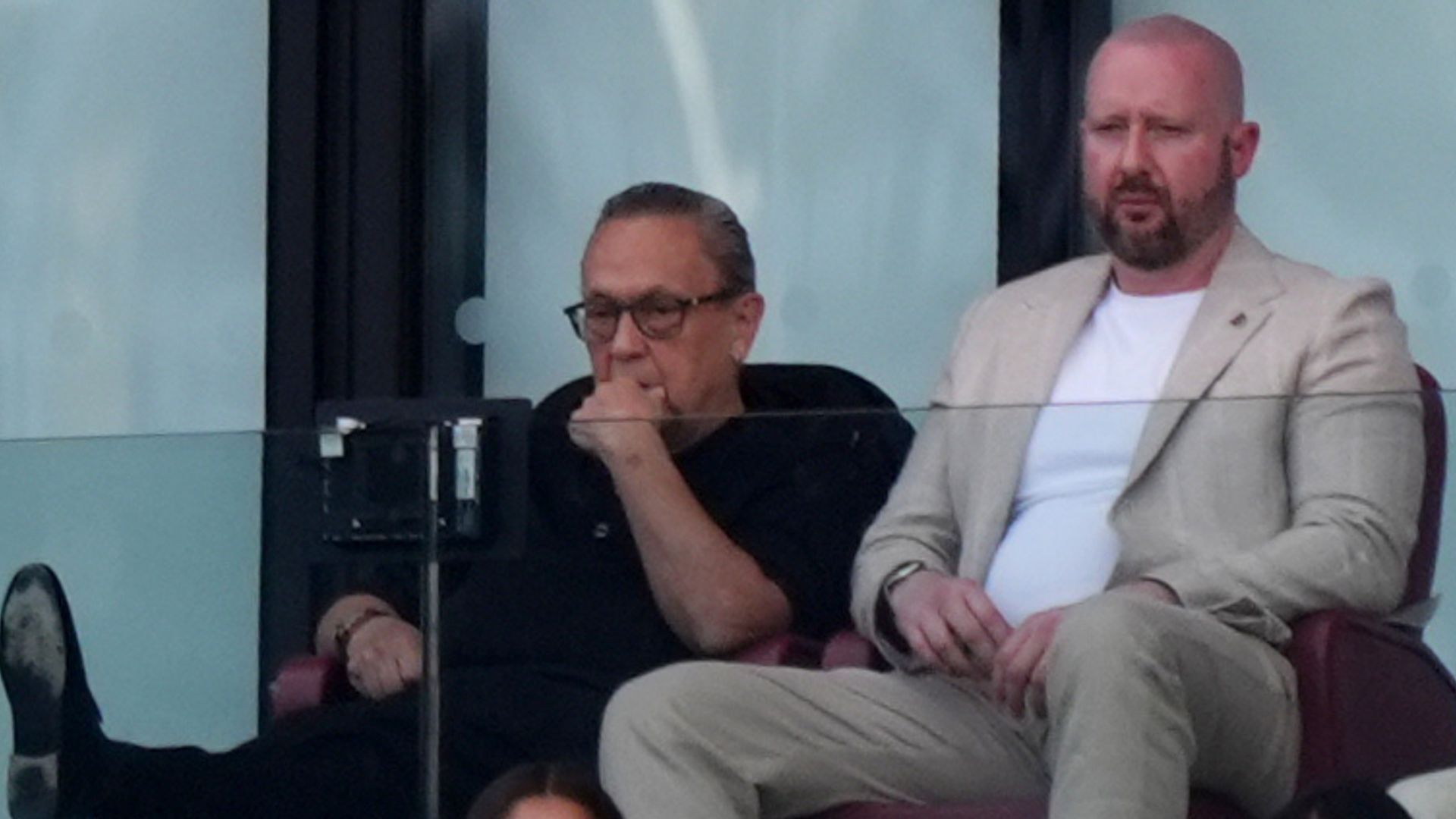
The outrage machine has a new favorite scalp, and it is entirely looking in the wrong direction. When the headlines scream that West Ham joint-chairman David Sullivan should be barred from attending matches following serious sexual misconduct allegations involving a former club employee, the knee-jerk moral panic is loud, predictable, and fundamentally lazy.
Fans want blood. Purity campaigners want total exile. The lazy consensus argues that removing an executive from the director's box is a victory for accountability, a moral stance that protects the sanctity of the sport.
It is nothing of the sort. It is a coward's solution.
Barring a billionaire owner from a stadium seat does not fix the systemic governance failures that enabled the crisis in the first place. Worse, it creates a convenient illusion of justice while leaving the underlying corporate rot untouched.
I have spent decades watching football clubs operate as medieval fiefdoms disguised as modern corporations. I have seen boards protect power over people every single time a scandal breaks. Expelling someone from a matchday experience is a PR band-aid designed to appease Twitter mobs and protect share value, while the power dynamics that created the environment remain completely unchallenged.
Let us dismantle the mythology surrounding matchday optics and look at what structural corporate reform actually requires.
The Illusion Of Stadium Exile
The entire premise of the campaign against Sullivan relies on a category error: confusing physical presence with operational power.
Football culture treats the stadium as the epicenter of everything. If you ban someone from the director's box, from the tunnel, from the hospitality suites, the naive assumption is that you have neutralized their influence.
This is amateur-hour thinking.
David Sullivan does not derive his power at West Ham United from eating prawn sandwiches in the London Stadium board seats. He derives his power from shareholding, capital allocation, and structural control. Stopping him from walking through the stadium turnstiles does not strip him of a single ounce of governance authority. He remains an owner. He remains a decision-maker. He remains at the apex of the economic pyramid.
When we demand stadium bans as the primary remedy for executive misconduct, we are demanding a theatrical punishment. It satisfies the bloodlust of the terraces without altering the corporate reality by a fraction of a millimeter. It tells the public that optics matter more than infrastructure.
Imagine a scenario where a corporate CEO is accused of severe misconduct, and the board responds by banning them from using the executive cafeteria. You would laugh them out of the room. Yet in football, where tribal emotion routinely replaces rational administrative critique, fans accept this kind of performative nonsense as a major victory.
The Governance Vacuum In Modern Football
To understand why the calls to keep Sullivan away from matches miss the mark entirely, you have to look at how football clubs are structurally insulated from real accountability.
Most major clubs are not run like modern enterprises subject to rigorous human resources oversight. They are personality-driven operations where the billionaire benefactor rules with absolute impunity. Independent HR departments often report directly to the people they are supposed to police. When a grievance is raised against someone at the very top of the hierarchy, the internal mechanisms of recourse buckle under the weight of self-preservation.
The Premier League and the Football Association have long hidden behind the Fit and Proper Persons Test, a regulatory joke that checks for financial solvency while turning a blind eye to institutional culture and ethical leadership.
When a scandal breaks, the reaction follows a predictable script:
- Deny or deflect until the media pressure becomes unbearable.
- Offer a sacrificial concession, such as a temporary leave of absence or a restriction on public appearances.
- Wait for the news cycle to shift.
- Return to business as usual.
Focusing exclusively on whether Sullivan should sit in the stands plays right into this corporate defense strategy. It reduces a systemic failure of governance to a petty dispute over seating arrangements.
The Cost Of Performative Purity
There is a severe downside to this obsession with symbolic punishments. It creates moral hazard.
When clubs realize they can satisfy public outrage by simply hiding an owner behind closed doors or banning them from televised match views, they have zero incentive to fix the actual plumbing of their organizations. They keep the toxic power structures intact, swap out the public-facing optics, and pat themselves on the back for progressive values.
Real accountability is boring, bureaucratic, and deeply unglamorous. It involves:
- Establishing genuinely independent whistleblowing hotlines that bypass executive interference.
- Empowering compliance officers who cannot be fired on a whim by the board.
- Enforcing mandatory external audits of workplace culture and grievance handling.
- Stripping voting rights from executives under active investigation for severe misconduct.
Notice how none of those items involve whether a man can watch a game of football from a leather chair.
If Sullivan's presence at matches is genuinely deemed a risk to staff safety or a toxic operational distraction, then the response is not a temporary fan-led boycott or a moralistic editorial demanding he stay home. The response is a formal regulatory intervention by governing bodies that suspends his executive privileges until independent investigations are concluded.
Anything less is just noise.
The Real Question We Should Be Asking
The discourse surrounding West Ham and its leadership is trapped in a false binary. You are either asked to defend the indefensible or cheer for empty gestures that change nothing.
The question is never whether an executive deserves to sit in a stadium. The question is why our sporting institutions are built in a way that allows individuals at the top to operate without meaningful internal checks, and why regulators continue to outsource ethical standards to the court of public opinion.
Stop falling for the theater of stadium bans. Stop treating cosmetic punishments as structural reform. Until football clubs are forced to submit to independent, transparent governance that applies the exact same standards of conduct to owners as it does to entry-level employees, every single headline about who is sitting in the directors' box is just a distraction from the rot underneath.