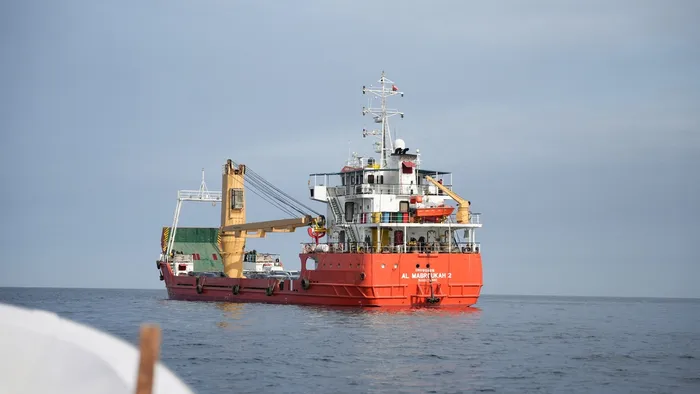
The headlines are singing. Another 5,000 tonnes of diesel just crossed the border from India into Bangladesh. The mainstream press treats this like a diplomatic masterstroke, a stabilizing force for an economy perpetually on the brink of an energy blackout. They call it "strengthening ties." I call it a strategic chokehold.
Feeding a nation’s energy hunger with 5,000-tonne drips is not a victory. It is a symptom of a systemic failure to build genuine sovereignty. While the bureaucrats celebrate the arrival of the rail wagons at Parvatipurm, they ignore the math of dependency. We are watching the construction of a regional monopoly disguised as a neighborly helping hand, and the cost of this convenience will be paid in long-term geopolitical vulnerability.
The Myth of the "Reliable Partner"
The standard narrative suggests that sourcing fuel from India via the Indo-Bangla Friendship Pipeline (IBFP) or rail links is safer than braving the volatile spot market of the Middle East. That is a comforting lie.
True energy security is found in diversification, not proximity. By tethering its diesel supply to a single terrestrial neighbor, Bangladesh isn't just buying fuel; it’s buying into India’s internal price fluctuations and political whims. If New Delhi decides to prioritize domestic cooling during a record heatwave or diverts supply for its own industrial surges, the "friendship" pipeline becomes a dry vein.
I have watched nations trade autonomy for "logistical ease" before. It always ends with the junior partner realizing too late that the tap can be turned off from the other side. This isn't about distrust; it's about the cold, hard mechanics of statecraft. You never let one entity control more than 15-20% of your critical infrastructure. Bangladesh is currently sprinting past that red line.
The Hidden Cost of "Cheap" Diesel
Everyone focuses on the price per barrel. They forget the cost of the "infrastructure tax." The IBFP, stretching 131.5 km, was built with a heavy reliance on Indian line-of-credit funding.
In the world of high-stakes energy, there is no such thing as a free pipe. The interest on these credits, combined with the long-term commitment to purchase specific volumes, creates a "take-or-pay" trap.
- The Trap: Even if global spot prices for diesel plummet—say, due to a massive oversupply from refineries in Gujarat or the Middle East—Bangladesh is often locked into these bilateral agreements at predetermined margins.
- The Reality: We are subsidizing the operational efficiency of Indian refineries while our own refining capacity at Eastern Refinery Limited (ERL) remains stagnant and underfunded.
Instead of pouring political capital into pipelines that move other people’s products, the focus should have been on the ERL-2 project. Upgrading domestic refining would allow the country to import crude—the cheapest way to buy energy—and process it locally, capturing the value-add and creating a strategic reserve. Instead, we are buying the finished cake because we’re too lazy to build our own oven.
The Logistical Theatre of 5,000 Tonnes
Let’s look at the numbers. Bangladesh consumes roughly 6.5 to 7 million tonnes of petroleum products annually. Diesel makes up the lion's share of that, fueled by irrigation pumps and the transport sector.
A shipment of 5,000 tonnes is a rounding error. It’s barely enough to keep the lights on for a few hours in a mid-sized industrial zone. Yet, the media treats these incremental deliveries like the arrival of a savior. This is "logistical theatre"—small, frequent shipments designed to create a feeling of constant motion and support while masking the fact that the national storage capacity is pathetic.
Most modern economies aim for a 60-to-90-day strategic fuel reserve. Bangladesh frequently teeters on a 30-day margin. Relying on "just-in-time" delivery from a neighbor isn't a strategy; it’s a gamble. If a single rail line is sabotaged or a pump station on the pipeline fails, the northern districts go dark.
The Renewable Red Herring
The "lazy consensus" argues that we don't need to worry about long-term diesel sovereignty because we are "transitioning to green energy."
Stop.
The heavy machinery, the trucks moving goods from Chittagong to Dhaka, and the massive irrigation pumps that keep the delta from starving do not run on solar panels. They run on diesel. They will run on diesel for the next thirty years. Pretending that a few wind farms will negate the need for a robust, independent hydrocarbon strategy is a dangerous fantasy. It allows policymakers to neglect the hard work of securing crude oil contracts in favor of flashy, green-washed PR projects.
Dismantling the "Expert" Advice
When "energy experts" tell you that regional integration is the only path forward, they are usually looking at a spreadsheet, not a map.
A spreadsheet says: "Transporting fuel 130km via pipe is cheaper than 4,000km via tanker."
A map says: "One pipe is one point of failure controlled by a foreign power."
I’ve seen energy departments in Southeast Asia collapse because they prioritized the spreadsheet over the map. They saved 4% on logistics and lost 100% of their leverage during a border dispute.
The Brutal Solution Nobody Wants to Hear
If Bangladesh actually wanted energy security, the move wouldn't be more Indian diesel. It would be a radical, three-pronged pivot that hurts in the short term but secures the next century.
- Weaponize Storage: Build massive, underground strategic reserves in the northern and eastern districts. Not 30 days. 120 days. Make it so the country can tell any supplier—India, Kuwait, or Singapore—to "take a hike" for four months without a single blackout. That is how you negotiate price.
- The Crude Pivot: Kill the finished product imports. Every dollar spent on Indian diesel is a dollar not spent on the Eastern Refinery expansion. Import the raw material. Control the refining. Control the byproducts.
- The Bay of Bengal Gamble: The offshore blocks in the Bay of Bengal are sitting idle while we argue over "attractive" bidding terms for International Oil Companies (IOCs). We are literally sitting on potential gas and condensate while begging for rail wagons of diesel. It is a national embarrassment.
The Vulnerability of the North
The specific focus on sending this diesel to the Parvatipurm depot highlights a regional weakness. The northern agricultural belt is the breadbasket of the nation. By making its survival dependent on a cross-border pipeline, you are effectively outsourcing the food security of 170 million people to a foreign utility provider.
Imagine a scenario where a trade dispute over textiles or water-sharing rights escalates. The "technical maintenance" of a pipeline is the easiest lever to pull in a diplomatic cold war. It's subtle. It's deniable. And it’s devastating.
Stop Thanking the Supplier
We need to stop treating these shipments as "aid" or "cooperation." It is a commercial transaction that heavily favors the seller. India’s refining capacity is a behemoth that needs markets to maintain its margins. Bangladesh is a captive market.
We are not being "helped." We are being integrated. And in the world of energy, integration is just a polite word for dependency.
True power doesn't come from a pipe you don't own. It comes from the ability to say "no" to the person holding the valve. Right now, Bangladesh doesn't even know where the valve is.
Build the refinery. Fill the tanks. Stop the theatre.