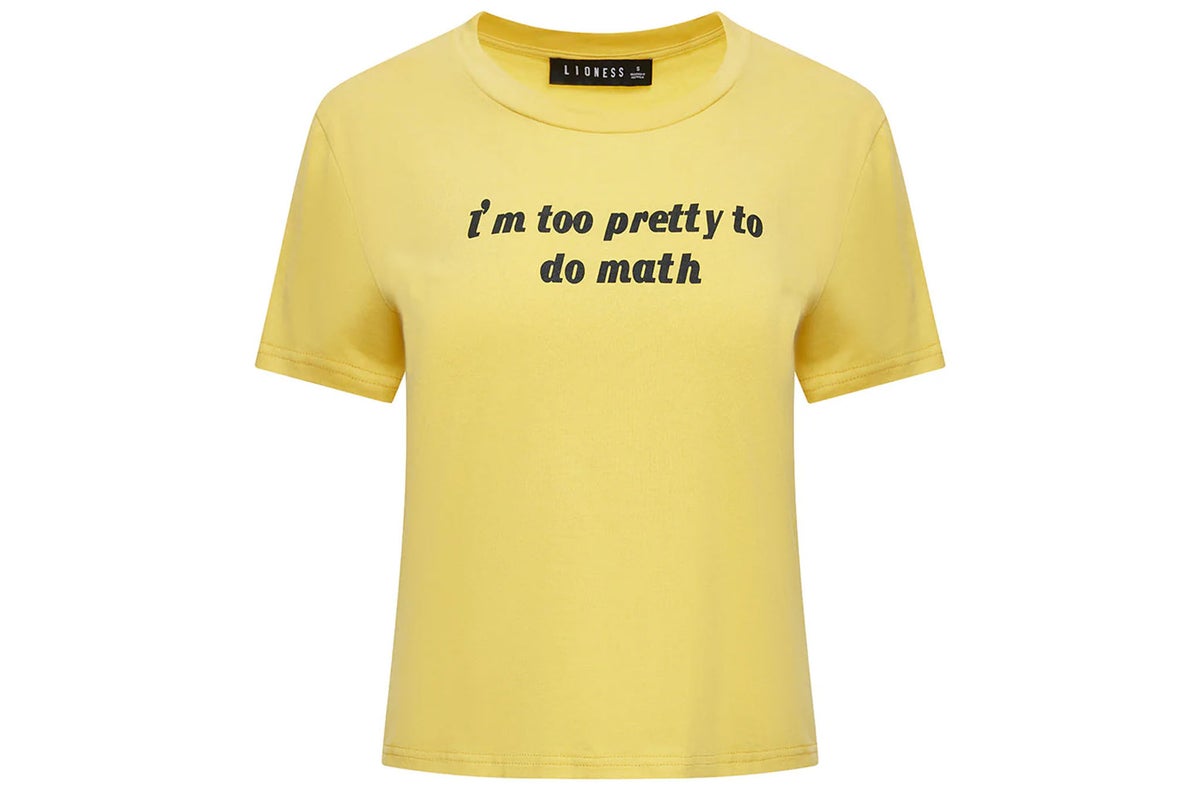
Slogan clothing always triggers a massive reaction. You see it on the street, online, and suddenly it is all over the evening news. Australia has a long history of losing its collective mind over a few words printed on cheap cotton.
The Anatomy of a Retail Controversy
It usually starts with a single photo posted to social media. Someone spots a shirt on a rack at a major retail chain or a boutique market stall. They take a picture, add an outraged caption, and hit post. Within hours, the comment section becomes an absolute battleground. Meanwhile, you can find other events here: The Woman Who Traded Her Fortune For A Forest.
Retailers often completely misjudge local sentiment. What passes for edgy humor or a harmless statement in one country falls flat elsewhere. The public reaction is swift and usually follows a predictable pattern. First comes the online anger, followed by mainstream media coverage, and finally, the inevitable corporate apology and product recall.
Why We Care So Much About What People Wear
Clothing is never just clothing. It tells the world exactly who you are, or at least, who you want people to think you are. When a brand prints a highly charged or offensive statement on a shirt, they are commercializing a viewpoint. That is where the real friction lies. To understand the bigger picture, check out the recent analysis by Apartment Therapy.
People feel that allowing these items on shelves normalizes harmful ideas. On the flip side, critics of the outrage machine argue that everyone has become too sensitive. They claim that a shirt cannot actually hurt anyone.
How Brands Mess Up
Most of these controversies happen because of a total breakdown in the approval process. Large corporations buy designs in bulk from global suppliers. Local managers do not always look closely at what is actually arriving in the shipping containers until it is already on display.
If you run a clothing brand, you need a strict vetting process. Do not rely on automated systems to judge what is culturally appropriate for your specific market. Talk to real people. Test the reaction of a small group before ordering thousands of units. If a design feels risky or relies heavily on shock value, it is probably going to backfire.
Pulling an item after a public backlash costs a lot of money and damages your reputation. It is much smarter to catch the problem before the stock ever leaves the warehouse. Listen to customer feedback early and be ready to adapt quickly when a design misses the mark.