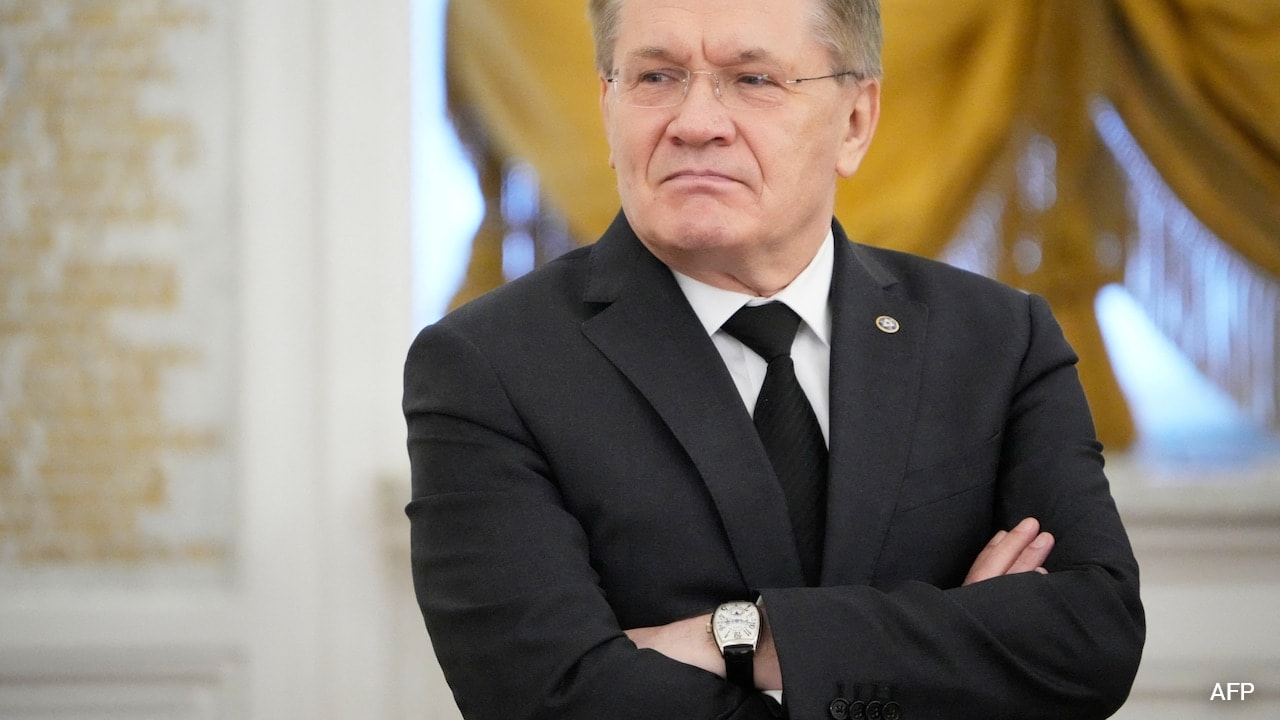
The targeted killing of Alexander Yakovlev, chief engineer of the occupied Zaporizhzhia Nuclear Power Plant, represents a dangerous transition in the battle for Europe's largest atomic facility. Russia’s state nuclear agency, Rosatom, announced that a Ukrainian drone targeted Yakovlev's official Toyota Camry on the boundary between the plant’s industrial perimeter and the city of Enerhodar. Both Yakovlev and his driver, Dmitry Filippov, died in the strike.
While frontlines remain relatively static, a silent, targeted campaign is unfolding behind the scenes. Russia has spent years trying to fully integrate the Zaporizhzhia facility into its domestic power grid, while Ukrainian intelligence has systematically targeted those facilitating this transition. The death of a chief engineer is not a random casualty of war. It is a precise strike on the administrative and technical apparatus keeping the occupied plant functional. Don't miss our recent article on this related article.
The Cold Math of the Technical War
To understand why a chief nuclear engineer becomes a high-value military target, one must understand the unique grid integration struggle occurring in southeastern Ukraine. The Zaporizhzhia plant has six VVER-1000 pressurized water reactors. They have been kept in a state of cold shutdown for safety, but maintaining a nuclear plant—even one that is not actively producing electricity—requires an immense amount of continuous engineering oversight.
- Cooling Systems: The reactors require continuous electricity to run cooling pumps. If these pumps fail, residual decay heat can trigger a fuel meltdown.
- Grid Isolation: Ukraine has fought to keep the station connected to its own national energy grid. Russia, conversely, has attempted to re-route the plant's output and internal distribution systems toward occupied Crimea and the Russian mainland.
- Engineering Personnel: This technical tug-of-war cannot be executed by soldiers. It requires highly specialized nuclear engineers who understand the intricate, Soviet-designed telemetry of the VVER-1000 systems.
When Russia took control of the plant, they faced a critical shortage of qualified personnel. Most Ukrainian staff refused to sign contracts with Rosatom. By targeting key administrative and engineering figures, Ukrainian forces disrupt the operational handoff, making it incredibly difficult for Moscow to stabilize the facility under its own regulatory framework. To read more about the background here, The New York Times provides an informative breakdown.
The Escalating Campaign Against Collaborators
Yakovlev’s death is part of a broader pattern of targeted assassinations in Enerhodar. Over the past two years, the nature of these attacks has shifted from sporadic sabotage to systematic elimination.
| Date | Target | Position / Role | Method |
|---|---|---|---|
| October 2024 | Andrei Korotkiy | Security Department Official | Car Bomb |
| June 2026 | Unnamed Repair Worker | Centralized Repair Workshop | Drone Strike |
| July 2026 | Alexander Yakovlev | Chief Engineer | Targeted Drone Strike |
Ukrainian military intelligence has previously labeled personnel who sign contracts with Rosatom as collaborators and war criminals. From Kyiv's perspective, anyone assisting Russia in operating or legally absorbing the stolen plant is actively participating in the occupation.
This creates a terrifying working environment for the remaining staff. Engineers are caught between the Russian Federal Security Service (FSB), which demands compliance and signs of loyalty, and Ukrainian reconnaissance drones overhead, which view any high-level employee as a legitimate target.
The Geopolitical Fallout and IAEA Impotence
In the immediate aftermath of the attack, Rosatom Director General Alexey Likhachev demanded a "prompt, concrete, and clear reaction" from the International Atomic Energy Agency (IAEA). However, the IAEA occupies a deeply compromised position.
The agency maintains a permanent monitoring mission at the plant, yet its observers are heavily restricted by Russian military forces on the ground. IAEA Director General Rafael Grossi has consistently warned of the extreme vulnerability of the plant's physical infrastructure, but the agency has no enforcement mechanism to halt targeted drone strikes or stop the militarization of the site.
By executing high-profile drone strikes so close to the facility's perimeter, Ukraine demonstrates that no one inside the Russian administrative structure is safe. It is a high-risk gamble. While the strikes are highly precise, operating armed drones near a nuclear facility carries the permanent, catastrophic risk of an errant strike hitting critical safety infrastructure, such as diesel backup generators or spent fuel storage facilities.
The assassination of Alexander Yakovlev confirms that the battle for Zaporizhzhia is no longer just about artillery duels across the Dnipro River. It is a direct war of attrition against the specialized human intellect required to run the facility. As technical leaders are removed from the equation, the margin of error at Europe's most volatile nuclear site grows dangerously thin.