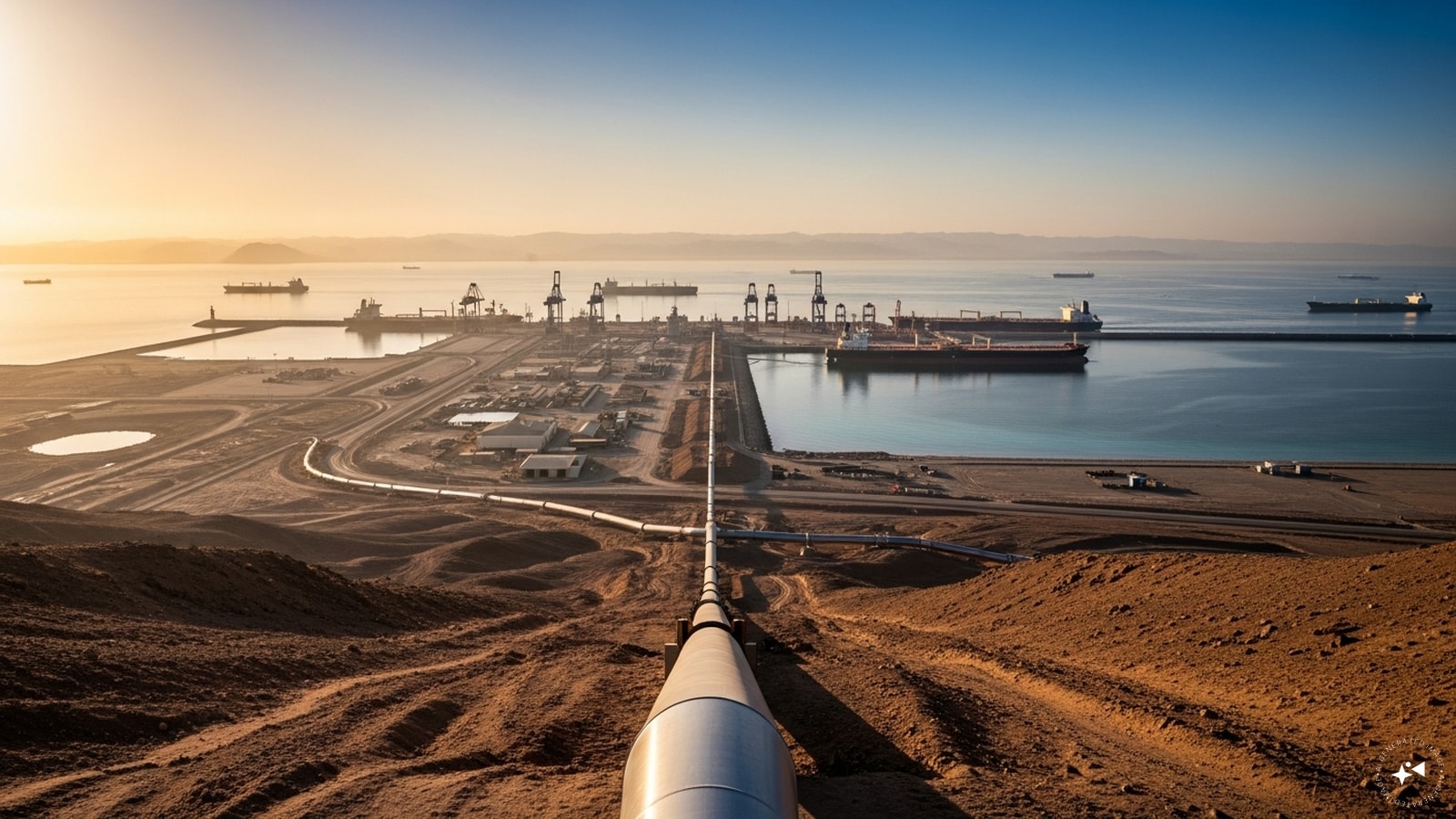
The Strait of Hormuz is essentially a choke point that controls the pulse of Asian economies. Right now, that pulse is erratic. With the Iran conflict throttling crude oil flows, countries from India to Vietnam are facing a brutal reality: relying on a single, volatile region for energy is a recipe for disaster. The response isn't just a pivot to renewables like solar or wind; it’s a desperate, high-stakes scramble toward biofuels.
Governments across Asia are betting that ethanol—distilled from sugarcane, corn, and even rice—can act as a shield against the shockwaves of a distant war. It's a move born of necessity, not just environmentalism. When your fuel bills skyrocket because of drone strikes thousands of miles away, "energy independence" stops being a buzzword and starts being a survival strategy. You might also find this similar article useful: The Law is for the Foot Soldiers.
The India blueprint for fuel survival
India isn't waiting around for the Middle East to stabilize. It can't afford to. The country imports nearly 90% of its crude oil, which makes every cent increase in global prices feel like a punch to the gut. By 2025, India hit a national milestone by rolling out a 20% ethanol blend (E20) at its pumps, smashing its own deadline by five years.
But E20 was just the warmup. As discussed in recent reports by Al Jazeera, the results are worth noting.
The transport ministry is now pushing for vehicles that run on E85 or even 100% ethanol. I’ve seen this kind of aggressive policy before, and it sends a massive signal to car manufacturers: adapt or get left behind. In 2025 alone, the E20 mandate cut crude oil imports by about 2.5%. That might sound small, but in an economy the size of India’s, that’s billions of dollars staying home instead of flowing to oil-rich regimes.
Southeast Asia is jumping on the bandwagon
It’s not just a South Asian phenomenon. Southeast Asia is following the same playbook, though with different feedstocks.
- Indonesia: They’re moving from B40 to a B50 biodiesel mandate by late 2026. They're basically using their massive palm oil reserves to ensure their trucks and buses don't stop moving if the oil tankers do.
- Vietnam: Starting June 1, 2026, the country is mandating E10 nationwide. They’re scrapping old energy roadmaps in favor of immediate action to stop the bleeding from high import costs.
- Thailand: They’ve extended subsidies on biofuels until September 2026. The goal is to make E20 the standard gasoline grade and eventually phase out the unblended stuff entirely.
This isn't some coordinated green movement. It's a regional realization that fossil fuels are a liability during wartime.
The mileage trade off nobody likes
Let’s be honest for a second. Biofuels aren't a perfect fix, and if you talk to any driver in Chennai or Jakarta, they'll tell you why. Ethanol is less energy-dense than gasoline. That’s a fancy way of saying your car won't go as far on a gallon of E20 as it would on pure petrol.
Drivers are seeing their mileage drop, which feels like a double tax when fuel prices are already high. You’re paying more at the pump for a product that performs worse. It’s a bitter pill to swallow, and it’s fueling a lot of local resentment.
There’s also the "food vs. fuel" debate that won't go away. In India, roughly 70% of ethanol comes from food crops like sugarcane and rice. When you’re using 3,000 to 10,000 liters of water to produce just one liter of ethanol, you're trading energy security for water and food security. In a region where groundwater is already disappearing, that’s a dangerous trade.
Why the transition is slower than it looks
If you think Asia will be oil-free by next year, you’re dreaming. The infrastructure isn't there yet. Converting an entire nation's fleet to handle high-ethanol blends takes more than a government decree. Older engines can’t handle the corrosive nature of high ethanol concentrations without modifications.
Supply chains are also a mess. Indonesia had to push back some of its targets because it simply couldn't produce enough bioethanol to meet its own mandates. It turns out that growing enough crops to fuel millions of cars is a lot harder than just pumping oil out of the ground.
Then there’s the fiscal side. Governments are dumping billions into subsidies to keep biofuel prices competitive with oil. As those funds dry up, the mandates become harder to maintain. It’s a balancing act between keeping the economy moving and not going broke while doing it.
The move toward second generation fuels
The real "next step" isn't just planting more corn. It’s moving to what experts call second-generation (2G) biofuels. These are made from agricultural waste, municipal trash, and used cooking oils—stuff we don't eat.
Vietnam and Malaysia are already looking at these pathways. By using waste instead of food, you solve the "food vs. fuel" problem and reduce the insane water footprint. But 2G technology is expensive and requires massive biorefineries that don't exist in large numbers yet.
If you're looking to protect your own interests in this energy shift, stop looking at just the fuel pump and start looking at the tech behind the scenes.
- Check your vehicle: If you're in a country moving to E20 or higher, find out if your car's fuel system is compatible. High ethanol can eat through seals and gaskets in older models.
- Watch the feedstock: If a country relies heavily on one crop (like palm oil in Indonesia or sugar in India), keep an eye on crop reports. A bad harvest now means a fuel crisis later.
- Invest in efficiency: Biofuels are a bridge, not the destination. The real winners in the long term are going to be those who diversify into electric vehicles or high-efficiency hybrids that don't care as much about the ethanol blend.
The Iran war didn't create the biofuel trend, but it definitely set it on fire. Asia is tired of being the first and hardest hit whenever things go sideways in the Middle East. The move to crops might be messy, expensive, and technically difficult, but for many nations, it's the only way to keep the lights on and the wheels turning.