Every few months, a breathless headline crosses the ticker about New Delhi, Beijing, or Seoul eyeing polar shortcuts to slash transit times to Europe. The lazy consensus writes itself. Ice melts, shipping companies bypass Suez, global trade gets a hyper-efficient makeover, and Asia connects directly to Western ports over the top of the world.
It sounds tidy. It reads well in quarterly reports. It is also completely detached from maritime reality. Don't forget to check out our recent coverage on this related article.
I have spent the better part of two decades watching corporate boards and state planners throw capital at geography they do not understand, driven by cartographic optimism rather than operational grit. I have seen logistics budgets incinerated chasing short-term PR wins while ignoring the brutal physics of the high latitudes.
The narrative that Asian economies are about to routinely pivot their cargo fleets through northern ice is a fairy tale told by people who have never had to manage a salvage operation in sub-zero pack ice. To read more about the context of this, The Motley Fool provides an in-depth breakdown.
The Geography Trap And The Insurance Nightmare
Look at a flat map and the Northern Sea Route looks like a straight line from Yokohama or Shanghai to Rotterdam. Flat maps are liars.
Maritime shipping is not about distance. It is about predictability, vessel utilization, and cost predictability. The moment you push a standard container ship or bulk carrier into northern waters, the math falls apart.
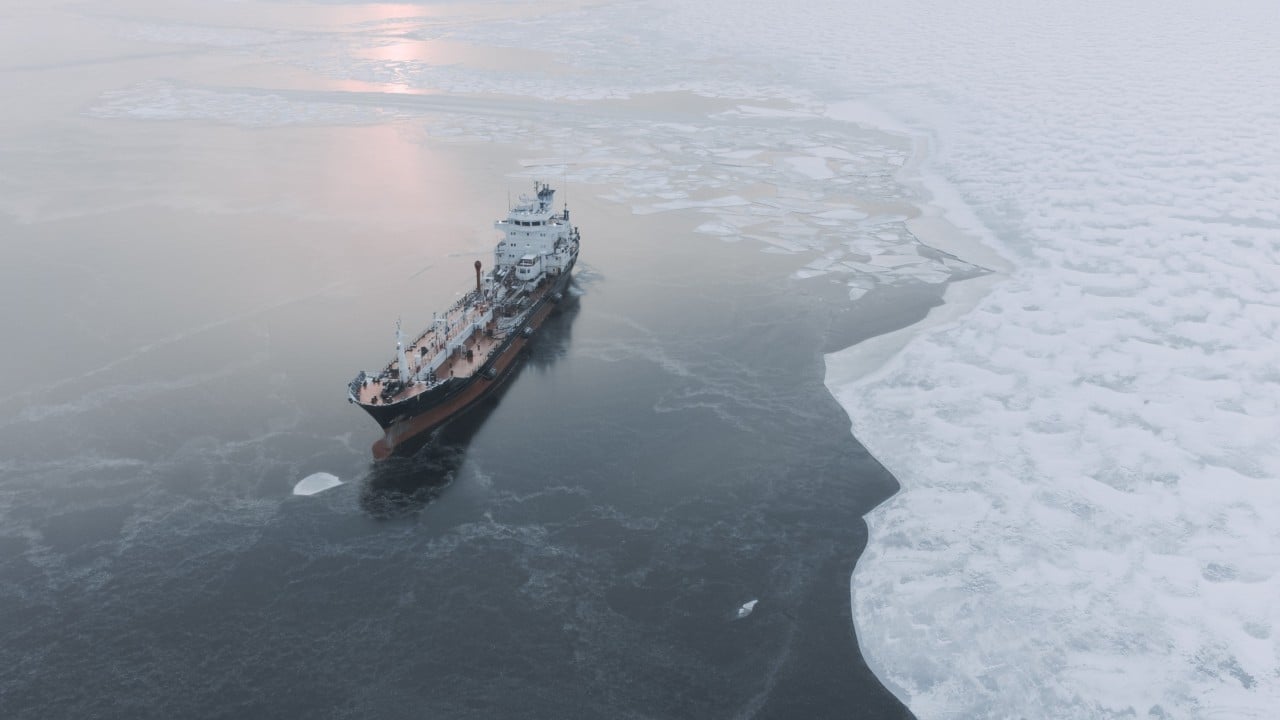
First, consider the draft and ice class constraints. Commercial vessels built for deep-water routes cannot handle drifting multi-year ice without catastrophic hull damage. Upgrading a fleet to Polar Class specifications requires heavy structural reinforcement, specialized steel, and specialized propulsion systems. That drives up capital expenditure before the ship even leaves the dry dock.
Second, look at the insurance premiums. Marine underwriters are not romantic explorers; they are cold-blooded risk assessors. If a vessel gets trapped in the Vilkitsky Strait or wanders into heavy floes off the Taymyr Peninsula, recovery operations take weeks. Icebreaker escorts are mandatory, expensive, and scarce. Russia controls the vital infrastructure along the Siberian coast, meaning transit fees and mandatory escort costs wipe out any marginal fuel savings you might eke out by cutting a few hundred nautical miles off the voyage.
When you factor in port infrastructure, or the complete lack thereof along vast stretches of the Siberian coastline, the economic argument collapses. If a crew member has a medical emergency halfway through the passage, you cannot simply pull into a local marina. You are hours or days away from any meaningful medical infrastructure, compounding liability to staggering levels.
The Seasonal Mirage
Another favorite talking point of the polar shipping cheerleaders is climate change. The ice is retreating, they say. The passage is opening up for longer windows each year.
True, the summer melt season has lengthened. But a longer melt season does not mean a reliable, year-round commercial highway.
Even in August and September, weather windows remain notoriously volatile. A sudden polar vortex can pack drift ice into narrow straits overnight, trapping unreinforced vessels with zero warning. No major supply chain manager running a Just-In-Time manufacturing inventory can afford to stake their operational continuity on a route that might close abruptly because the wind shifted two degrees to the north.
Reliability beats speed every single day of the week. Shippers prefer a longer, predictable route through the Malacca Strait and the Suez Canal—even with geopolitical friction—over a northern route where a sudden freeze can trap millions of dollars in cargo for weeks.
The Geopolitical Iron Cage
Let us address the elephant in the room that the mainstream pundits consistently miss. The most viable geographic stretches of the Arctic routes run directly through Russia's Exclusive Economic Zone.
In a world defined by intensifying sanctions, shifting alliances, and regional conflict, why would any major Asian economy tie its critical trade arteries to Moscow's administrative and military whims? India and China have distinct strategic ambitions. Neither wants to trade one set of maritime chokepoints for another, especially one regulated by a single sovereign state that holds a monopoly on icebreaker deployment, pilotage, and emergency response services.
Relying on the Northern Sea Route means accepting Russian jurisdiction, mandatory pilot fees, and political exposure that can shift with a single diplomatic telegram. Diversification of supply chains is the dominant corporate strategy of the decade. Handing control of your northern maritime flank to a heavily sanctioned state is the exact opposite of diversification. It is a strategic trap.
What To Do Instead
Stop reading press releases put out by state-backed shipping agencies looking for subsidy approval. Look at where actual logistics capital is deploying.
Smart operators are investing in port automation, regional hub redundancy, and inland rail corridors like the International North-South Transport Corridor. They are building resilience against traditional choke points through operational efficiency, not by gambling multi-million dollar assets against polar pack ice.
The Arctic shipping dream belongs in science fiction, not in a serious balance sheet. Leave the ice to the research vessels and the icebreakers. Let your competitors waste their capital chasing map lines that vanish when winter arrives.